Journalism of Courage



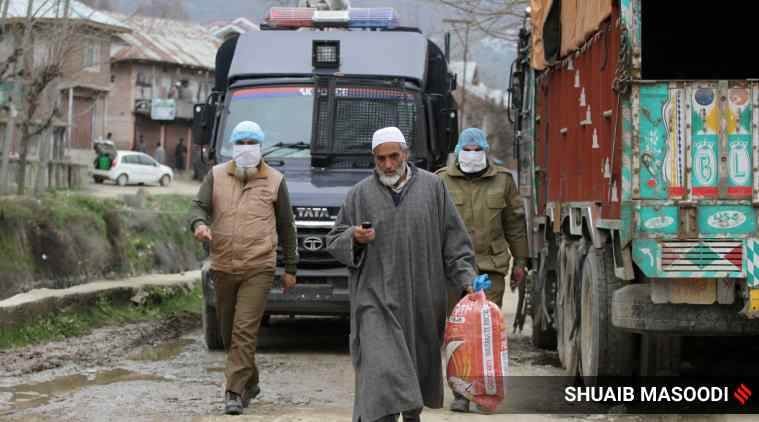 The document will be critical in securing jobs in the Union territory. (File Photo)
The Jammu and Kashmir administration on Monday issued a notification defining the rules for issuing domicile certificates in the Union territory.
The ‘J&K Grant of Domicile Certificate (Procedure) Rules 2020’ will provide the basis for issuing domicile certificates to those who meet the conditions as stated in the Centre’s gazette notification that introduced the domicile clause through an amendment to the Jammu And Kashmir Civil Services (Decentralisation And Recruitment) Act, 2010.
Monday’s notification comes with a clause of an extraordinary penalty of Rs 50,000 that the “appellate authority shall recover from the salary of the competent authority” in case of delay in issuing the domicile certificate beyond the stipulated time of seven days.
The grant of the certificate will be subject to “such enquiry as the competent authority may deem fit” and on the basis of documents furnished by the individual in his appeal for the certificate.
If the application is processed within 15 days, the appellate authority — Deputy Commissioner, Relief and Rehabilitation Commissioner, Financial Commissioner Revenue or Secretary GAD — will direct the competent authority — tehsildars — to issue the certificate within seven days, failing which the penalty will come into force.
On March 31, the Centre had issued the Jammu and Kashmir Reorganisation (Adaptation of State Laws) Order 2020, under which it defined domicile as any person “who has resided for a period of 15 years in the UT of J&K or has studied for a period of seven years and appeared in class 10th/12th examination in an educational institution located in the UT of J&K”.
The document will be critical in securing jobs in the Union territory. “As a result of the new rules and procedure, West Pakistan Refugees (WPRs), Safai Karamcharis and children of women married outside Jammu and Kashmir who were earlier deprived shall also be now eligible for Domicile Certificate,” UT spokesperson Rohit Kansal told the media in Jammu.

 2 min read