Journalism of Courage



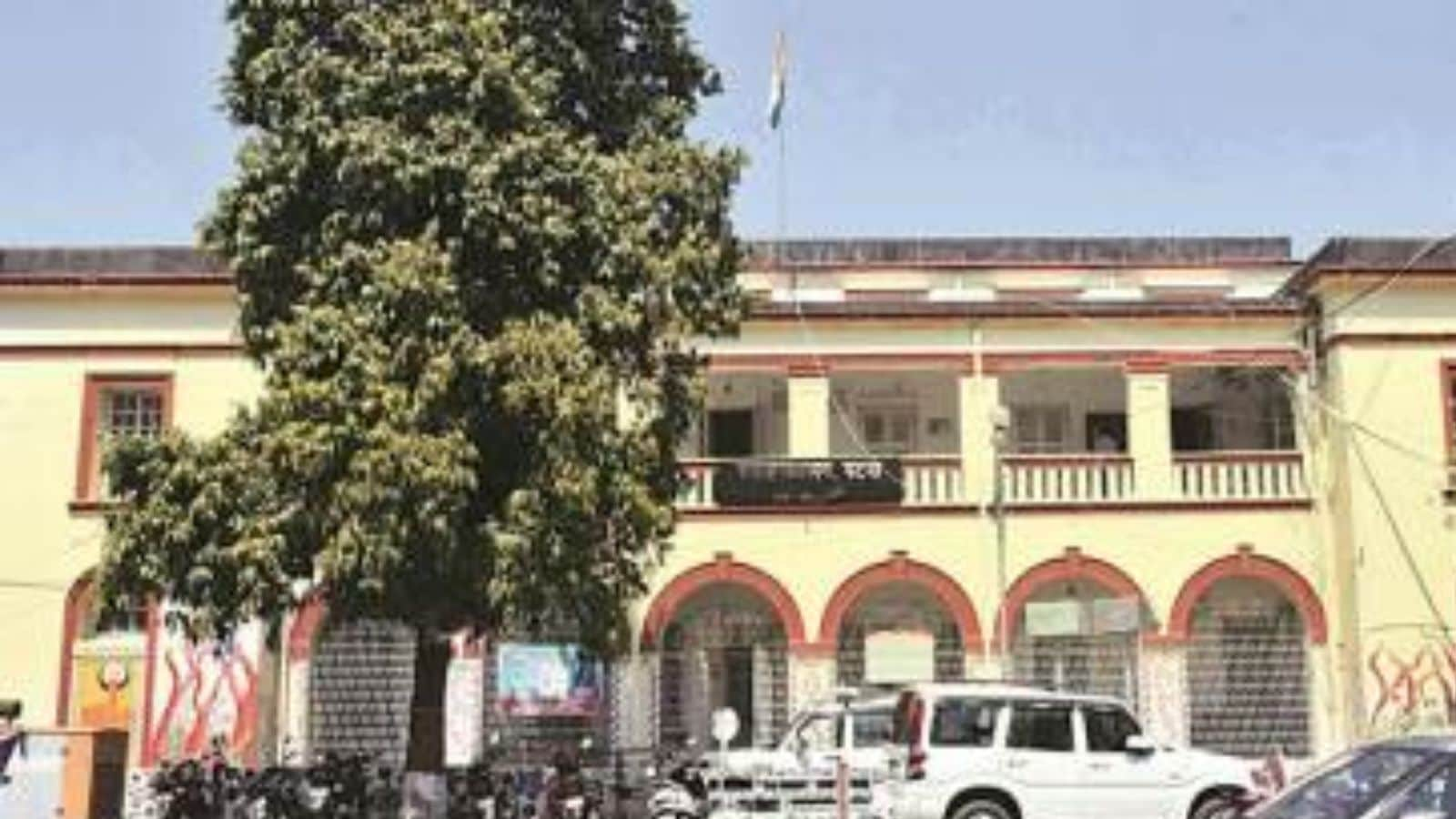 Out of 1,110 retrofitted buildings, CPWD uploaded details of 865 buildings and of the 185 buildings selected for audit, the department provided details of 134 without any photographs of the accessibility features. (Representational/File Photo)
 The Comptroller and Auditor General (CAG) has found in a draft report that the Central Public Works Department (CPWD) did not conduct pre-access audits in around 80 per cent of the old Central government buildings examined by it, before retrofitting them to make them accessible to persons with disabilities (PwDs).
Under the Union government’s Accessible India Campaign, which was launched in 2015, at least 50 per cent of all government buildings in the national capital and all state capitals were to be made fully accessible to persons with disabilities by June 2022.
So far, the CPWD, which maintains Central government buildings across the country, has retrofitted 1,100 buildings, according to government data.
Another target of the campaign was to complete accessibility audits of at least 25-50 most important government buildings.
In its draft compliance audit report on the implementation of PwD-friendly features in public buildings by the CPWD, the CAG looked at the retrofitting projects in 170 old buildings.
The draft report has found that “pre-access audit was carried out in respect of only 34 buildings out of 170.” The report also flagged the “lack of planning for monitoring of expenditure” on the retrofitting scheme. It also highlights that the post-access audit, that is the audit of accessibility after the retrofitting project, was not conducted in 60 out of the 170 old buildings and 23 out of 27 new buildings.
The report, which is yet to be finalised and tabled in Parliament, also flagged deficiencies in the data reported by the CPWD. Out of 1,110 retrofitted buildings, the CPWD uploaded details of 865 buildings and of the 185 buildings selected for audit, the department provided details of 134 without any photographs of the accessibility features.
Among the buildings covered in the audit are National Museum in Delhi, Lal Bahadur Shastri National Academy of Administration in Mussoorie, Central Government Health Scheme (CGHS) dispensaries across Delhi, office buildings of the Income Tax Department, and IITs.
When reached for comment, the CPWD said its engineers, who are trained in its training institute by accessibility experts, carried out the pre-access audits in those buildings that were not examined by auditors. It said estimates of the retrofitting projects were prepared after site surveys as per the harmonised guidelines on accessibility issued by the Ministry of Housing and Urban Affairs (MoHUA).
“Hence, it is presumed that in-house site survey, i.e. pre access audit of the buildings, was carried out by the CPWD engineers. Some features of the guidelines could not be complied with due to space constraints and due to those being structurally not feasible,” the CPWD said in its reply.
It added the post-audit of the remaining buildings was being carried out by the CPWD and field units had been directed to comply with the CAG’s findings wherever structurally/technically feasible.
“The MoHUA has issued the harmonised guidelines and standards for universal accessibility in India 2016 and 2021. The CPWD has taken up the work to retrofit existing buildings as per these harmonised guidelines.
These harmonised guidelines have been made mandatory and are being complied with in all new buildings being constructed by the CPWD. The field units of the CPWD have been directed to install a suggestion box in the reception of the building, so that changes can be made as per these suggestions,” the CPWD reply stated.
The draft report had been sent to the CPWD for its comments by the CAG in October last year, to which the CPWD replied in December.

 4 min read