Journalism of Courage



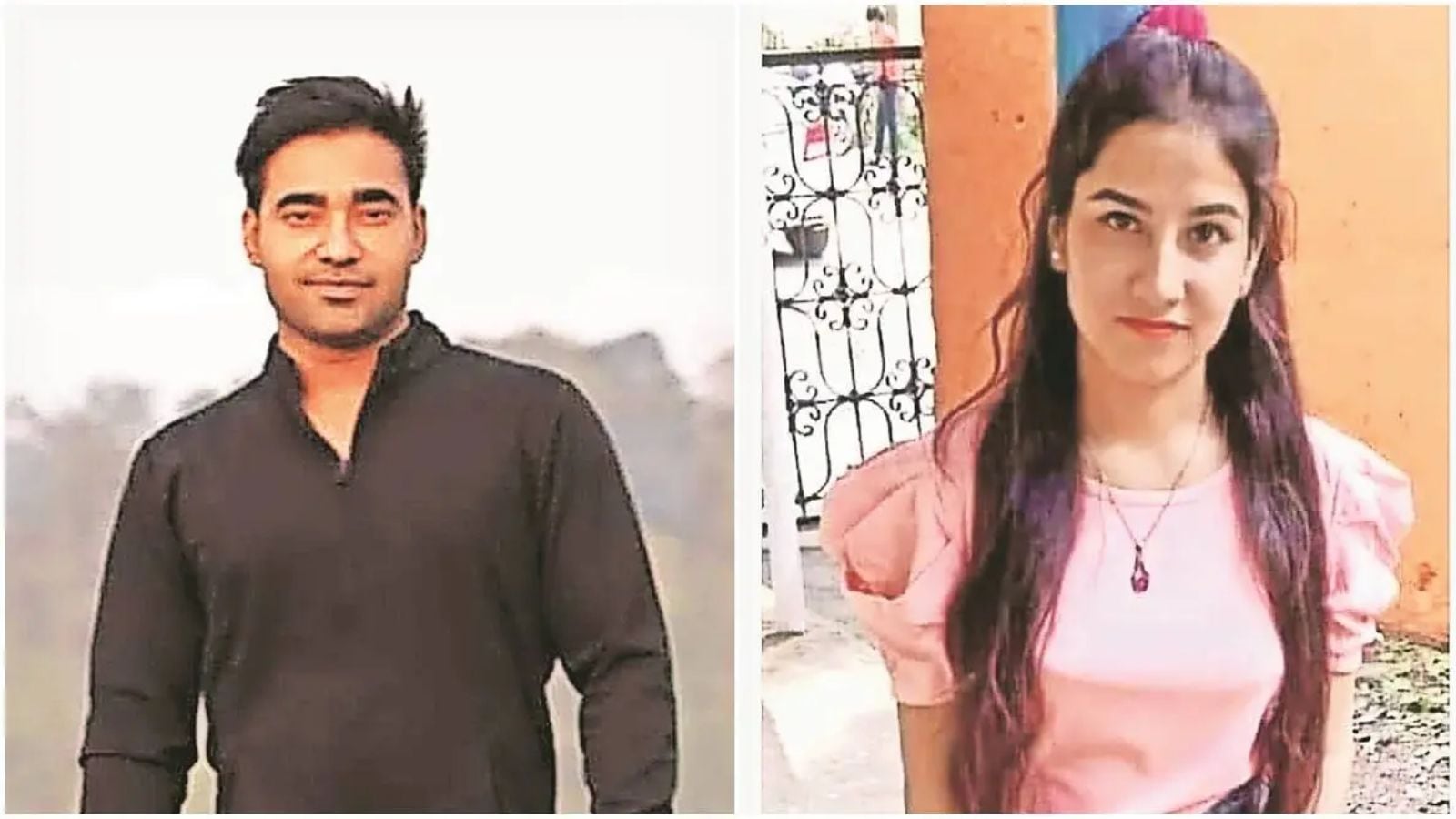 The prosecution said that on the evening of September 18, 2022, witnesses saw and heard Ankita crying over the phone, saying, “Please take me away from here.” She had also been heard asking staff to take her bag to the road.
The statements of 47 witnesses and a series of WhatsApp chats were among the key pieces of evidence that led to the conviction of Pulkit Arya, son of former BJP leader Vinod Arya, and two others for the 2022 murder of 19-year-old Ankita Bhandari.
A court in Uttarakhand’s Pauri Garhwal district Friday sentenced Pulkit Arya and his two aides, Saurabh Bhaskar and Ankit Gupta, to life imprisonment.
While the prosecution said Ankita was killed by the accused while she was working as a receptionist at the resort run by Pulkit, the defence maintained throughout the trial that she died by suicide. The defence claimed she was depressed because she wanted to leave her home and marry a friend.
Ankita’s body was recovered from a canal in Rishikesh on September 24, 2022. She was reported missing for at least six days before her body was found.
The prosecution said that WhatsApp chats from the time she came to work at the resort until the date of the incident had revealed that she was disturbed by the accused’s behaviour and “their obscene proposals” for extra services, leading to her wanting to leave the resort. In one of the chats, she had written, “I am poor, but will I sell myself for Rs 10,000?”
A medical team that inspected the scene and examined injuries on her body opined that she did not fall into the canal by accident. The team said she entered the water with sudden acceleration, suggesting that she was pushed with force.
The prosecution said that on the evening of September 18, 2022, witnesses saw and heard Ankita crying over the phone, saying, “Please take me away from here.” She had also been heard asking staff to take her bag to the road.
Later, the witnesses saw her going out of the resort on a motorcycle with the accused persons. She was last seen in CCTV footage from the barrage at Pashulok, riding pillion behind Pulkit Arya on a scooter, according to the prosecution. The other two accused, Arya’s employees Saurabh Bhaskar and Ankit Gupta, were following them on a motorcycle.
In the absence of a direct eyewitness to the crime, the court cited the “last seen theory” in the case. “It is settled law that to sustain a conviction on circumstantial evidence, the chain of circumstances has to be so complete that the finger of accusation unerringly points towards the guilt of the accused and rules out innocence… It is the quality of evidence and not the number that matters. A criminal trial is not a race in which the winner is determined with reference to the length run by the prosecution or the defence. It is also not a numbers game where the number of circumstances would determine guilt or otherwise,” the court said, citing a verdict by the Delhi High Court in a 2009 case.

 3 min read