


© IE Online Media Services Pvt Ltd
Tags:


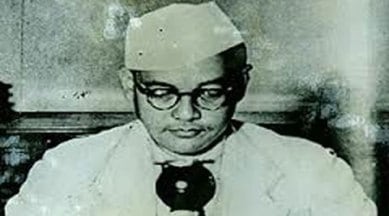
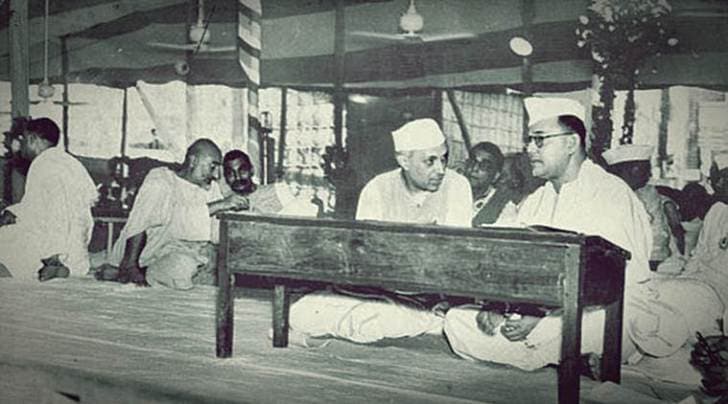
Will the truth about Gumnami Baba come out in the open on Friday when classified files of the correspondence relating to Netaji Subhas Chandra Bose will be released to the public domain? Or will these documents, dating from 1937 to Independence, only tantalise a nation whose attention remains riveted on this inadvertently mysterious figure of the freedom struggle?
Both historians and conspiracy theorists will be looking out for communications from two groups of people: those who feared that Netaji was dead, and those who feared that he wasn’t. This knowledge will deepen an understanding of the politics of the time but that is the only certainty about the 64 files being released.


Such a decisive turn of affairs seems unlikely, and the mystery surrounding Netaji’s passing will probably persist.
[related-post]
And it should be allowed to. Nations need contemporary mysteries as much as they need founding myths. The national self-image is built out of such narratives. The government has helped enormously by keeping the Netaji files under wraps and hinting darkly at the international implications of disclosure, though West Bengal chief minister Mamata Banerjee seems to be bent on ruining it all now. The general air of secrecy created Gumnami Baba, a mysterious half-ascetic figure who has left his mark in the unlikeliest places — from akharas and ashrams to hideouts in Garhwal and Kumaon.
This shadowy Elvis-like figure has been sighted in foreign parts, too, especially the former USSR. Even today, almost 70 years since the plane crash in Taiwan which started it all, the Indian public remains divided into those who wish Netaji were alive and those who are sure that he is dead. It does not really matter which group is right. So long as Netaji lives in the popular imagination, he cannot possibly die.


