2 min read
Click here to join Express Pune WhatsApp channel and get a curated list of our stories
© The Indian Express Pvt Ltd



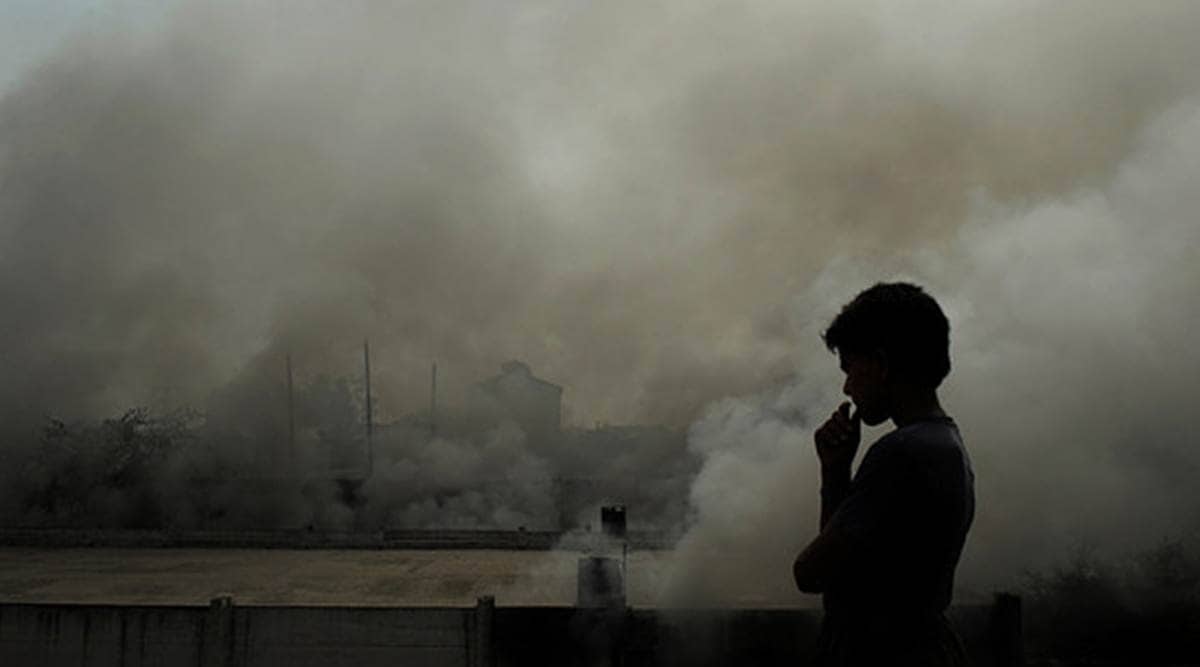 An early estimate from the Central Pollution Control Board and IIT Delhi shows that there’s a 20 per cent reduction in PM2.5 levels in Delhi in the last four years. (Representational Image )
“Air pollution is the fourth leading cause of mortality and contributes to 12 per cent of global deaths after tobacco and dietary factors, but in South Asia, air pollution is the highest risk to public health compared to the global factors,” Health Effects Institute President Dr Daniel Greenbaum at a webinar titled “Opportunities for Addressing Air Pollution in South Asia”.
The session was organised by Delhi-based climate communications initiative, Climate Trends, and regional intergovernmental knowledge centre, ICIMOD, to understand the challenge that air pollution poses for the developing economies of South Asia.

Professor S N Tripathi, head of civil engineering department at Indian Institute of Technology, Kanpur, said, “While Kathmandu and the entire Gangetic plains have a valley effect, making the odds against them, cities in South Asia are not only impacted by their topography and meteorological factors. A comparative analysis between Kanpur, which is a representative site of the Indo-Gangetic plains, and Dhaka shows that even if PM2.5 levels in Dhaka are lesser in comparison to Kanpur, the lead (Pb) concentration is far higher and exceeds even the NOx values for a good part of the year in Dhaka. Lead is a carcinogen generated from solid fuels used in household cooking, while nitrogen dioxide emissions are mostly attributed to transport.”
“An early estimate from the Central Pollution Control Board and IIT Delhi shows that there’s a 20 per cent reduction in PM2.5 levels in Delhi in the last four years due to policy measures taken in the National Capital Region, like switching to cleaner BSVI fuel, installing CEMS monitoring across all industries, cleaner zigzag technology in brick kilns, eastern and western peripheral highways which bypass heavy traffic from city limits, and happy seeders which addressed the crop residue burning to an extent,” he added.
– Stay updated with the latest Pune news. Follow Express Pune on Twitter here and on Facebook here. You can also join our Express Pune Telegram channel here.