Journalism of Courage



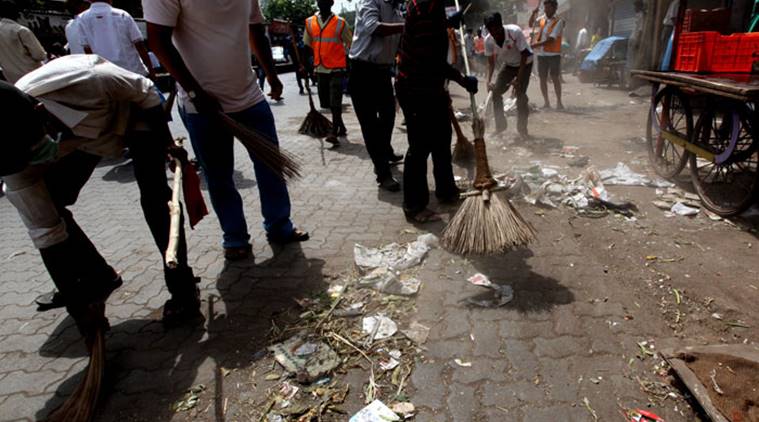 The segregation, collection and transportation of waste should be done scientifically, and it has to be a permanent system that should be functional without depending on any person, stated the directive.
After declaring its urban areas open defecation free (ODF) with much fanfare on October 1 last year, the state government has now put the segregation and processing of waste on the top of its priority list, and designated August as ‘Swachh August Kranti’ for the purpose.
In directives sent to all local bodies, the state government said, “The main thrust of solid waste management in urban areas is segregation of waste and scientific processing. It has been observed that the waste does not have any value unless it is segregated. The plants processing mixed waste have failed so far… it is necessary to completely segregate the waste”.
Proper awareness among local residents and the practice of segregation at source was needed, and that’s why the state government was planning to implement the ‘Swachh August Kranti’ programme through this month, it said.
Under the programme, urban local bodies have to ensure that 80 per cent of the waste collected is segregated at the source, while 100 per cent of its is collected and transported, so that it can be processed scientifically.
While the processing of wet waste has to be done effectively, the dry waste should be recycled. The segregation, collection and transportation of waste should be done scientifically, and it has to be a permanent system that should be functional without depending on any person, stated the directive.
The civic bodies will have to ensure that door-to-door collection and transportation of waste is done by properly planning the movement of garbage vehicles in their jurisdiction, and that dry waste and wet waste is transported separately. The state government has also asked civic staff to educate local residents about the segregation of waste at source.
The head of the civic body and the administrative official in-charge would be responsible for implementing the programme and civic bodies that effectively implement it would be granted funds for further work, stated the state directive.
The civic body has to submit a daily report to the district administration officer, who will forward it to the state government. District officials will also visit the civic bodies to check the progress of the programme.
In the Swachh Sarvekshan for 2018, a few cities from the state had received good ratings due to the efforts put in by their civic bodies to segregate, collect and transport waste, while some others had received poor rating.

 3 min read