3 min read

Click here to join Express Pune WhatsApp channel and get a curated list of our stories
© The Indian Express Pvt Ltd



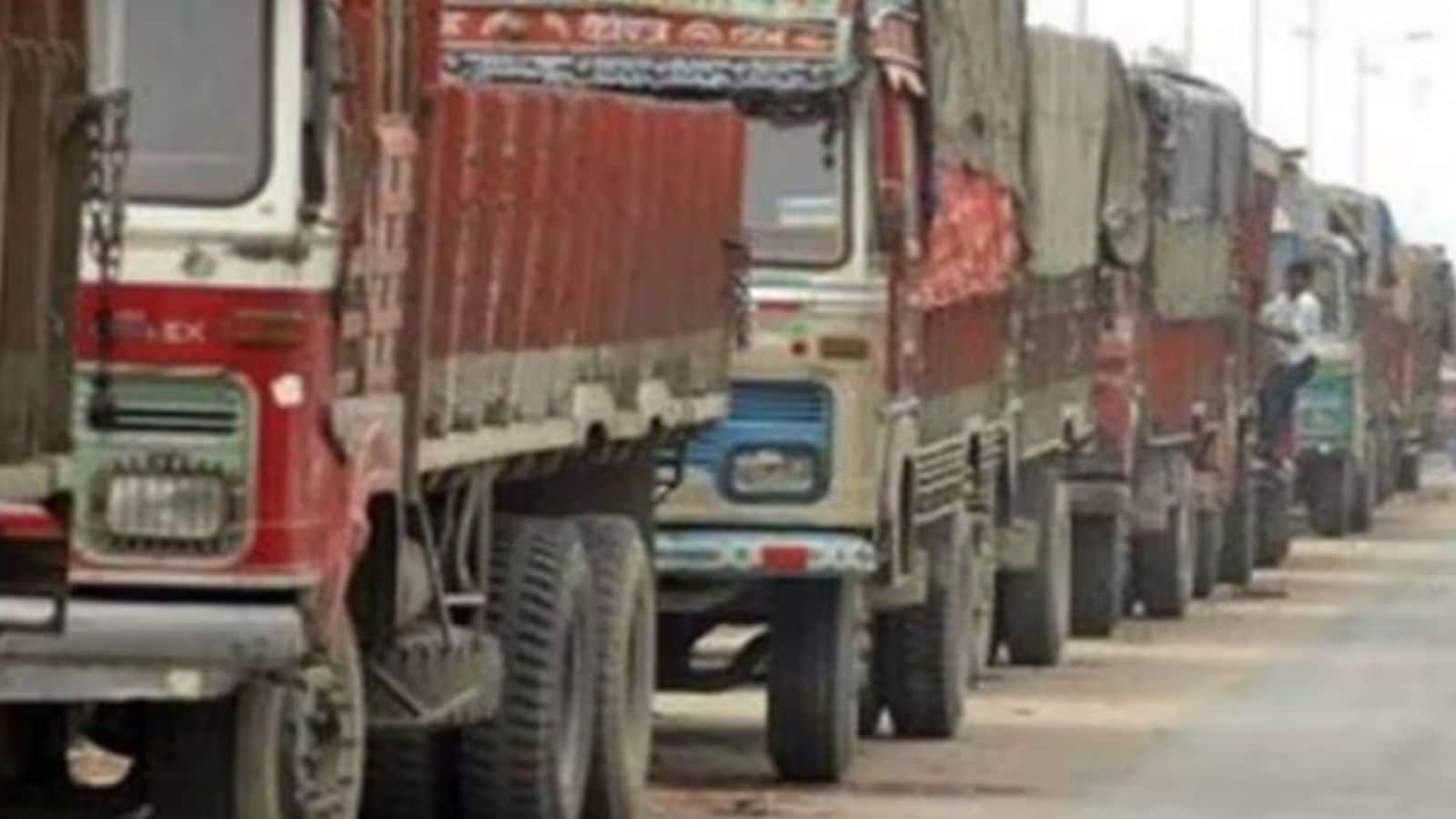 Kapil Gandhi, Management Committee Member, CREDAI Pune Metro, acknowledged concerns about citizen safety but questioned whether heavy vehicles alone should be considered a risk. (Representational Image)
Following the traffic police’s decision to ban heavy vehicles in the city’s red zones to ease congestion, developers and construction material associations have raised concerns, calling it a financial burden on both businesses and as well as citizens constructing homes.
Recently, the traffic administration introduced a new schedule with dedicated routes for heavy vehicle movement in the city. After identifying red zones based on black spots, accident-prone areas, public spaces, and school zones, the Traffic DCP, in a recent meeting, declared a complete ban on heavy vehicles within the city limits. However, construction material suppliers, transportation bodies, and real estate associations have called the move unilateral, arguing that they will have to bear the financial brunt of the decision.
Kapil Gandhi, Management Committee Member, CREDAI Pune Metro, acknowledged concerns about citizen safety but questioned whether heavy vehicles alone should be considered a risk. “There are all sorts of vehicles in the city, but the ban is only on construction vehicles, which will impact the timely transportation of materials for homes and other projects. We have deadlines issued by RERA and commitments to our customers. If the supply of materials is halted, ongoing projects will come to a standstill, creating further chaos,” he said.
As per the Real Estate (Regulation and Development) Act (RERA), housing projects must be completed within a specific deadline. If raw materials do not arrive on time, construction delays are inevitable. Additionally, Ready-Mix Concrete (RMC) transportation is highly time-sensitive, and its pricing is determined by strict parameters.
Gandhi also pointed out that allowing heavy vehicle movement only at night presents multiple challenges, including noise pollution for sleeping residents and increased material costs. “If heavy vehicles are restricted, people will have no option but to hire smaller vehicles, which will increase the number of trips and raise loading-unloading charges,” he explained.
CREDAI suggested alternative measures such as driver education programs, road widening, and better traffic management instead of outright bans.
Yogesh Sasane, Secretary of the District Mining and Crusher Entrepreneurs Association, Pune, highlighted concerns over the increased cost of night-time transportation. “Night wages for Mathadi workers are doubled, and this decision will require additional manpower and resources, further increasing costs. We will present these facts during a meeting with the Police Commissioner on Saturday. If a resolution is not reached, all transportation of raw materials required for construction in the city and district will be halted indefinitely from Monday,” he warned.
DCP (Traffic) Amol Zende defended the decision, emphasising the need to control traffic congestion and prevent accidents. “Our priority is decongesting the city and ensuring public safety. RMC trucks are permitted from 12 AM to 4 AM, while dumpers can operate from 11 AM to 5 PM. During peak hours, no heavy vehicles are allowed. Trucks and similar vehicles are only permitted at night, with trailers being an exception. Many trailers traveling from Chakan to Solapur pass through the city, so we have designated dedicated routes for them,” he stated.