


Stay updated with the latest - Click here to follow us on Instagram
© The Indian Express Pvt Ltd
Tags:


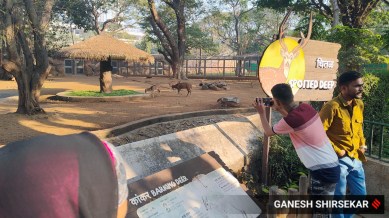
After the outbreak of H5N1 avian influenza at Nagpur’s Gorewada Rescue Centre, which led to the deaths of three tigers and a leopard, zoos and wildlife rescue centres in Mumbai have implemented strict precautionary measures for the safety of the animals. Prominent facilities such as the Veer Jijamata Bhosle Udyan, also known as Byculla Zoo and Sanjay Gandhi National Park (SGNP) Zoo Safari have ramped up biosecurity protocols, while wildlife rescue centres have intensified monitoring efforts.
The outbreak prompted the Department of Animal Husbandry and Dairying to issue nationwide advisories to zoos and rescue centres. These directives emphasised compliance with the National Action Plan for the ‘Prevention, Control, and Containment of Avian Influenza,’ including enhanced biosecurity, regular monitoring and early detection of symptoms among the animals.


“We are following all the measures we received. Chicken, previously fed weekly to the animals, has been stopped completely. All animals have been swab-tested, and no symptoms of illness have been found,” said Dr Vijaya Jangle, Veterinary Officer at SGNP. Both the zoo and SGNP rescue facility have also enforced stricter hygiene protocols and regular health checks.
Byculla Zoo has removed chicken from the carnivores’ diet and now only feeds them buffalo meat sourced from Deonar abattoir. All enclosures are disinfected, and human-animal interaction has been minimised.
“We have always adhered to strict protocols for the animals’ well-being. Following the Nagpur incident, we eliminated chicken from their diet as it is considered a transmission source. We now conduct daily screenings to ensure animal health,” said Dr Sanjay Tripathi, director of Byculla Zoo.
Wildlife rescue centres like the Wildlife Welfare Association (WWA) in Thane have also taken action. WWA is responsible for diagnosing infected animals and alerting forest authorities if required. “We are vigilant about the outbreak and following all guidelines. So far, no bird at our centre has been found affected,” said Rohit Mohite, Honorary Wildlife Warden of Thane district.
Another rescue centre, The Resqink Association for Wildlife Welfare (RAWW), which operates out of Thane district, has tightened food monitoring and introduced additional quarantine spaces for new arrivals.
“We are closely monitoring food items sourced from verified suppliers. Vigilance has been heightened for both in-house and new animals to detect risks,” said Pawan Sharma, founder and director of RAWW.
“Provisions have been made to isolate suspected cases and establish additional quarantine spaces for new arrivals,” added Sharma. This ensures that any risk of disease transmission is mitigated effectively.
Experts have highlighted potential transmission risks. Dr. Abhishek Satam, Zoo Biologist at Byculla Zoo said, “Transmission could occur through human interaction or infected chicken. We’ve stopped feeding chicken and ensure no sick humans interact with the animals for the safety of the both.” However, he added that there is no need of regular testing unless there are symptoms found in any animal.


Stay updated with the latest - Click here to follow us on Instagram


