Journalism of Courage



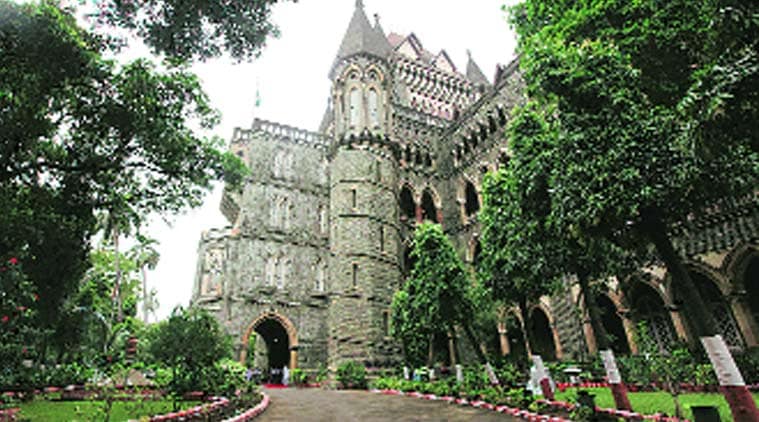 After the inauguration of the High Court’s museum, which was made open for public viewing on February 14, Chief Justice Mohit Shah felt the need to put artefacts, rare documents and historical information in the domain of a larger audience.
The Bombay High Court, in a first among all high courts in India, has gone the digital way by putting up a ‘virtual museum’ online recently, giving viewers an insight into its history.
After the inauguration of the High Court’s museum, which was made open for public viewing on February 14, Chief Justice Mohit Shah felt the need to put artefacts, rare documents and historical information in the domain of a larger audience.
Accordingly, on his instructions, court staff headed by deputy registrar of library and museum, Uma Narayan, started creating web pages for all the historical information available with them.
[related-post]
From scanning decades’ old fragile documents to giving a digital face to antiques, Narayan and her team members, including Nileema Deo and Anant Pawar, put the ensemble together in 45 days.
The team divided the website, bombayhighcourt.nic.in/vmuseum/Homepage10.html, into four categories, namely, archival, documents, architecture and rare books.
While the archival section chronicles the events leading to the Bombay High Court’s inception, several digitised documents give a sneak-peek into some of the oldest judgments written in India’s judicial past.
In the archival section, people can see significant milestones in Bombay’s judicial history and know that the first court was the Mayor’s Court that functioned between 1726 and 1798. The Recorder’s Court followed next and was in existence till 1824. Further, there was the Supreme Court of Bombay, between 1824 and 1862, and Sudr Diwani Adalut, which was the precursor to the Bombay High Court established in 1862.
The scanned documents are divided into certificates and applications of legal luminaries, rolls of attorneys and advocates and old judgements of Sudr Diwani Adalut, Recorder’s Court, Supreme Court of Judicature at Bombay and Judgments of High Court. It also includes certificates and applications of Mahatma Gandhi, Mohammed Ali Jinnah, Sardar Vallabhbhai Patel, Bal Gangadhar Tilak and Dr B R Ambedkar.
The heritage building of the High Court has “English-Gothic” styled architecture, and the same is showcased in the “architecture category” of the museum’s website. The site opens with an embedded video clip and a musical score, with descriptions telling the audience about the style, which was designed by Colonel J A Fuller and completed at a cost of Rs 16.44 lakh, about Rs 3,000 less than the sanctioned estimate.
The “rare books” include the digital versions of photolithographic reproduction of the Constitution of India, history of the Bombay High Court, the Imperial Gazetteer of India published in 14 volumes in 1885, and the oldest law reports, dating as early as 1862.
The virtual museum will help people connect to the rich judicial heritage from anywhere, said a High Court official. “The real and virtual museums complement each other and provide information about the history and heritage to public at large. It can encourage people to visit the real museum as and when possible,” the official said.
The team also plans to include in the virtual museum more information from different benches of the Bombay High Court in Maharashtra by asking them to send documents, artefacts of historical value.
“The virtual museum will be useful to the researchers of legal history, both national and international and also to the law students interested in knowing the judicial history of the Bombay High Court,” said another official.
aamir.khan@expressindia.com

 4 min read