


Stay updated with the latest - Click here to follow us on Instagram
Tags:


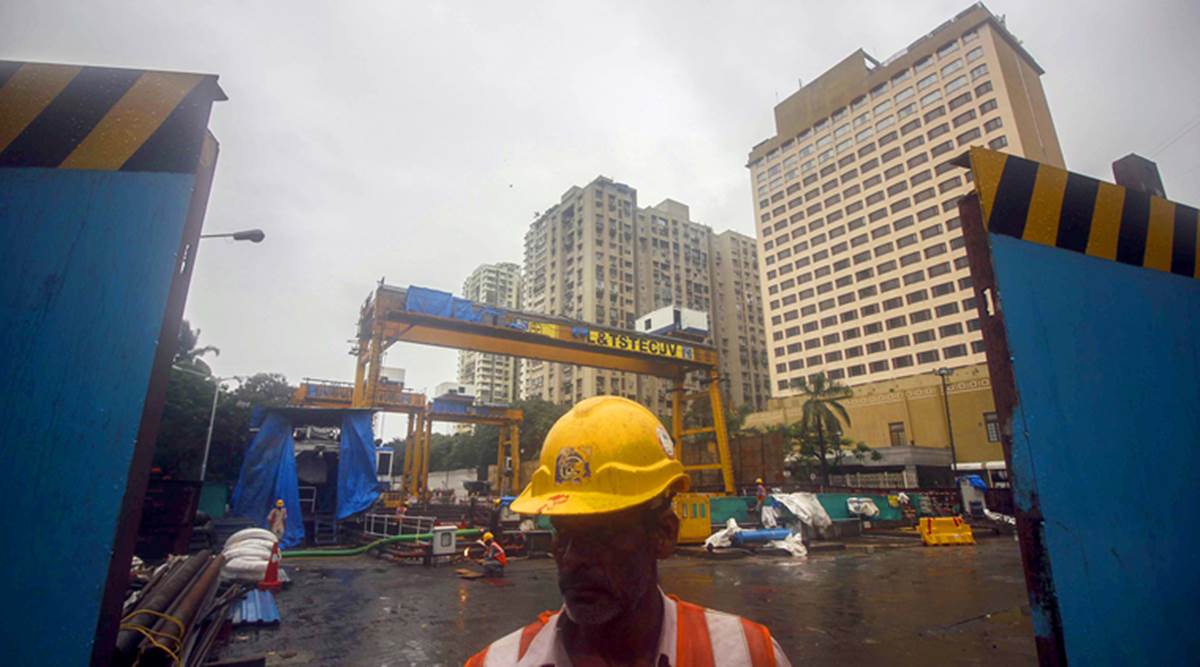
A Crossover Tunnel Boring Machine (TBM) will start building tunnel for Metro 3 from August, making it the first metro corridor in the country to use a TBM of this kind. The patented machine, only manufactured by The Robbins Company, ensures efficient tunneling in areas that have a mix of hard and soft rocks.
“Soft rock gets crushed easily and gets converted to paste. It gets entangled in the cutters and affects the performance. The Crossover TBM facilitates quick modification in the cutter head for changing it for different geological conditions. This helps it perform better in different ground conditions. It is ideal to be used in areas, which have predominantly hard rock stretches with some pockets of soft rock,” said S K Gupta, the Director (Projects), Mumbai Metro Rail Corporation (MMRC).

Efficient removal of paste is facilitated by the TBM’s provision to remove some of the heavy steel plates from the cutterhead and create a larger opening in it. The cutterhead is the front part of the TBM that has blades, which actually cut the rock to create the tunnel.
This form of contrast in rocks has been observed only in Package 1, between Cuffe Parade and CST stations. The MMRC will be using two TBMs for the length of 3.3 km, beginning from the launching shaft at Cuffe Parade to the retrieval shaft at Azad Maidan. “The second TBM is expected to arrive in Mumbai by the third week of July and would be commissioned by September to bore the parallel tunnel,” Gupta said.
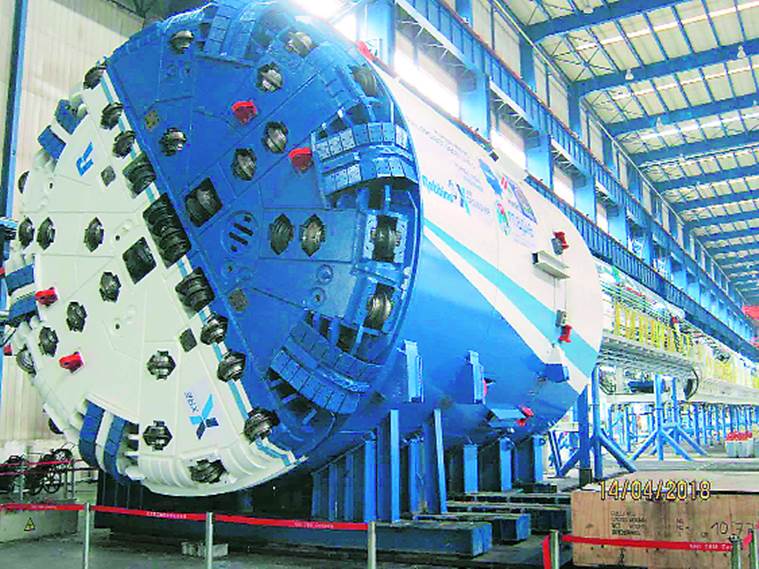
While Crossover TBMs have been used for constructing metro tunnels in other countries, it will be the first time that the machine will be used in India.
“Mumbai Metro will be the first metro in the country to use this kind of TBM. It has been previously used in Australia, South Africa and even in one or two places in Europe,” Gupta said.
For boring the twin tunnels for the 33.5-km corridor, the MMRC has also been using other types of TBMs, like slurry, dual mode and EPB TBMs, based on the rock quality of different areas. Altogether, 17 TBMs will be tunneling underground to construct the 51 km tunnels.


Stay updated with the latest - Click here to follow us on Instagram


