


Stay updated with the latest - Click here to follow us on Instagram
Tags:


It is but natural for shades of blue to dominate the palette of this exhibition. The artwork,after all,is an outcome of hours spent by a group of 32 artists from SAARC nations,near the Puducherry beach,where the paintbrush was wielded over long conversations. It was different from the usual art camps. We are not familiar with the art activities across different countries in the neighbourhood,so this camp familiarised us with that, says Delhi-based Amitava Das,glancing at his figurative acrylic on canvas that was on display in the exhibition Puducherry Blue at The Lalit on Saturday. The artwork apart,when he returned from the week-long trip in March,Das also had a busier phone-book thanks to all the artists he had befriended at the camp. Bhutanese artist Tshewang Tenzin has a similar experience to share. In Bhutan we use more traditional techniques in art,so interacting with artists whose art is more contemporary was a learning experience, he says,explaining why he confirmed his participation immediately when Sanjeev Bhargava,founder of Seher,a Delhi-based organisation that conceived of the camp alongside Indian Council of Cultural Relations (ICCR),contacted him in January. His acrylic and watercolour has eight stories with White Tara painted at its centre. In Tibetan Buddhism the goddess represents compassion and long life.
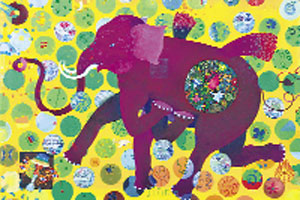
Sri Lankan artist Sanjeewa Kumara has chosen to depict the elephant. the symbol of ancient Sri Lankan kings. Its six legs and wings,the Colombo-based artist explains,are associated with Sri Lankan post nationalism. This is non-western western art. My paintings reveal the radical ambiguity of fantasy. It is art of surprises,the uncanny,fantastic,marvelous and supernatural, he says.


Stay updated with the latest - Click here to follow us on Instagram


