


Stay updated with the latest - Click here to follow us on Instagram
Tags:


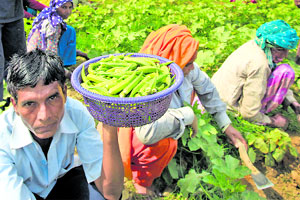
A farm in Najafgarh is tended by first-time farmers whove joined after completing a de-addiction programme
The19-acre farmland is a soothing experience after negotiating a 10-12-minute drive from Dwarka Mor Metro station amid chaotic traffic to Najafgarh. The iron gate has a nameplate: Subz Bagh. Inside,from bottlegourd to garlic,onions,tomatoes,bhindi and banana a variety of vegetables and fruits are grown on a vast stretch of furrowed land.


Their backs facing the hot afternoon sky,the farmers pluck vegetables. The second season of harvest hasnt yielded as much as the first one,they complain. Yet,this time they are wiser,having learnt a trick or two about marketing and selling their produce. The satisfaction of hard work yielding results is evident in their smiles.
Gopi left his home near Kolar in Karnataka as a teenager. From 1986 onwards I stayed on the streets of Old Delhi,pulling rickshaws,doing odd jobs,and started doing drugs. The situation worsened over the years and I turned into a ganja-smoking baba with entangled hair and flowing beard. I was also using injections, he says.
He came in contact with Sharans volunteers near Yamuna Bazaar and soon,life changed. Today,he feels rehabilitated. I would have never visited my home. But last year I went home,met my mother and sisters, he says,adding,but now Sharan is my home.
The story of Israil,in his late 40s,from Thane in Maharashtra is similar. I was into drugs,bad company. Now working on this farmland,I hope to atone for all that I have done in the past, he says.
Sanjay came here four months ago and Charanjeet has been here for a year. Both in their late 20s enthusiastically show off their produce. We have to find out how to sell our garlic,we have lots. But otherwise this season the overall produce is low only 4 quintals per day, they say.
For Rajiv Shaw,the project director of Sharan,its been a learning experience too.
We had no clue about farming and it was a complete no-no initially to take land on rent and make people with such background do farm-work. What if theres a problem,we thought. But our Dutch donor agency insisted that we see a similar project named Nai Zindagi in Islamabad,Pakistan. In Subz Bagh,we have replicated Nai Zindagi. But things were not easy. We found that theres a mafia in the wholesale vegetables mandi and its better to deal with local wholesalers, he says,adding so far its been a success. Initially,we had 25 people here and at least half of them have left to be integrated into mainstream.
Its time to click a group photo and Rajiv jokes with a reluctant Sanjay: They will send this photo to a filmstar. Some local women open the gate; looks like prospective buyers and everyone becomes business-like.


Stay updated with the latest - Click here to follow us on Instagram


