Journalism of Courage



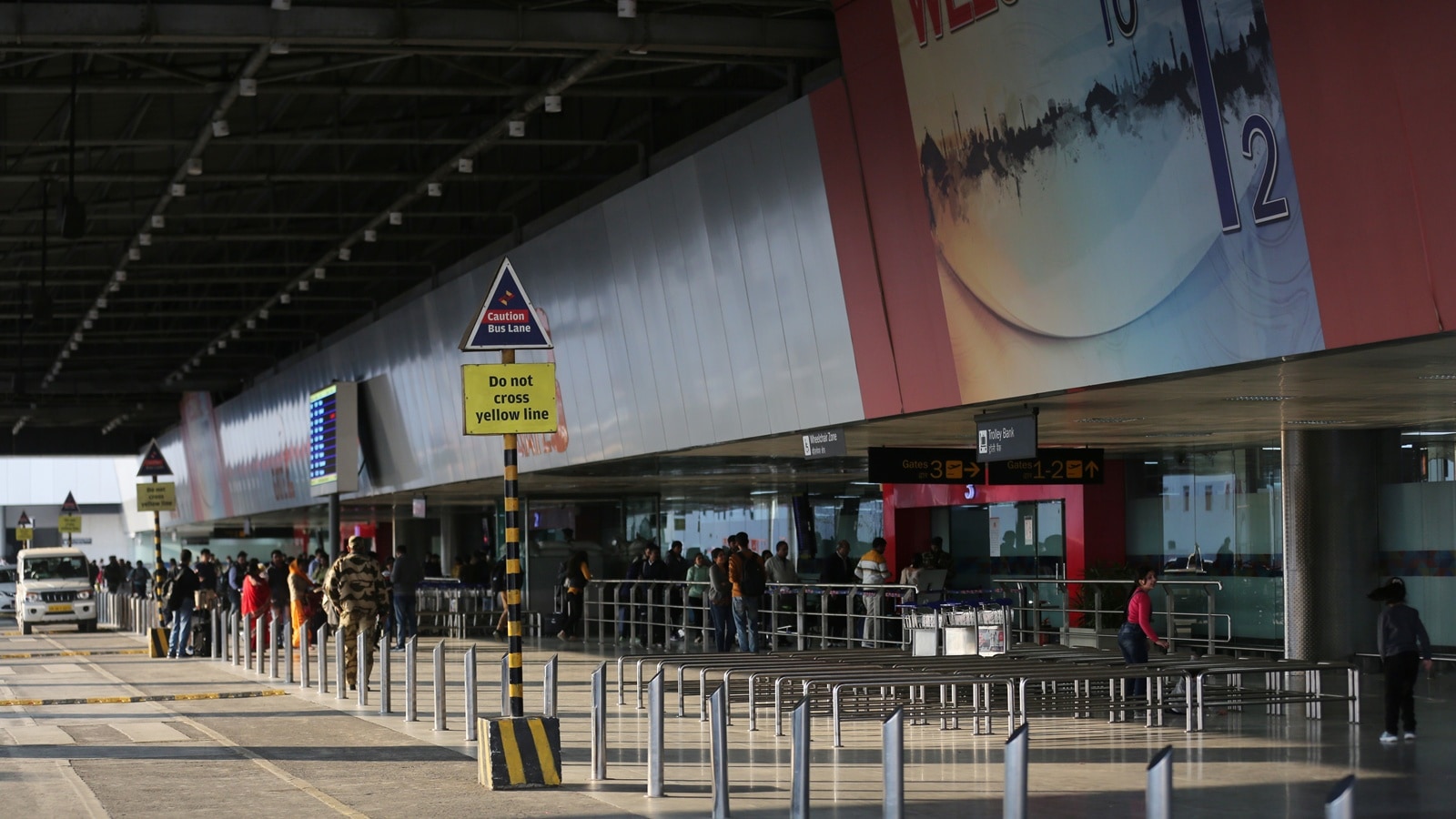 As per the International Air Transport Association (IATA), I-to-I passengers rose from 3.88 lakh in FY 2023 to 13.4 lakh in FY 2025. (Source: Express Archives)
The Indira Gandhi International Airport (IGIA) has recorded a 244% increase in international-to-international (I-to-I) transfers over two years, according to a whitepaper released by the Delhi International Airport Limited (DIAL).
This brings the IGIA closer to its goal of becoming a hub airport. A hub airport is used by airlines to consolidate flights and allows people transfer between different flights to travel from one city or country to another.
“The exponential growth of 244% in I-to-I transfers at the Delhi airport is a strong testament to our emergence as a global transit hub. This achievement is the result of our focused efforts and commitment to providing seamless connectivity, best-in-class infrastructure, and a world-class passenger experience. Aligned with the Government of India’s strategic vision to position Delhi as a leading international transit gateway, we have been continuously working to build a hub that connects continents,” said DIAL CEO Videh Kumar Jaipuriar.
As per the International Air Transport Association (IATA), I-to-I passengers rose from 3.88 lakh in FY 2023 to 13.4 lakh in FY 2025. DIAL attributes part of this increase to new routes, particularly on the Central Asia-Thailand corridor, on which carriers, such as IndiGo, have introduced services connecting Bangkok and Phuket with cities like Almaty, Tashkent, Tbilisi and Baku.
Overall transfer traffic at the Delhi airport also grew by 30.6% during the same period — from 1.56 crore passengers in FY 2023 to 2.03 crore in FY 2025. Domestic-to-domestic transfers accounted for 1.05 crore passengers, also reflecting a 15.9% increase.
The whitepaper notes that the IGIA has invested in infrastructure to support transfer growth, including the expansion of I-to-I transfer area, additional frisking booths, and new retail and food outlets. Facilities such as transit lounges, nap and shower areas, and a transit hotel were also added. Other measures include shuttle services between terminals, metro connectivity, and digital navigation tools.

 2 min read