Premium
This is an archive article published on November 18, 2024

Delhi Pollution: Stay indoors, wear N95 masks when outside, ensure ventilation

Experts also suggest that Delhi residents hold policymakers accountable as they now do not fear losing votes over air pollution issues.

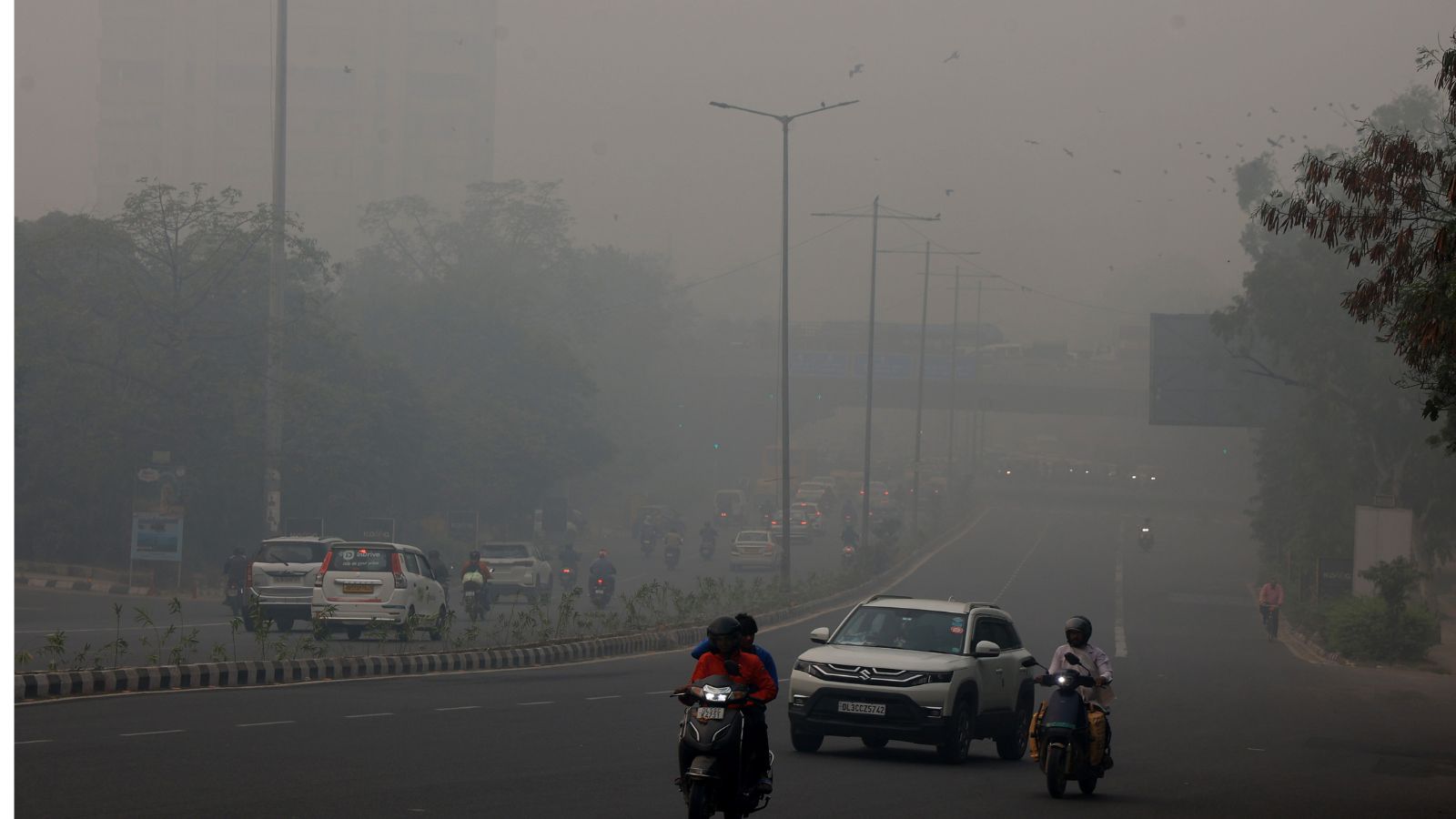
Delhi air pollutionAir pollution experts consulted by The Indian Express outlined measures residents can take to minimise the impact of pollution levels exceeding the “severe” mark. (Express photo by Amit Mehra)

Reduce outdoor activities, minimise exposure, wear N95 masks when outside, and decrease vehicular emissions — this is what Delhiites can do to minimise the impact of pollution in their day-to-day lives, according to experts.

The city’s air quality has been deteriorating over the past week, inching to severe plus levels on Monday. Restrictions under the Graded Action Plan Stage-IV have kicked in which include the closure of schools, except for Classes 10 and 12, certain vehicle restrictions, and a ban on construction and demolition activities.

The Indian Express spoke to a few experts — environmentalists and scientists — and here’s what they have to say:

‘Ensure ventilation’

Dr Gufran Beig, a former project director of the System of Air Quality Forecasting and Research and a retired scientist from the Indian Institute of Tropical Meteorology, said, “The pollution levels in Delhi have reached peak levels; any small trigger will amplify the situation. People should adopt cleaner fuels to avoid triggering vehicular emissions. As far as protection is concerned, it is essential to use N95 masks. Even if they do not completely stop finer particulate matter from entering the body, they can protect the upper respiratory tract to some extent. It is important to ensure ventilation. Many people think that sitting with windows closed will keep pollution out, but this is not true. Pollution is already trapped and will continue to sustain like this. Air circulation is crucial to clear it. Therefore, minimise outdoor activities for a few days until the weather becomes favourable.”

‘Don’t add to the problem’

Anumita Roychowdhury, executive director of research and advocacy at the Centre for Science and Environment, India, said, “All that you can do is see that you do not add to the problem. However, keep in mind that when meteorological conditions are adverse, you cannot solve the issue. Pollution will persist until there is some wind and natural ventilation. We need to control the major sources of pollution to prevent further loading.

Roychowdhury further said that residents should reduce their exposure as much as possible by staying indoors and avoiding outdoor exercise.

“Nobody should think that just by doing that, the air is going to clean up overnight. It does not happen. Because right now, the natural ventilation efficiency is absolutely very low… That’s the reason why tough measures become necessary. That’s what people have to keep in mind, that you don’t add more to the problem… and that’s where the whole public support will have to be built up now,” Roychowdhury added.

Story continues below this ad

‘Consume electricity wisely’

Sunil Dahiya, founder and lead analyst at Envirocatalysts, said, “In the last few years, this is the worst air pollution episode we have seen in November. Urgent measures include reducing activities that put physical strain on the body, such as exercising, walking, or jogging. We should stay indoors as much as possible and wear masks when going out.

For children, the elderly, and those with respiratory or heart diseases, this is an emergency.

“Not everyone can afford masks and purifiers, but those at risk should adopt them. We also need to reduce our pollution contribution by avoiding private transportation and relying on public transport. Taking leave from work and school can help reduce pollution levels.”

Dahiya further said that people must adopt better waste management practices to avoid burning waste, which increases pollution.

Story continues below this ad

Additionally, Delhi residents should consume electricity wisely, as much of the city’s electricity comes from coal-burning states like Haryana and Punjab, he said. Reducing demand can lead to less coal being burned.

Residents also have a responsibility to question governments and companies about reducing pollutant emissions by installing efficient technologies, Dahiya said, adding that policymakers do not fear losing votes over pollution issues because public concern is low.

“So we have to come out of that mentality and start saying that yes, we have to take certain actions, we will take those actions… These are some steps we need to take as citizens,” he added.

Sophiya Mathew is a Correspondent at The Indian Express, based in New Delhi. She joined the Delhi bureau in 2024, and has specialization in Integrated Multimedia Journalism from the Asian College of Journalism (ACJ), Chennai. Professional Background Core Beats: Her reporting is primarily focused on the Environment and Education. Specialization: She has gained recognition for her ground-level reporting on the Yamuna floodplains and the socio-economic challenges faced by those living on its banks. She also focuses on the disparities in Delhi's education system, ranging from elite private schools to government institutions and refugee education. Recent Notable Articles (December 2025) Her recent work has been heavily centered on Delhi's severe winter pollution crisis and the government's regulatory responses: 1. The Air Pollution Crisis "A tale of two cities: Delhi govt schools choke in bad air, private classrooms set up air filters" (Dec 20, 2025): A high-impact feature contrasting the "Clean Air Bubbles" in elite schools with the reality of government school students who are exposed to an equivalent of 17 cigarettes a day due to outdoor exposure. "Delhi sees season's worst air day, second worst December AQI in nearly a decade" (Dec 15, 2025): An analytical report on the meteorological patterns trapping pollutants in the NCR. "Delhi bans non-BS VI vehicles from outside: Why curbing vehicular pollution is key" (Dec 17, 2025): Explaining the science behind targeting specific vehicle vintages to lower particulate matter. 2. Enforcement & Regulations "No fuel at pumps in Delhi without valid PUC certificate from December 18" (Dec 17, 2025): Breaking the news on the environment ministry's strict "No PUC, No Fuel" policy. 3. Education Policy "Law to regulate school fee in Delhi risks becoming procedural, say parents" (Dec 13, 2025): Investigating the loopholes in the new Delhi School Education (Transparency in Fixation and Regulation of Fees) Bill, 2025. "Monsoon Session: Private school fee regulation Bill cleared after four-hour debate" (Aug 9, 2025): Covering the legislative passage of the controversial fee hike regulation. Signature Style Sophiya is known for her observational depth. Her reporting often includes vivid details from school corridors, hospital waitlists, or the banks of the Yamuna to illustrate how policy failures affect the city's most vulnerable residents. She is a frequent expert guest on the 3 Things podcast, where she explains the complexities of Delhi’s environmental laws. X (Twitter): @SophiyaMathew1 ... Read More

Stay updated with the latest - Click here to follow us on Instagram

Latest Comment
Post Comment
Read Comments
Advertisement
Loading Taboola...
Advertisement