3 min read
Stay updated with the latest - Click here to follow us on Instagram

Journalism of Courage



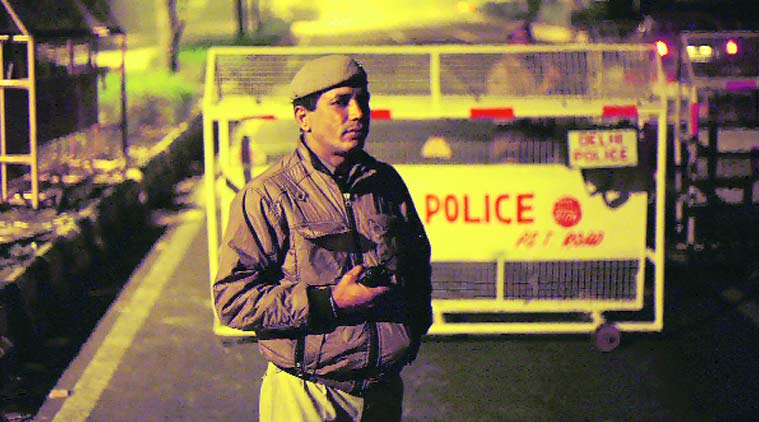 Court asked why traffic police personnel “hid behind trees” to challan traffic violators instead of standing visibly on the road to ensure that violations did not occur.
The city’s traffic police came under fire from Delhi High Court over traffic snarls in the city, during a hearing on a PIL regarding air pollution Friday.
The bench of Justice B D Ahmed and Justice Sanjeev Sachdeva asked why traffic police personnel “hid behind trees” to challan traffic violators instead of standing visibly on the road to ensure that violations did not occur.
The judge also said he had been “stuck for over 40 minutes” recently while travelling from Akbar Road towards the Willingdon airbase near the Prime Minister’s residence.
The bench had earlier observed that traffic congestion was a major source of air pollution in the capital.
It had also issued directions to the traffic police in October to come up with an “intelligent, integrated traffic management system” to reduce congestion on roads.
Advocate Sanjay Lao, appearing for the traffic police, told the bench a proposal on Intelligent Traffic Management System (ITMS) had been created as part of the “safe city project” by the Delhi Police. He said it had been sent to the Home ministry for approval.
The ITMS — which would include traffic signal control, surveillance cameras and other features — will cost Rs 441 crore, according to the report handed over to the bench by Lao.
The bench also commented on the “mini snarls” caused on busy intersections due to barricades and checking by traffic police.
Lau told the court that the joint commissioner (traffic) had issued “orders” to not conduct such exercises during “peak hours”. The bench then asked traffic police to create a plan to check violations without blocking traffic.
The Indian Express had also reported on October 2 that orders had been handed down to traffic personnel to not stop violators and issue challans during peak hours.
Other agencies, including the Public Works Department, New Delhi Municipal Council and the three MCDs, were also criticised by the court as they failed to give a detailed plan of action to deal with increasing pollution and encroachments on forest land.
Taking note of the submissions by amicus curiae, senior advocate Kailash Vasdev, regarding dust and debris on dug-up roads, the bench directed the municipal bodies to file a detailed report on the number of road-sweeping machines purchased in the past 10 years and if they were in a working condition.
The bench directed all government agencies to file their responses before the
next date of hearing on December 3. In its earlier order, the high court had directed all government agencies to create a district-wise action plan to tackle encroachment on forest land. It also asked them to identify officials who could be held responsible for violations.
Stay updated with the latest - Click here to follow us on Instagram