4 min read
Stay updated with the latest - Click here to follow us on Instagram

Journalism of Courage



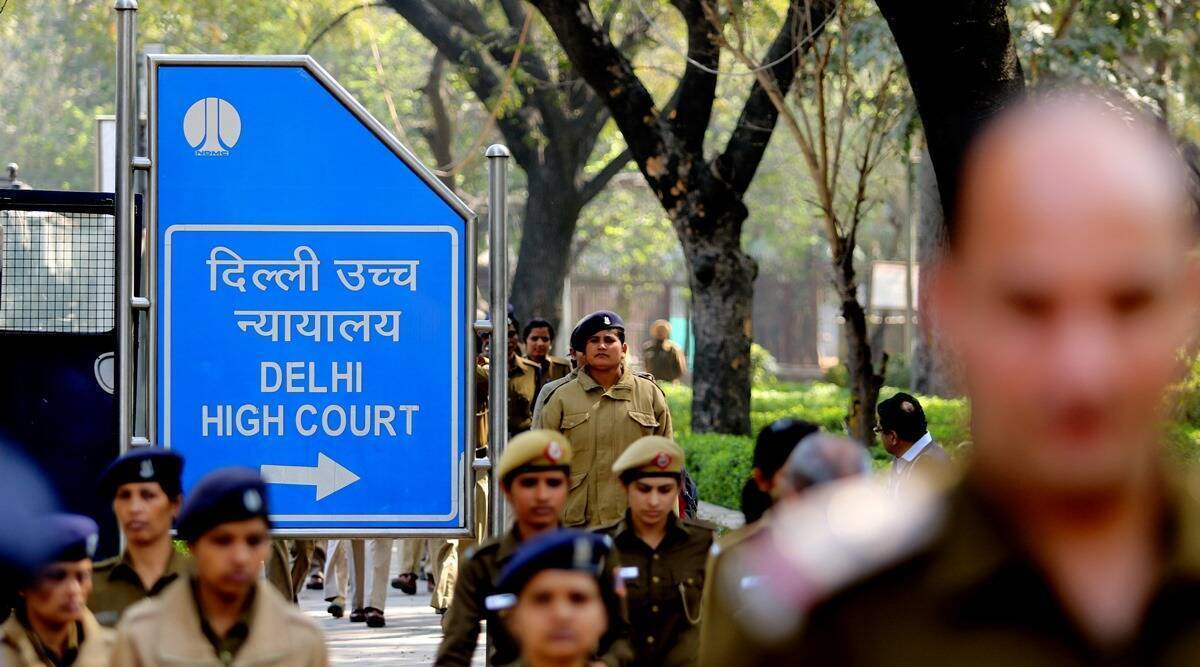 The court noted that in matrimonial disputes "a common understanding of parties" on essential conditions for enforceability of a settlement agreement is "crucial". (File)
 The Delhi High Court has issued guidelines for drafting of mediation settlement agreements on matrimonial disputes, including those in Hindi, after observing that mediators needed guidance to draft such agreements with a “degree of coherence, consistency, and unambiguity”.
A single judge bench of Justice Swarana Kanta Sharma in its May 16 order noted that there is a “Hindi department” in every court and that the translation of judgments in Hindi has been working successfully under the apex court’s guidance.
Justice Sharma directed that the persons in charge of mediation centres “will ensure that the mediated settlement agreements are prepared in Hindi language also, in addition to English language, as far as possible”.
“It is being directed that since in majority of cases, the parties do not comprehend English and their spoken language and mother tongue is Hindi. However, in cases the parties are well-versed in English language and want the agreement to be in English language only, there will be no such insistence or requirement,” Justice Sharma ordered.
Observing that in India matrimonial disputes often include criminal proceedings, Justice Sharma underscored that settlement agreements arrived at from successful mediation must be drafted with “due care and caution, so that the very purpose of mediation is not defeated”.
The court noted that in matrimonial disputes “a common understanding of parties” on essential conditions for enforceability of a settlement agreement is “crucial”. Hence the mediator needs to bear in mind the “level of understanding” of the parties may vary according to their social backgrounds. “…thus, the mediator should remain attentive and alert to the circumstances, capacity, and linguistic abilities of the parties involved, considering their backgrounds and language proficiency,” Justice Sharma remarked.
The HC further said that there are no fixed patterns for preparing such agreements; mediators dealing with matrimonial disputes should keep in mind that such agreements are reached with an intent to “attain finality to all the disputes”.
The guidelines issued by the HC include that the agreement must specifically contain the names of all the parties to the agreement and should avoid ambiguous terms like ‘respondent’, ‘respondents’, ‘petitioner’ or ‘petitioners’. All minute terms and conditions should be contained in the agreement; the agreement should avoid “tentative dates” and timeline should be clear. In case of payment of settlement amount, the agreement “should specify the method of payment”.
The court observed that in matrimonial disputes, the parties mostly want their disputes to be settled at the “earliest while the emotions and tempers run high”. “While the mediator performs the duty of not only dealing with those tempers but also their disagreements and emotions, the mediator also has another responsibility to ensure that the agreement reached by the parties, as well as the hard work of the parties, their families, counsels and the mediator, is crystalised,” the HC said.
With respect to cases under Section 498A of IPC (husband/relative subjecting woman to cruelty) where one of the conditions in the agreement is to cooperate in quashing of such a case, the guidelines state, “it is advisable that the agreement must stipulate the names of all the parties concerned who have been named in the FIR specifically and the fact that the claims have been settled in totality for quashing of entire FIR and proceedings emanating therefrom qua all persons named in the FIR”.
“It be also clarified specifically that the FIR will be quashed in totality against all the persons arrested, not arrested, chargesheeted, not chargesheeted, with their names and whether the entire FIR will be quashed against all of them upon payment by husband or any other person on behalf of the husband,” the court said.
The court also said that in case only one or some parties are present during mediation proceedings and only their signatures are obtained, it will be clarified that the agreement is being signed on behalf of those “relatives or parties also even in case they are not present”, in case the agreement is with respect to them as well and they are absent in person.
The court further observed that the guidance needed by the mediators to “draft agreements with degree of coherence, consistency, and unambiguity” will go a long way in “healing the lives of those in need” by immediately putting an end to a dispute and further insulating them from future litigation.
Stay updated with the latest - Click here to follow us on Instagram