Journalism of Courage



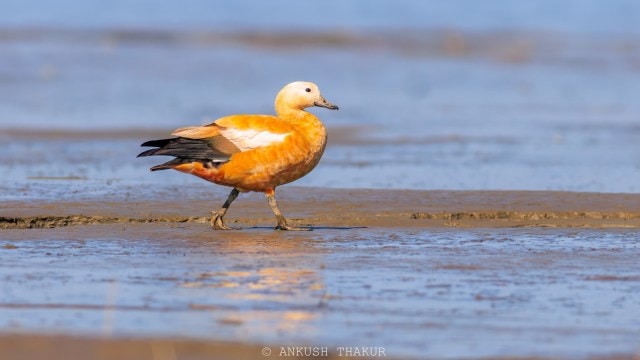 The Ruddy Shelduck at Pong Dam Lake Wildlife Sanctuary. (Photo: Himachal Pradesh Forest and Wildlife Department)
The 2025 annual bird count at Pong Dam Lake Wildlife Sanctuary, a protected wetland in Himachal Pradesh, recorded an unprecedented surge in waterfowl, with a total of 1,53,719 birds of 97 species, according to officials. The census, conducted on February 1, counted 1,44,371 migratory birds across 55 species, marking a significant increase from previous years and underscoring the lake’s growing importance as a sanctuary for water-dependent birds.
Among the standout findings was the sharp rise in the population of Bar-headed Geese, the sanctuary’s flagship species. Officials reported 90,959 Bar-headed Geese this year, up from 37,501 in 2024 — a remarkable increase of 53,458. “This is the highest count ever recorded in the history of the annual bird census at Pong, which began in 2004,” said a senior wildlife officer from the Himachal Pradesh Forest Department.
The census also documented other dominant species, including 10,785 Eurasian Coots, 9,692 Common Pochards, 8,497 Common Teals, and 8,053 Northern Pintails. Lesser-known species such as the Greater White-fronted Goose, Lesser White-fronted Goose, Red Crested Pochard, and Northern Lapwing were also noted in this year’s survey.
 The Bar Headed Goose. (Photo: Himachal Pradesh Forest and Wildlife Department)
Experts attribute the overall rise in bird numbers — 83,555 more individuals than were counted in 2024 — to the decrease in the lake’s water levels. As the lake’s waterline receded, new feeding grounds emerged, drawing flocks of migratory birds from distant regions, including the Trans-Himalayan range, Tibet, Central Asia, Russia, and Siberia.
“This drop in water levels has exposed more of the lake bed, creating a vast feeding area that has undoubtedly contributed to the increase in bird populations this year,” explained the wildlife officer.
 The Sarus Crane. (Photo: Himachal Pradesh Forest and Wildlife Department)
The bird count, conducted by more than 100 participants — including officials from the Himachal Pradesh Forest Department, experts from the Bombay Natural History Society, the Wildlife Institute of India, and local bird enthusiasts — spanned the entire sanctuary. The lake was divided into 25 sections for the survey, ensuring thorough coverage of the wetland’s diverse habitats.
Pong Dam Lake, a designated Ramsar site, is a crucial wintering destination for migratory birds. The lake’s unique ecosystem, enriched by the exposed lake bed and its abundant food supply, has solidified the sanctuary’s role as a safe haven for these avian visitors.
“This year’s bird count is not only a testament to the sanctuary’s ecological value but also highlights the significance of ongoing conservation efforts,” the officer said.
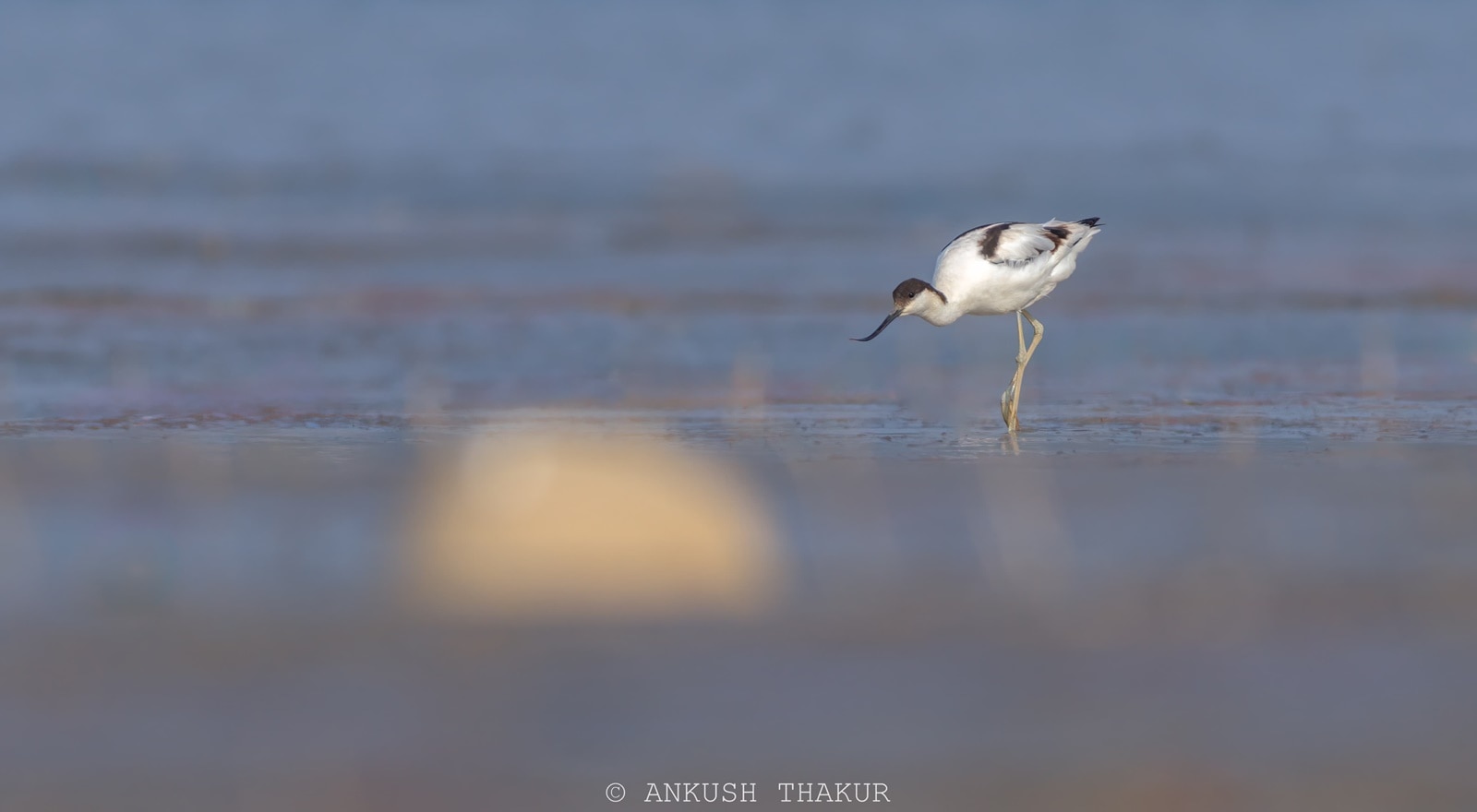 The Pied Avocet. (Photo: Himachal Pradesh Forest and Wildlife Department)
In a nod to the importance of protecting the sanctuary, the Himachal Pradesh government inaugurated a new Interpretation Centre at Pong Wetland on January 18. The facility, dedicated by Chief Minister Sukhvinder Singh Sukhu, aims to educate visitors about the wetland’s role in supporting migratory species and preserving biodiversity.
The census, which has grown in scope and accuracy over the years, reflects a collaborative approach to conservation, involving local communities and wildlife institutions. As migratory patterns continue to shift with changing global climates, sites like Pong Dam Lake are becoming ever more essential to maintaining healthy bird populations.
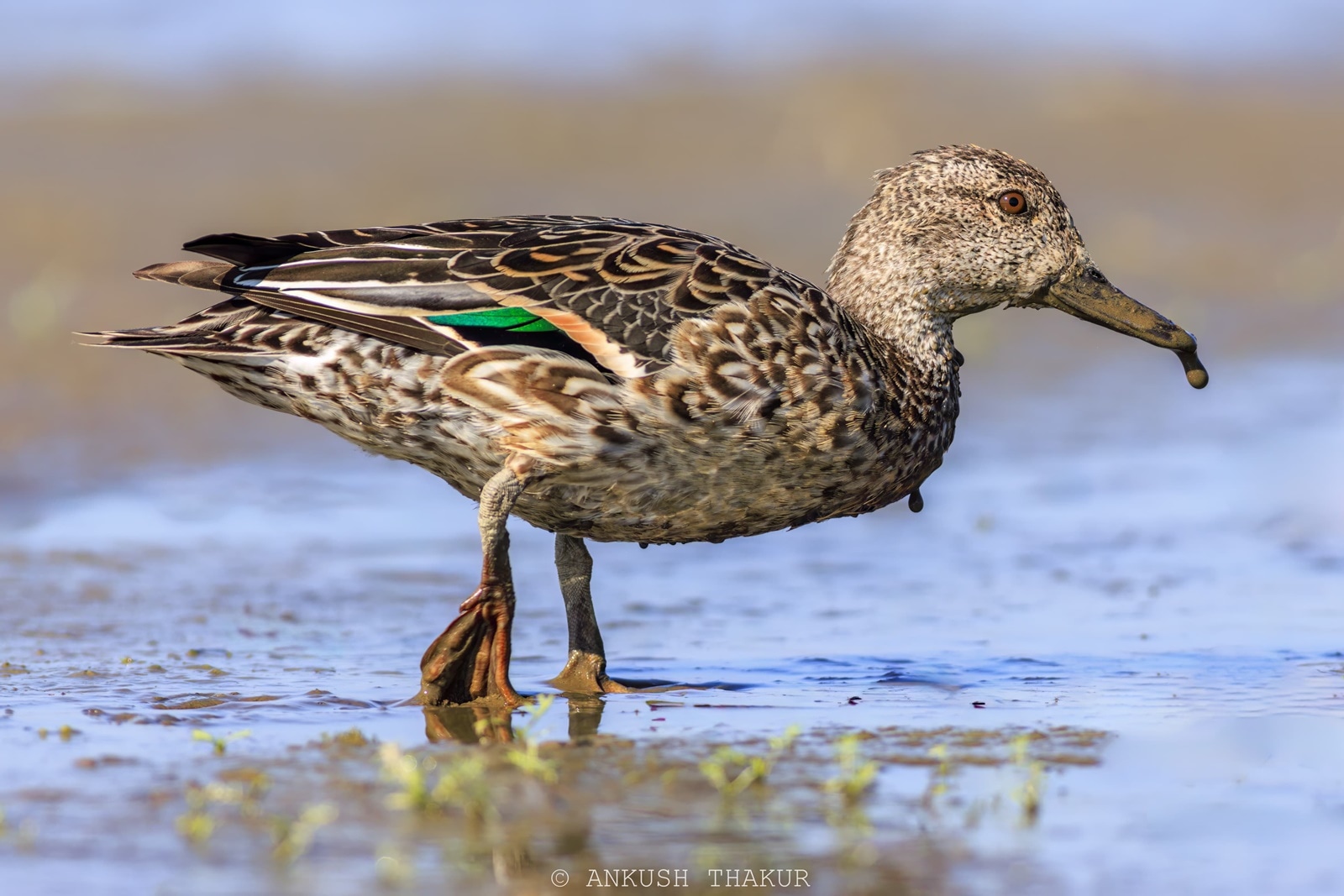 The Eurasian Teal. (Photo: Himachal Pradesh Forest and Wildlife Department)
The Himachal Pradesh Forest Department, along with its partners, vowed to continue their work to protect and sustain the lake’s unique avifauna, ensuring that future generations of birds — and birdwatchers — can enjoy the rich biodiversity this sanctuary has to offer.

 4 min read