


Stay updated with the latest - Click here to follow us on Instagram
© The Indian Express Pvt Ltd
Tags:


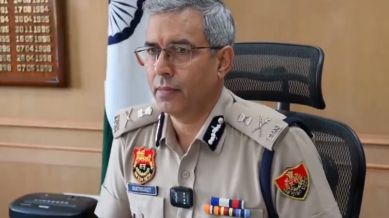
The Haryana government late Sunday evening formally relieved Director General of Police Shatrujeet Kapur of his responsibility as the DGP, two months after he was sent on leave amid controversy surrounding the alleged suicide of senior IPS officer Y Puran Kumar.
The government, however, announced that 1992-batch IPS officer OP Singh would continue as officiating DGP until further orders and posted Kapur, a 1990-batch IPS officer, as the Chairman of the Haryana Police Housing Corporation.

Hours after Kapur, who will retire on October 31, 2026, proceeded on leave on October 14, Singh assumed the charge of officiating as DGP and would retire from his service on December 31.
The posting orders for both officers were issued by Haryana Additional Chief Secretary (Home) Sumita Misra, the very day Kapur’s two-month leave ended.
Singh will retain his responsibilities as the Director General of the Haryana State Narcotics Control Bureau and the Director of the Forensic Science Laboratory in Madhuban.
Kapur was appointed the DGP in August 2023 during the reign of chief minister Manohar Lal Khattar, superseding two 1989-batch IPS officers Mohd Akhil and RC Mishra.
Kapur was sent on leave after his name surfaced in connection with the alleged suicide of the senior Haryana cadre IPS officer, who was found dead on October 7. Following demands for action from the deceased officer’s family, the then Rohtak Superintendent of Police Narendra Bijarniya was removed from his post, and Kapur was sent on leave.
The Chandigarh Police subsequently registered an FIR in the case, and a Special Investigation Team (SIT) led by Inspector General of Police Pushpendra Kumar was constituted to probe the case.
According to Haryana Police Department officers, just two months at the helm, Singh launched two major coordinated crackdowns — Operation Trackdown and Operation Hotspot Domination — leading to the arrest of thousands of armed criminals, dismantling of organised gangs and foiling several planned murders.
A senior police officer said, “The focus was not limited to reactive policing, but on proactive disruption—zeroing in on habitual offenders, arms suppliers and criminal hideouts. The campaign also dealt a blow to the drug network. By cutting supply chains and intensifying surveillance on trafficking routes, police succeeded in reducing drug availability across several vulnerable areas.”


Stay updated with the latest - Click here to follow us on Instagram


