Journalism of Courage



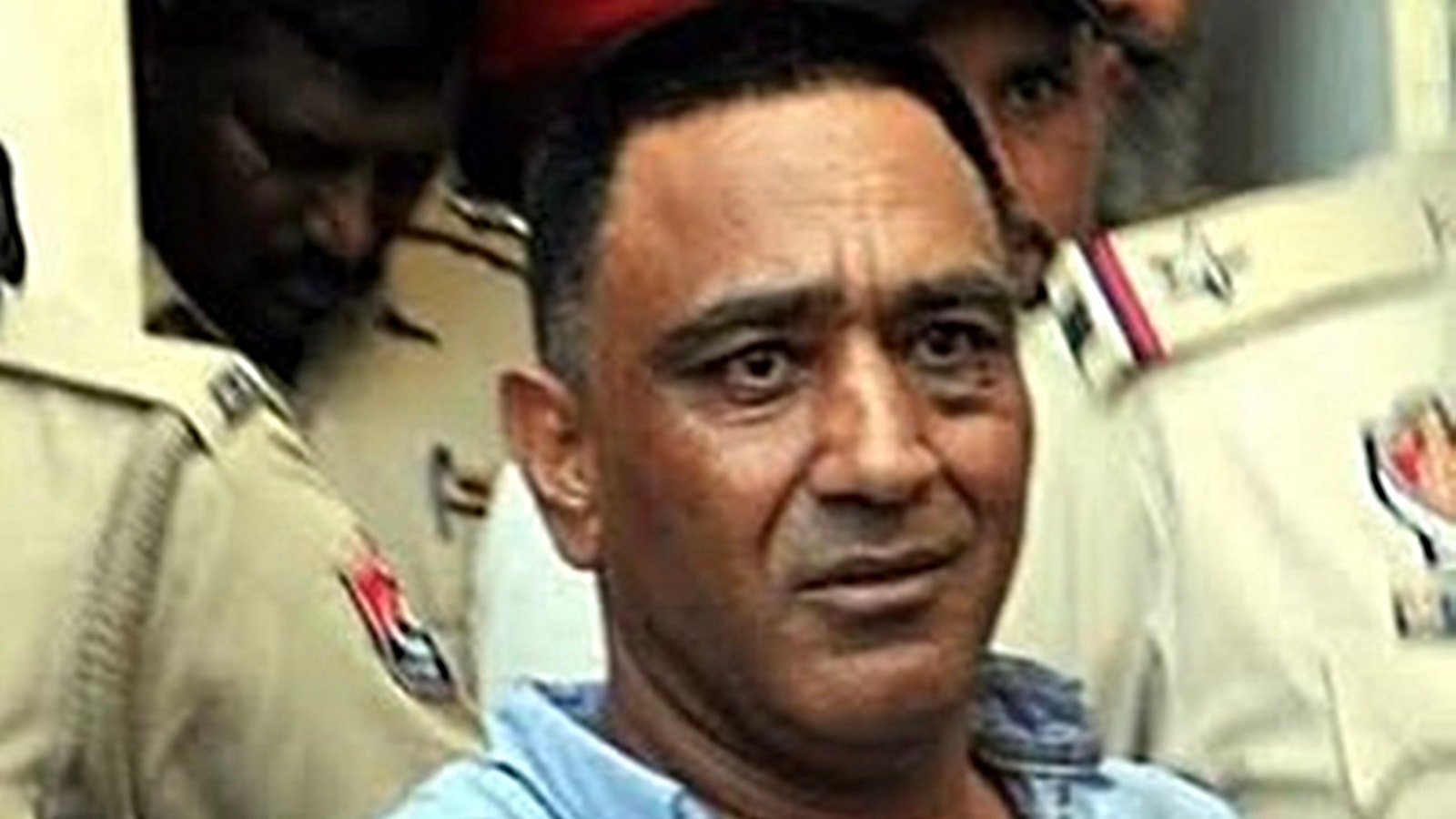 Raja Kandola. (Express Photo)
The Jalandhar court of sessions judge Nirbhow Singh Gill Wednesday acquitted alleged “ICE drug lord” Ranjit Singh, alias Raja Kandola of Nawanshahr and 13 other accused in the infamous ICE (methamphetamine), heroin and other party drugs supply case of 2012.
The court acquitted Kandola, his wife Rajwant Kaur, son Bally Singh and others, on the basis of “benefit of doubt” after the Punjab Police failed to provide enough evidence against them.
The FIR number 60 under Sections 21/29/85 of the NDPS Act was registered by Jalandhar rural police on June 1, 2012, at Kartarpur police station claiming that Kandola and his accomplices were involved in manufacturing and supplying ICE drug to several party clubs across Punjab and the country and were involved in manufacturing ICE using methamphetamine. The Punjab Police had pegged the drug racket at Rs 200 crore.
The FIR also said that Kandola and his accomplices used to supply party drugs in “high-end luxury vehicles”.
This FIR was registered on the complaint of ‘tainted cop’ Inspector Inderjit Singh (now dismissed), who was then the SHO of Kartarpur police station and was also the investigation officer (IO) in the case. He was dismissed from service after alleged recovery of 14 kg heroin, AK-47 rifle and Rs 16 lakh from his official residence in Phagwara in 2017. The court in one of its previous orders, had observed that “there was a controversy involved with the rank of IO Inderjit Singh” on the day the FIR was registered.
Public prosecutor in the case, advocate Manoj Kumar confirmed that all 14 have been acquitted in the case. “We will be able to comment on it further only after reading the detailed judgment and decide further course of action,” said Kumar.
Of the total 24 accused in the case, 14 had faced trial while some others were declared proclaimed offenders.
Hitesh Puri, defence counsel for Gurinder Singh (accused), said that the court has acquitted all accused on the basis of “benefit of doubt” implying that “the evidence produced against them was not sufficient to establish the charge beyond the shadow of reasonable doubt”.
“My client Gurinder Singh was just 19 when police had picked him up from Majari toll plaza on June 1 and took him to Delhi. For more than a week, he was made to visit different places and cops stayed with him in different hotels and lodges but his official arrest was never shown. On June 10, police claimed that 260 grams of heroin and a pistol were recovered from him. We proved that the entire prosecution story was fabricated,” said Puri, adding that the court has also allowed two other acquitted accused – Ranbir Singh and Nishan Singh Toni – to move a complaint against police for wrongly framing them.
Even as Jalandhar rural police in 2012 had claimed that Kandola and his accomplices were involved in manufacturing and supply of drug ICE worth crores, police had only shown recovery of 1,200 gram heroin from Kandola. The heroin recovered from the other accused was shown to be 260 gm, 240 gm, 40 gm, 80 gm and 1,000 gm from different locations.
Kandola was arrested by Delhi Police in August 2012 after he had managed to escape from the custody of Punjab Police. Police had claimed recovering chemicals used in synthesising drugs from his associates. His farmhouse near Samrala was also raided where he was allegedly manufacturing drugs using these chemicals.
A native of Happowal village of Shaheed Bhagat Singh Nagar (Nawanshahr) who had shifted to the UK in late 1990s, Kandola was allegedly running a racket manufacturing party drugs from methamphetamine and ephedrine, and was getting heroin supply from Pakistan, the police had alleged then. He is also known as “BMW King” for his love for luxury cars and the FIR also mentions that he supplied drugs in high-end vehicles.
He owned massive properties across Punjab, the UK and USA, and many of his properties have already been attached by the Enforcement Directorate (ED) in cases of money laundering.
In Delhi, as per police records, he was running a racket through his alleged acquaintance Vania Khanna who was sentenced to 10-year imprisonment by a Hoshiarpur court in a drugs case.
Kandola’s wife, Rajwant Kaur, and son, Bally Singh, have also been booked by the Enforcement Directorate (ED) under the Prevention of Money Laundering Act.

 4 min read