4 min read
Stay updated with the latest - Click here to follow us on Instagram

Journalism of Courage



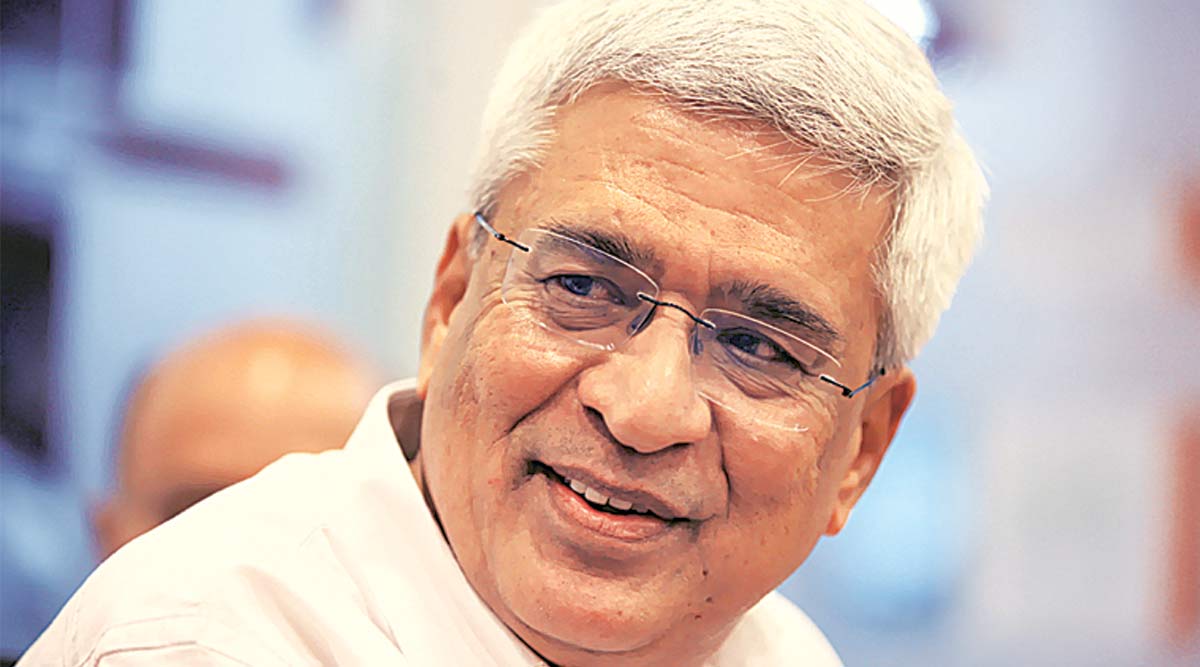 Former CPM general secretary Prakash Karat
Former general secretary of CPI-M Prakash Karat called the farmers’ protest of 2020-21 as the most sustained and united struggle of the peasantry in India since Independence.
Speaking about the political implications of the protest (2020-21) at an online lecture organised by the city-based Foundation for Agrarian Studies (FAS) on February 17, he pointed out that the agitations against the three farm laws started in Punjab, Haryana, and Western Uttar Pradesh — the areas which are agriculturally developed and where farmers have historically received state support.
“The Acts elicited a huge response from farmers, particularly those directly affected by the APMC Amendment Act. These laws were also challenged by those who feared that this was the first step towards the abolition of minimum support prices (MSP), which farmers in many parts of India see as the last line of protection from income collapse. The Central Government and the ruling party adopted various tactics to divide farmers, the peasantry faced all this with great courage and determination. Despite winter and harsh weather, peasant masses, many with families, braved repression of all kinds,” he added.
Karat clarified that the depth of the agrarian crisis over the last few decades had already led to localised struggles, and there were efforts to form a movement at the national level even before the historic protests began in November 2020.
“These struggles were able to break the barriers of region, caste, and religion. With the trade unions joining forces, the movement gained further strength. The Left played an instrumental role in sustaining the farmers’ protest and forging a unity of the working class and Kisan movement. There was a significant participation of women from the Kisan families, and it was the first time that they were recognised as farmers. The continuous efforts by the ruling dispensation to break the unity of the farmers were courageously faced, and defeated by the movement. This, however, was achieved at the cost of great sacrifices, including the loss of 715 lives,” he said.
In the event moderated by Madhura Swaminathan, Professor and the head of Economic Analysis Unit at the Indian Statistical Institute, Karat said that the movement was successful in building a united struggle against neo-liberalism, and growing corporate control of the Indian economy.
“Many political parties that were either supporters of growing privatization of the economy, or fence-sitters, were forced to change their stance. The movement also led to the isolation of the Bharatiya Janata Party (BJP), particularly in Punjab, and in parts of Western Uttar Pradesh. The geographical location of the protest was also politically significant. The mass upsurge around the capital was difficult to ignore for the ruling party at the Centre,” he elaborated.
Turning to the questions of class politics in rural India, Karat clarified that the success of the movement has not changed the structural relations of production in Indian villages. “Notwithstanding the growing strength of the organised Kisan movement, it is still largely confined to the interests of landowning farmers. It is, therefore, necessary for the Left to orient the Kisan Movement towards the demands of the poor peasants and agricultural workers,” he added.
Stay updated with the latest - Click here to follow us on Instagram