Journalism of Courage



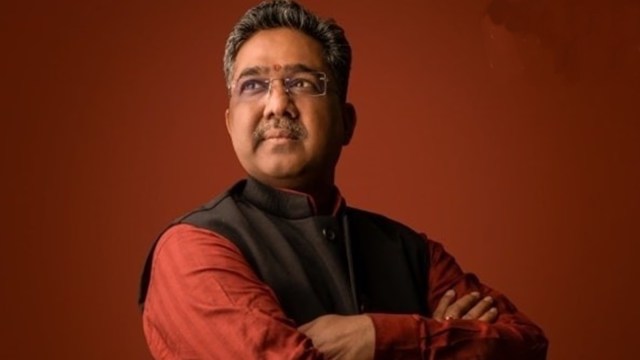 BJP National General Secretary Sunil Bansal (Image: Facebook)
Stressing on the need for a ‘One Nation One Election’ policy to make India a world leader, BJP National General Secretary Sunil Bansal on Thursday said that frequent elections slow down the pace of development of the country and act as a speed-breaker.
The BJP leader was in Surat to attend a private event on Thursday. He also met textile traders from Rajasthan and discussed with them issues faced by the industry.
Bansal, accompanied by Surat District Government Pleader Nayan Sukhadwala, Southern Gujarat Chamber of Commerce and Industry (SGCCI) president Vijay Mewawala and industry players attended a session on the topic of ‘One Nation One election’ and its impact on the industries, at SGCCI. Businessmen from textile, diamond and other sectors attended the event.
Bansal said, “Due to frequent elections, the country is always in election mode that … affects the development works in the country as (frequent elections) act as a speed breaker…the pace of development of the country slows down. While the policies are made for the benefit of trade and industry and the welfare of the people, they experience paralysis. The government and its officials are only busy with election work. ‘One Nation One Election’ will also increase the participation of voters. Currently, only 60 per cent people vote.”
“Over 1 crore government officials, including teachers, are engaged in election duties. This also affects the education of students. The election department spends Rs 1,400 behind a single vote. Apart from this, there are expenses incurred by political parties (on votes). ‘One Nation One Election’ will reduce politics and speed up development,” he said.
“A developed and powerful India has to lead the world. Hence, it is essential to remove various speed-breakers coming in the path of development, which is why ‘One Nation One Election’ is very important…”
SGCCI’s Mewawala said, “‘One Nation, One Election’ is an important and historic initiative for our democracy and the economic and political system of the country. This system aims to hold simultaneous elections, which will not only reduce administrative costs but also bring stability in the policy framework, thereby accelerating the country’s development…”
Meanwhile, Sukhadwala said, “Due to frequent elections, workers go home to vote, and their absence impacts production. With low production, there is a hike in prices, and inflation goes up. ‘One Nation One Election’ will benefit the industry…”
Batting for ‘One Nation One Election’, former SGCCI chief and current Surat BJP chief Paresh Patel said, “ When the country became independent, the first five elections were held simultaneously… we are trying to bring that back. Frequent elections have a bad impact on production, so this issue applies to politicians, industrialists, traders and citizens.”

 3 min read