3 min read

© The Indian Express Pvt Ltd



 Emphasising the importance of smooth access to key minerals for MSMEs, head of think tank GTRI, Ajay Srivastava, said that lead is central to batteries used in vehicles, telecom towers, UPS systems and solar-storage units.
The Ministry of Mines on Friday revoked seven more quality control orders (QCOs) on key minerals, including nickel, copper and aluminium, after months of push back by the domestic industry. This came a day after 14 QCOs ranging from chemical intermediates, synthetic fibres to polymer resins that were adversely impacting the textile sector supply chain were rolled back in the backdrop of steep US tariffs hurting exports of labour intensive sectors.
While an unreleased Niti Aayog report had pointed out that a majority of QCOs are impacting raw materials, intermediates, or capital goods rather than finished consumer products, the top metals trade associations had dragged the Centre to court earlier this year over QCOs on copper cathodes, stating that they led to shortages and were not in the public interest.
The implementation of QCOs restricts the import, manufacturing, distribution or sales of products covered under the QCO without a Standard Mark, except under a valid License from the Bureau of Indian Standards (BIS).
A petition filed by Bombay Metal Exchange and the Bombay Non-ferrous Metals Association on March 18 had urged the Bombay High Court to “quash” the QCO for the “survival” of downstream users, The Indian Express had reported in April.
The Mines Ministry had notified the QCO on August 31, 2023, to restrict the import of substandard refined copper.
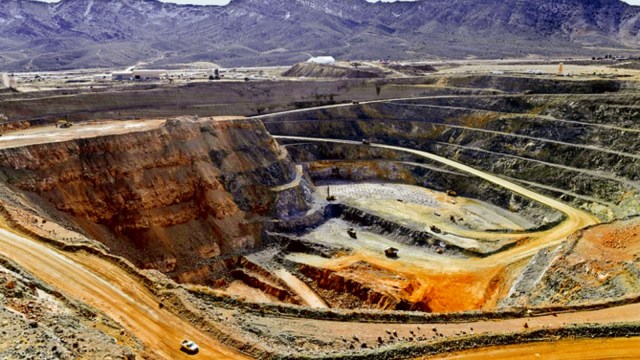
In India, copper is classified as a critical mineral due to its limited domestic production and high demand in conventional and emerging technologies – ranging from air conditioners and transformers to electric vehicle (EV) batteries and wind turbines.
Emphasising the importance of smooth access to key minerals for MSMEs, head of think tank GTRI, Ajay Srivastava, said that lead is central to batteries used in vehicles, telecom towers, UPS systems and solar-storage units.
“Removing the QCO restores smoother access for battery makers and recyclers, stabilising input costs in a market where energy-storage demand is growing. India has no primary nickel production and relies entirely on imports. The QCO was effectively unenforceable and risked choking supplies needed for stainless steel, alloy steel and high-precision aerospace components. Rolling it back protects access to global nickel markets that feed defence manufacturing, petrochemicals, electronics and advanced engineering,” he said.