


© The Indian Express Pvt Ltd
Tags:


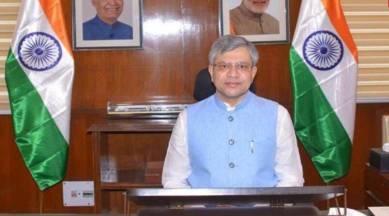
Stipulating that only four months have passed since the programme to invite semiconductor manufacturers to set up base in India was launched, Minister of Electronics & Information Technology Ashwini Vaishnaw told Soumyarendra Barik in an interview that a decision as complex as setting up semiconductor manufacturing has a timeframe of 2-3 years and as India’s ambitious scheme progresses, more global names are expected to come in. He also spoke about how the government plans to encourage domestic manufacturers to build capacity in this space. Edited excerpts:
Certain big names from the semiconductor space are still missing from the programme, they are yet to apply. Is there a push to make the scheme more attractive for them?


Apart from the global majors, are you exploring to encourage more companies from within the country?
Our programme had space for both large and mid-sized companies, along with creating talent in the space. The larger ones have completed the application process, medium companies, including many Indian ones, are submitting their applications, many of them are in the advanced stage; it’s an open process. Design companies have shown a fabulous response — we have excellent responses from innovators, youngsters, and startups, in line with the expectations.
Apart from the financial incentives you have offered in the semiconductor scheme, could there be, in the future once things are up and running, other benefits?
Prime Minister Narendra Modi very clearly said that this is a 20-plus year plan. This is something which will be the foundation of the economy. For this generation, this is as essential as we considered electricity 20 years back. So it is going to be a long-term programme and as we learn from this first programme, we will tweak it and take it forward.
Newsletter | Click to get the day’s best explainers in your inbox
Could there also be some restrictions on importing certain kinds of raw materials or end products for that?
There is already a policy of giving preference to make in India. So as and when we start the production, we will tweak that policy accordingly.
There have been reports that a new Data Protection Bill would be formulated. Do you have any comments on that?
The entire process has gone through a very detailed process. The data protection principles are very clearly set out in the world. Starting from GDPR (General Data Protection Regulation) as the first journey, there are so many countries (that have worked on it). So can we make new principles?


