Journalism of Courage
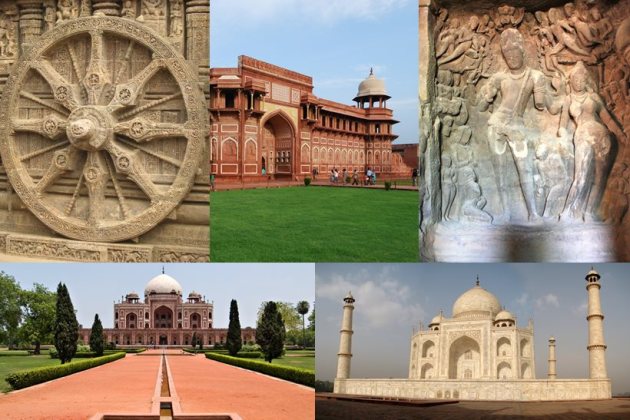
At present, India has 32 cultural and natural sites on the World Heritage List, but as many as 46 sites, including Indian cities, monuments, archaeological sites, feature on UNESCO’s tentative list. This is a mandatory requirement before a site is finally considered for the nomination. Most of us are familiar with the line-up of India's World Heritage List, but which are the contenders? From the cities of Delhi and Jaipur, to the temples of Binshupur and Harimandir Sahib, the list actually consists of many names that may come as a surprise that they're not UNESCO sites already. Here are 15 of them. (Source: Whc.unesco.org)
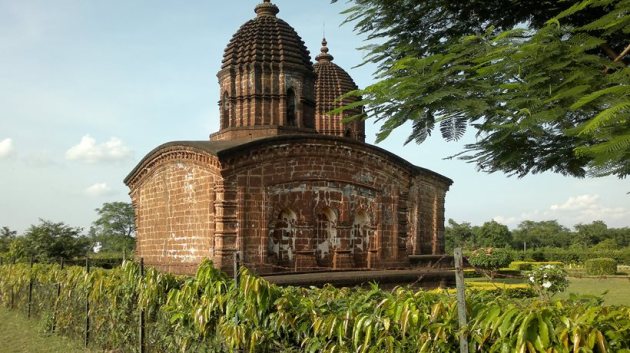
Temples at Bishnupur, West Bengal: Built in bricks and also in laterite, the temples at Bishnupur are mostly of Eka-Ratna type with a single tower upon a sloping roof and a square cell (Garbhagriha) flanked by a porch on each side with three multicusped arches (i.e. Lalji, Kalachand, Radhashyam, Jormandir and Nandalal). Besides these there are a few with multiple towers of Pancha Ratna types (Shyam Rai of A.D. 1643). The Jor Bangle temple (A.D.1655) bears a distinctive character with two Dochala structures joined together by a Charchala Sikhara at the top. The Rasmancha (A.D.1600) represents a singular architectural style with a pyramidal roof standing on a spacious laterite plinth. The sanctum is enclosed by three successive circomambulatory galleries. (Source: Bishnupur.wordpress.com)
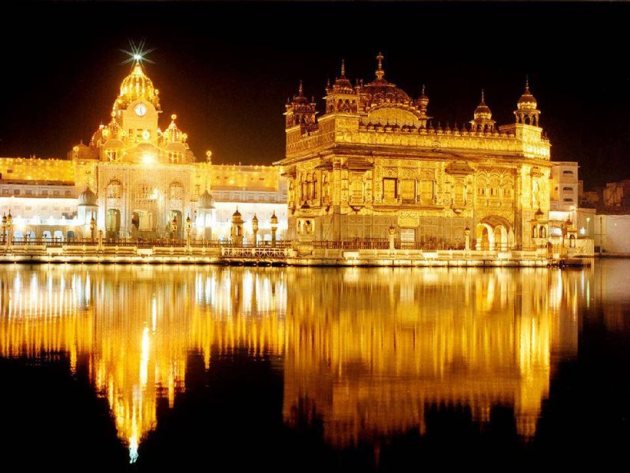
Sri Harmandir Sahib, Amritsar in Punjab: Sri Harmandir Sahib (The abode of God), also Sri Darbar Sahib, and informally referred to as the Golden Temple, is the holiest Gurdwara of Sikhism, located in the city of Amritsar. Amritsar (literally, the tank of nectar of immortality) was founded in 1574 by the fourth Sikh guru, Guru Ram Das. The fifth Sikh Guru, Guru Arjan, designed the Harmandir Sahib to be built in the center of this holy tank, and upon its construction, installed the Adi Granth, the holy scripture of Sikhism, inside the Harmandir Sahib. The Harmandir Sahib complex is also home to the Akal Takht (the throne of the timeless one, constituted by the Sixth Guru, Guru Hargobind). While the Harmandir Sahib is regarded as the abode of God's spiritual attribute, the Akal Takht is the seat of God's temporal authority. (Source: Vinish K Saini/Flickr)
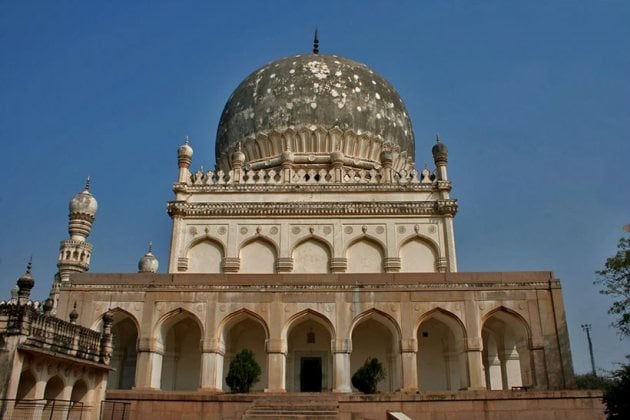
The Qutb Shahi Monuments of Hyderabad Golconda Fort, Qutb Shahi Tombs, Charminar: Located in the city of Hyderabad, capital of the state of Andhra Pradesh, Golconda Fort, Qutb Shahi Tombs and Charminar are the landmarks that symbolize the Qutb Shahi Dynasty. Golconda Fort lies 11 km to the west of city of Hyderabad, while the Qutb Shahi tombs are a further kilometre north-west of the Fort. Charminar is located in the heart of the old city of Hyderabad. (Source: JM Garg/Creative Commons)
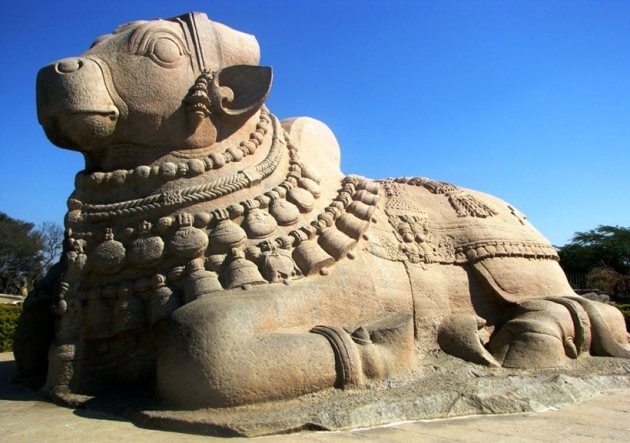
The Glorious Kakatiya Temples and Gateways: The three proposed serial sites have a common linkage characteristic of Kakatiyan kingdom with Tank, Temple and Town as an example for Creative masterpieces, interchange of cultural values and unique testimony to Kakatiya Cultural Tradition. Though the three edifices may give isolated view of their role of the period, invariably the water tanks (water conservation structures) resulting in raise of Towns flourished with temples and knitted to each other. (Source: Creative Commons)
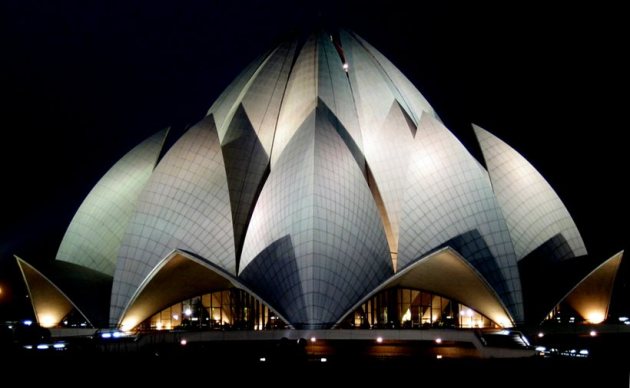
Bahá'í House of Worship at New Delhi: The Baha’i House of Worship at New Delhi stands in testimony to the efforts of the Baha’is community of Indian subcontinent towards the promotion of communal harmony. An independent worldwide religion, the Baha’i Faith recognizes the unity of God, the unity of all religions, and the unity of mankind. A true cross-section of humanity, adherents of the Baha’i Faith, who currently number about six million globally, come from virtually every nation, ethnic group, culture, profession and socio-economic class. (Source: Creative Commons)
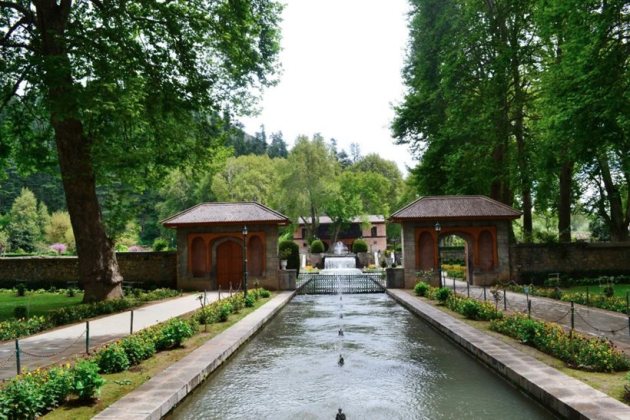
Mughal Gardens in Kashmir: This comprises six gardens in Kashmir that are generally categorised as Mughal Gardens, which have evolved from their earliest prototypes like the Humayun's Tomb Gardens and thus are representatives of Mughal Gardens in their highest state of development. These gardens therefore, apart from being of exceptional beauty, are important and irreplaceable physical evidence to the understanding of Mughal Garden evolution and culmination. As key examples of this tradition these gardens are also an outstanding and irreplaceable resource for the understanding of garden history in general and the Mughal Period in India. The spectacular, mountainous natural settings, within which all of these gardens are laid, are perhaps impossible to be found in any of the other Mughal Gardens of India. (Source: Shaurya/Creative Commons)
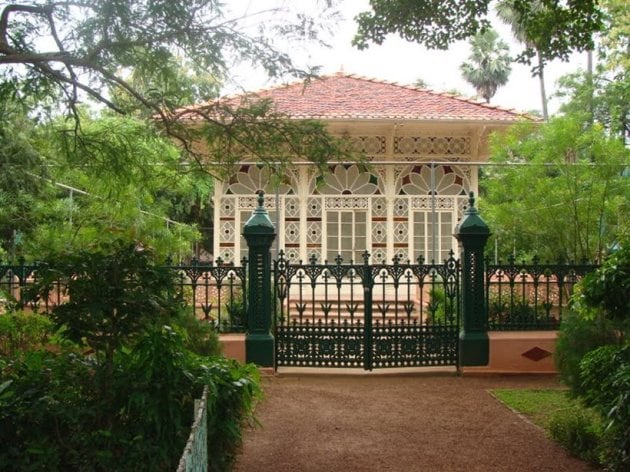
Santiniketan, West Bengal: Santiniketan, popularly known today as a university town, a hundred miles to the north of Kolkata, was originally an ashram built by Debendranath Tagore, where anyone, irrespective of caste and creed, could come and spend time meditating on the one Supreme God. It is considered to be a hallowed spot and prayer services are held here on very special days. Rabindranath, too, like his father before him would sit in meditation here, under the chhatim trees during sunset.In 1922, Visva Bharati was inaugurated as a Centre for Culture with exploration into the arts, language, humanities, music and these are reflected in diverse institutes that continue in their educational programmes, which are based on the founding principles of excellence in culture and culture studies. (Source: Creative Commons)
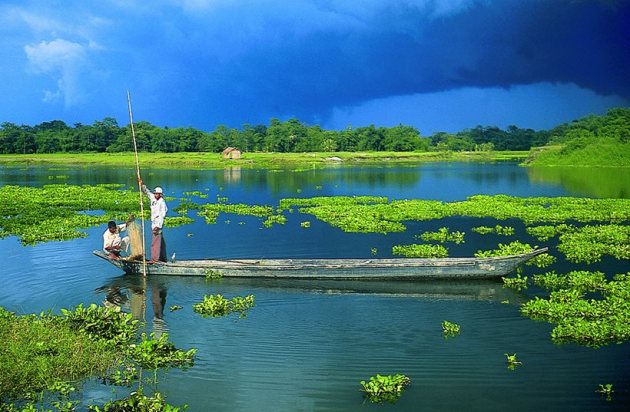
River Island of Majuli in midstream of Brahmaputra River in Assam: The geographical region of Majuli is North-East of India, which has seven states - Arunachal Pradesh, Assam, Mizoram, Manipur, Tripura, Meghalya are a part of the greater sub llimalyan Region. The island situates itself is in the state of Assam, mid-stream of the Great male river Brahmaputra river, which is also one of the largest rivers in the world. It is a part of the vast dynamic river system of Brahmaputra basin with a total length of 2706kni and a catchment area of 5,80,000 sq km. The Majuli Island is a fluvial landform (a riverine delta), a unique geographical occurrence and a result of the dynamics of this vast river system.The island itself extends for a length of about 80km. (Source: Kalai-Sukanta/Creative Commons
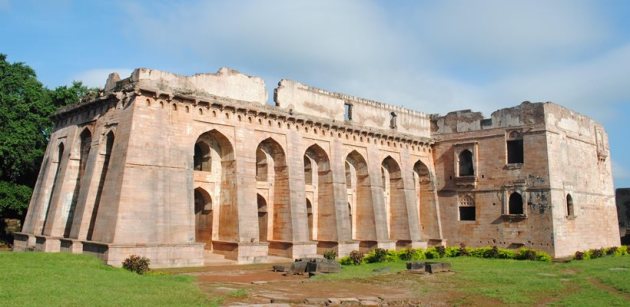
Group of Monuments at Mandu in Madhya Pradesh: The group of monuments of Mandu are situated about 42 km south-east of Dhar, 112 km south-west of Indore and 300 km south-west of Bhopal, the capital of Madhya Pradesh. There are 61 monuments including fort wall protected and declared as monuments of national importance. (Source: Wikimedia Commons)
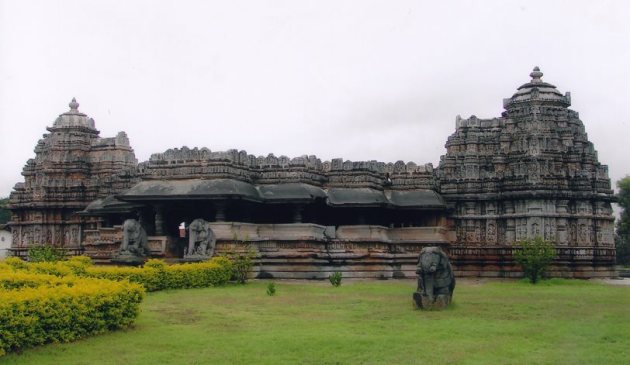
Sacred Ensembles of the Hoysala: The Hoysala era is one that contributed enormously to the development of several creative fields as well as spiritual and humanistic thought. During their reign, the Hoysalas built more than 1500 temples all across their empire of which only a little over 100 survive today. The ‘Sacred Ensembles of the Hoysala’ represents the pinnacle of artistic and cultural accomplishments of the Hoysala Empire that reigned from the 11th to the 14th Centuries CE largely in present day Karnataka in southern India. The properties also represent a cultural value and respect for the pluralistic spiritual beliefs of Vaishnavism, Shaivism, and Jainism and contributed to their development. The sacred and the spiritual intersected with ordinary people and daily lives in numerous ways. (Source: Creative Commons)
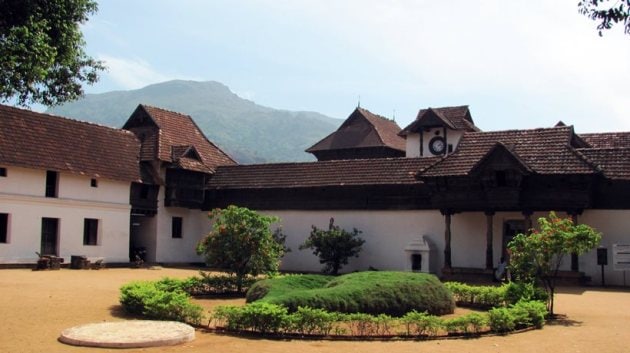
Padmanabhapuram Palace in Kerala: Padmanabhapuram Palace is a remarkable 16th Century CE wood palace of the erstwhile Maharajas of Travancore (1550 to 1750 AD) in the state of Kerala. Replete with intricate wood carvings and ornate murals, the Palace is an exceptional example of indigenous building techniques and craftsmanship in wood, a style unparalleled in the world and based on historic building system, Taccusastra (the science of carpentry) unique to this region. (Source: Creative Commons)
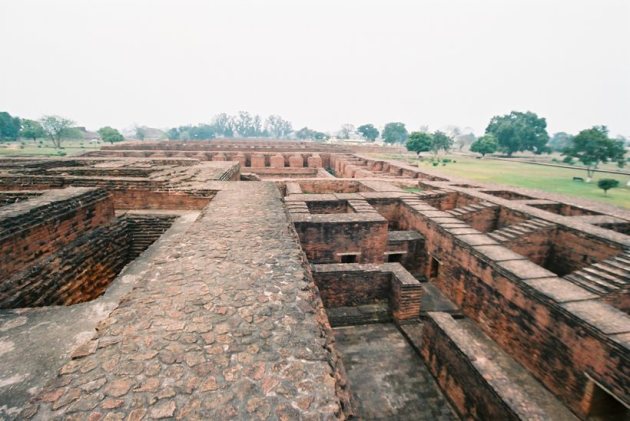
Excavated Remains at Nalanda: Nalanda has a very ancient history going back to the days of Mahavira and Buddha 6th Century B.C. According to the Jain text Mahavira spent as many as 14 rainy seasons over there. Nalanda acquired sanctity as having being the birth place of Sariputra one of the disciples of Lord Buddha. Taranath a buddhist philosopher states that Asoka worshipped at the chaitya of Sariputra and erected a temple here. Taranath also connects Aryadeva with Nalanda. Further Asanga a buddhist philosopher of great repute (5th Century A.D.) is said to have spent 12 years of his life and was succeeded by his brother Vasubandhaa as the high priest of Nalanda. (Source: Hideyuki KAMON/Creative COmmons)

Ancient Buddhist Site, Sarnath, UP: Sarnath is situated at a distance of 8 km from Varanasi easily accessible by any conveyance. There are several monuments at Sarnath which are divided into two groups. Under Group 'A' Chaukhandi Stupa and under Group 'B all other .monuments at the sites i.e. Stupas, monasteries, temples, etc. Chaukhandi Stupa is a lofty brick structure crowned with an octagonal tower. (Source: Wikimedia Commons)
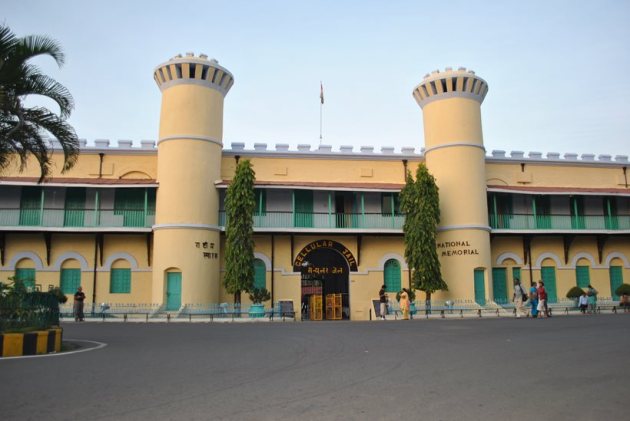
Cellular Jail, Andaman Islands: Cellular Jail is situated on South Andaman Island, one of 572 islands forming Union Territory of Andaman and Nicobar Islands in India. Inhabited since 2000 years, the islands were occupied by Europeans in the middle of 18th century. Cellular Jail is a massive three-storeyed structure with seven wings of unequal lengths, radiating from a central watch tower, shaped like spokes of a wheel. The architecture of Cellular Jail was conceptualized on the basis of ‘Pennsylvania System or Separate System’ theory in which separate confinement is necessary for each inmate for complete isolation from other inmates. The Japanese occupied the Andaman and Nicobar Islands during World War II from 1942 to 1945. Netaji Subhash Chandra Bose visited Cellular Jail as Head of the Provisional Government of India on 29th December 1943. He called it, Indian Bastille. (Source: Creative Commons)
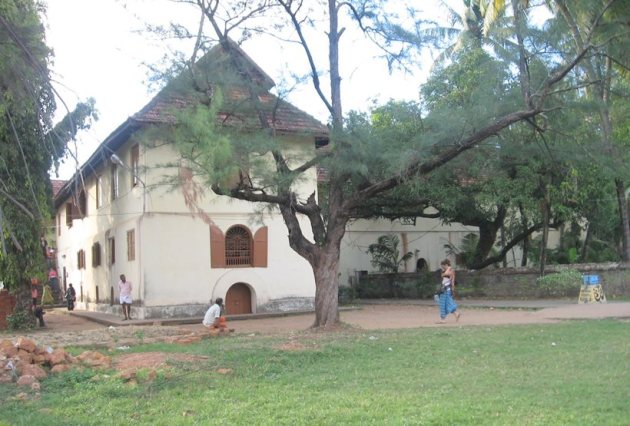
Mattanchery Palace, Ernakulam in Kerala: Mattanchery Palace was built around 1555 A.D. by the Portuguese. It is a two tiered quadrangular building consisting of long and spacious halls. The central open courtyard enshrines the tutelary diety of the royal family "Pazhayannur Bhagwati". The upper story consists of a coronation hall, bed chamber known as Ramayana room, dining hall, assembly hall and the staircase. There is also a chamber in between the first floor and the ground floor used as "harem" by the rulers. The wooden roof supported by laterite walls is covered with tiles. The first floor is formed by teak wood beams and rafters and planks. The ceiling of the first floor is unique with intricate carvings especially over the central coronation hall. (Source: Wikipedia Commons)