Journalism of Courage

For many people, sipping a hot cup of chai with a cigarette, often called chai sutta, is more than a habit; it’s a ritual that symbolizes comfort, stress relief, or social connection. (Source: Photo by unsplash)

Addiction Reinforcement Loop: Nicotine stimulates dopamine (the “feel-good” hormone), and caffeine enhances that effect. This combination can make the chai sutta habit more addictive and harder to quit. (Source: Photo by unsplash)
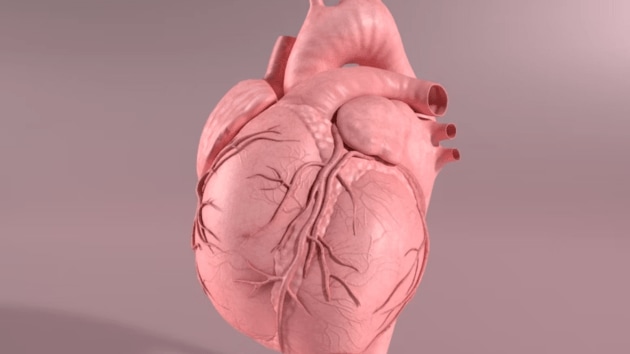
Cardiovascular Consequences: Frequent intake of nicotine and caffeine together increases oxidative stress, promoting plaque build up in arteries raising the risk of heart disease over time. (Source: Photo by unsplash)
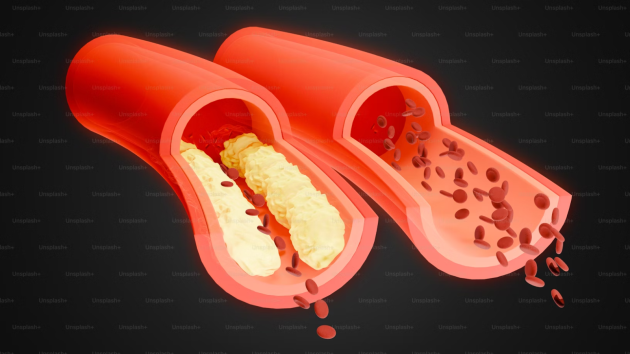
Nutrient Absorption Issues: Nicotine can interfere with the absorption of vitamins like C and B12, while tannins in tea can block iron absorption. Regular chai-sutta sessions may gradually deplete your body’s nutrient reserves. (Source: Photo by unsplash)

False Sense of Relaxation: While many claim chai-sutta helps them “calm down,” nicotine only provides short term relief from withdrawal symptoms. Once its effect fades, anxiety and irritability can actually worsen. (Source: Photo by unsplash)

Gut Health Takes a Hit: Tea can stimulate acid production, and nicotine relaxes the lower oesophageal sphincter, together increasing the risk of acid reflux, heartburn, and indigestion, especially on an empty stomach. (Source: Photo by unsplash)

Impact on Oral Health: The mix of hot tea and cigarette smoke can damage oral tissues, stain teeth, and raise the risk of gum disease and oral cancers due to chemical exposure and heat. (Source: Photo by unsplash)