

Journalism of Courage

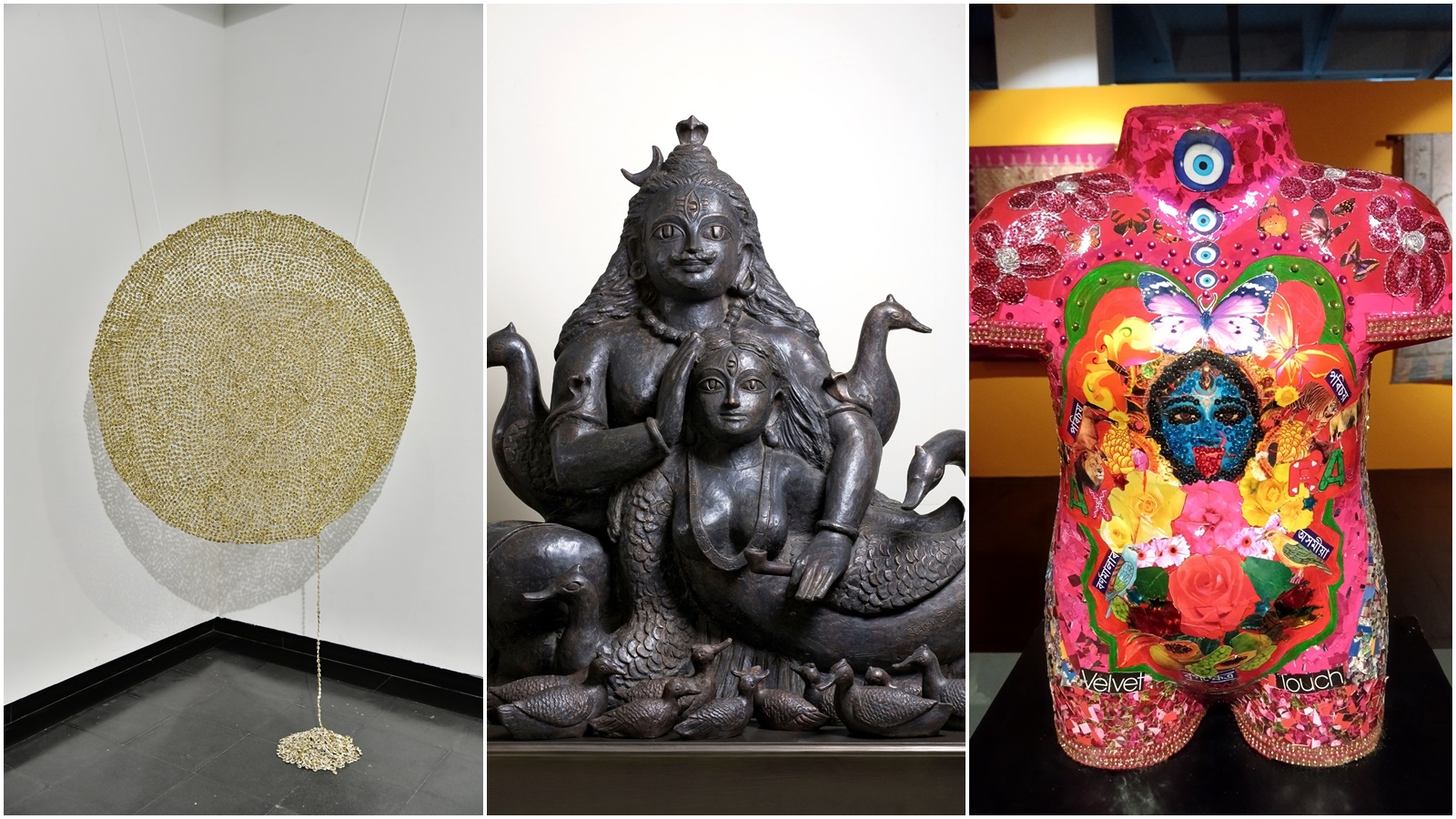
In celebration of the International Women’s Day this year, the National Gallery of Modern Art, Delhi (NGMA) has collaborated with The Museum of Sacred Art (MOSA), Belgium to present a thought-provoking exhibition. Titled ‘Shakti: Fair & Fierce’, this exhibition celebrates several facets of femininity with a focus on creativity and female empowerment. The exhibition features work by over 55 women artists and has been curated by Sushma K Bahl. It is open to the public till 31 March. (Image credit: Museum of Sacred Art (MOSA), Curator: Sushma K Bahl)
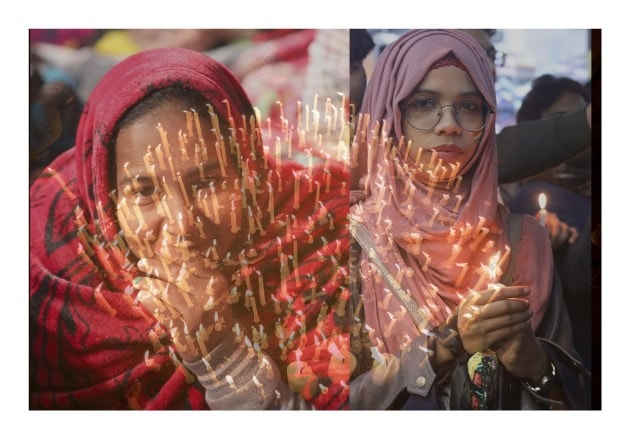
Captured by Sadiya Kochar, these stills tell the story of rural Kashmiri women who are seen lighting candles to remind themselves of the possibility of attaining happiness in their lives that are otherwise replete with struggles. Titled ‘Fire Within and Without’, the photographs aim to showcase the daily struggles of women who face violence and are forced to adhere to the norms set down by an orthodox society. (Image credit: Museum of Sacred Art (MOSA), Curator: Sushma K Bahl)

In Hinduism, Goddess Kali is the epitome of female strength and fierceness. This is represented in Seema Kohli’s exquisite multi-media art piece based on the theme of ‘creation and procreation’. (Image credit: Museum of Sacred Art (MOSA), Curator: Sushma K Bahl)
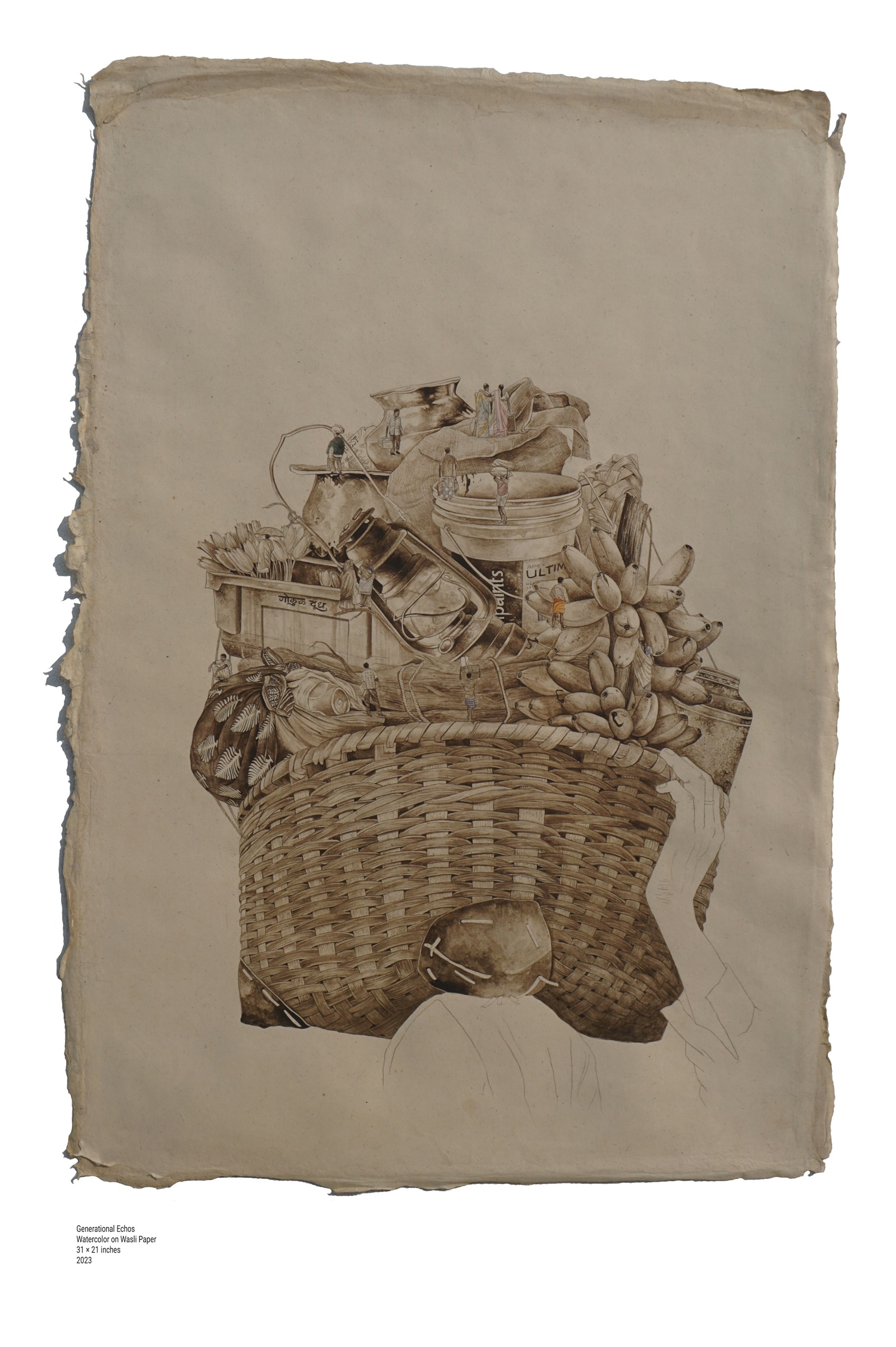
Documenting her own experiences as a woman who left the familiar for the unfamiliar, Keerti Pooja paints the outcome of her journey on Wasli papers signifying the heavy baggage women like her carry every day. (Image credit: Museum of Sacred Art (MOSA), Curator: Sushma K Bahl)
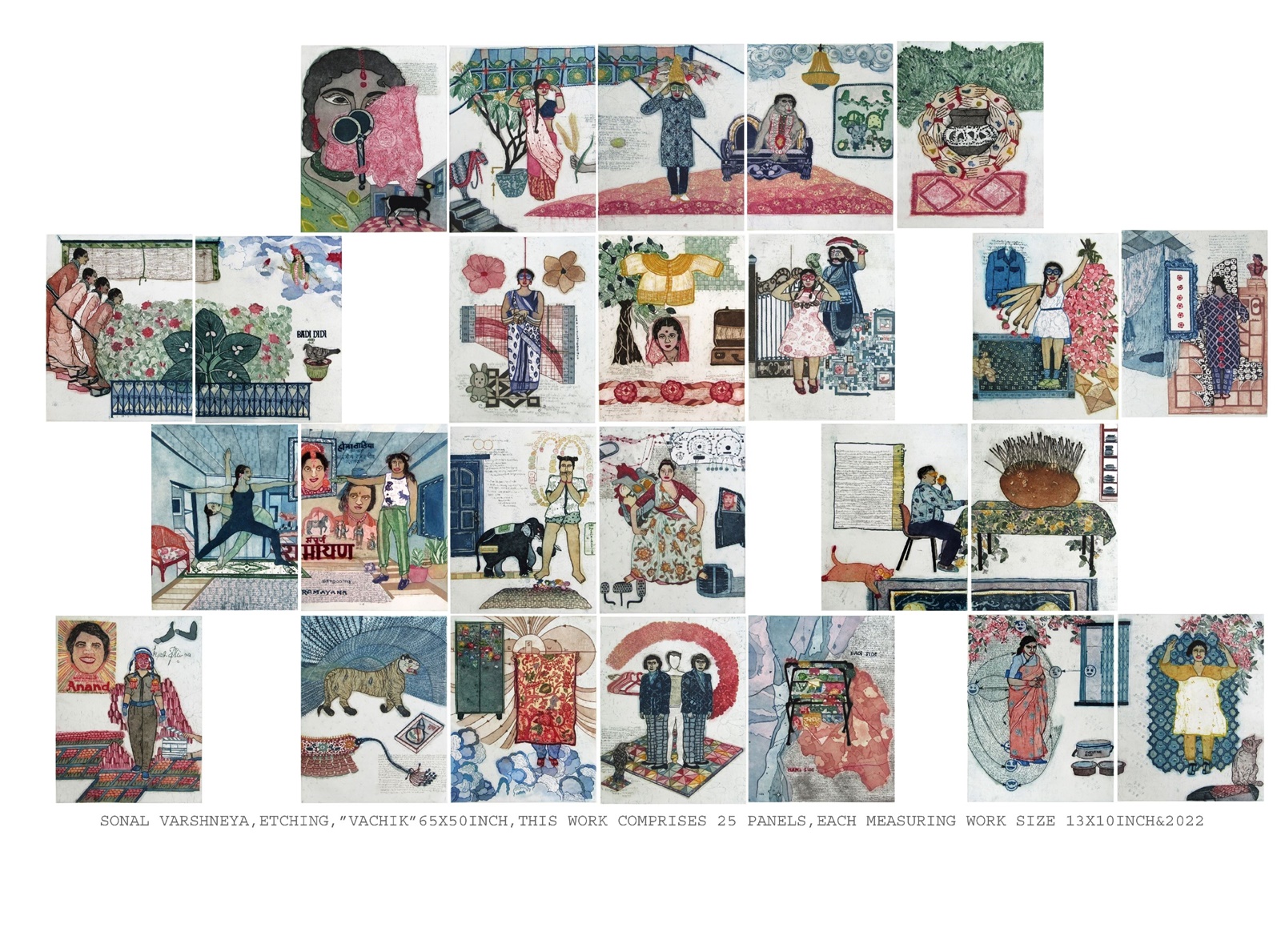
Sonal Varshneya’s work is a tale of young girls who have grown up in middle class families with family bonds and festive occasions being key aspects of their lives. The closeness of a mother-daughter relationship is detailed in this piece interwoven with other aspects of family life in India. (Image credit: Museum of Sacred Art (MOSA), Curator: Sushma K Bahl)
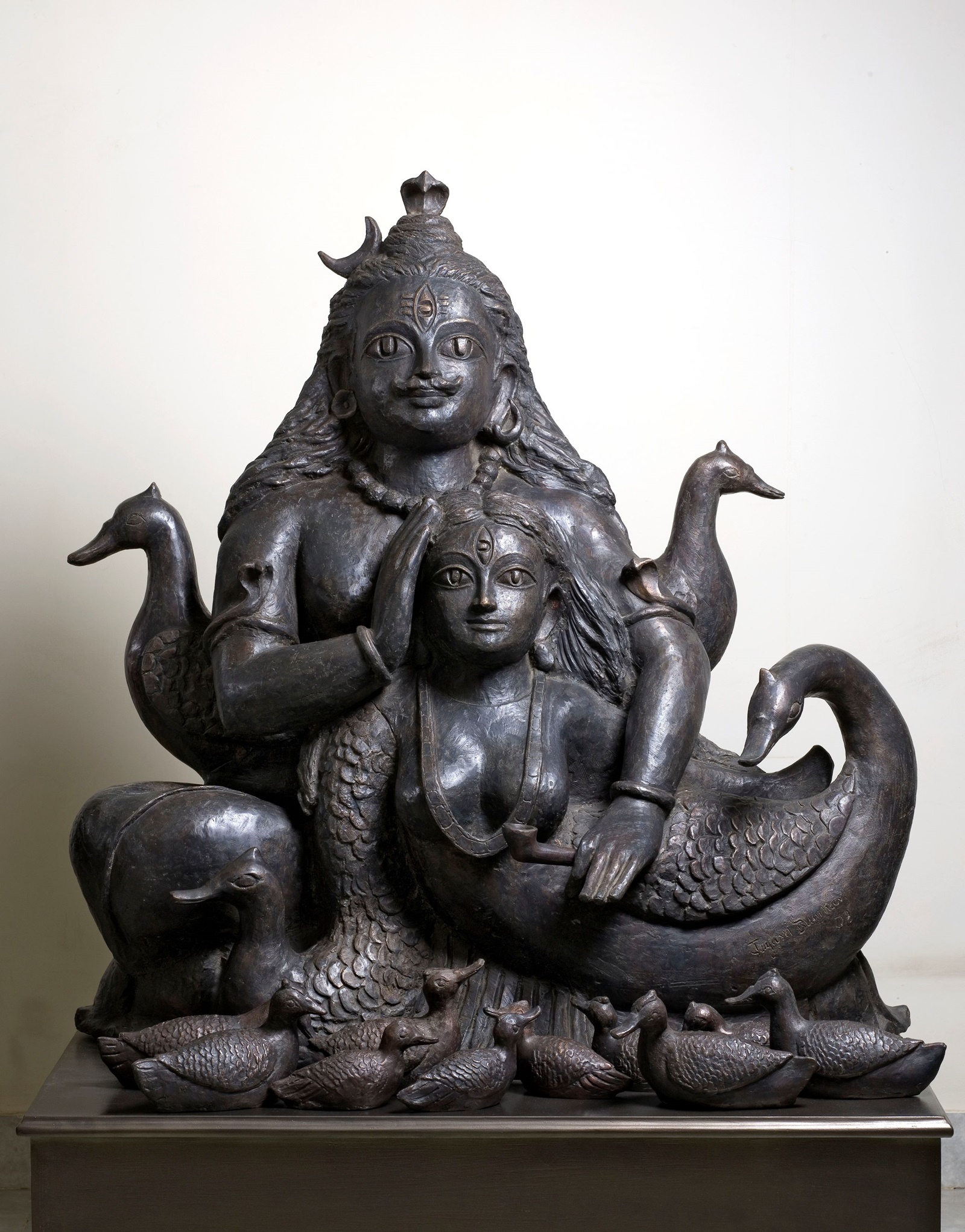
An ode to the love shared between Shiva and Parvati, Jayasri Burman’s work brings forth the idea of balance that is maintained by the divine masculine and feminine. Shiva’s indestructible powers work in tandem with Parvati’s generosity and kindness to maintain universal harmony. (Image credit: Museum of Sacred Art (MOSA), Curator: Sushma K Bahl)
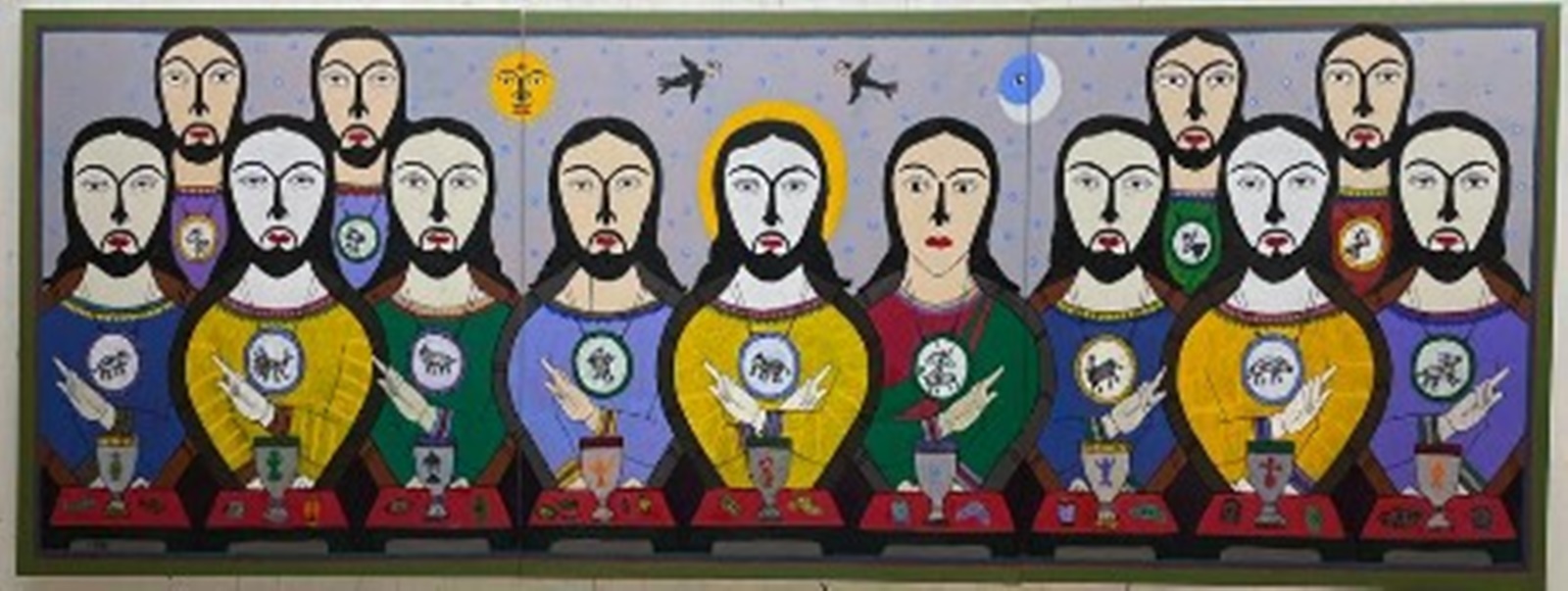
A unique take on Leonardo Da Vinci’s world renowned painting – ‘The Last Supper’, Madhvi Parekh stresses the importance of women in the society through her artwork. Depicting the face of a woman watching over Jesus and his male disciples with piercing eyes from above, the artist has included several interesting details, giving the age-old story a feminine take. (Image credit: Museum of Sacred Art (MOSA), Curator: Sushma K Bahl)
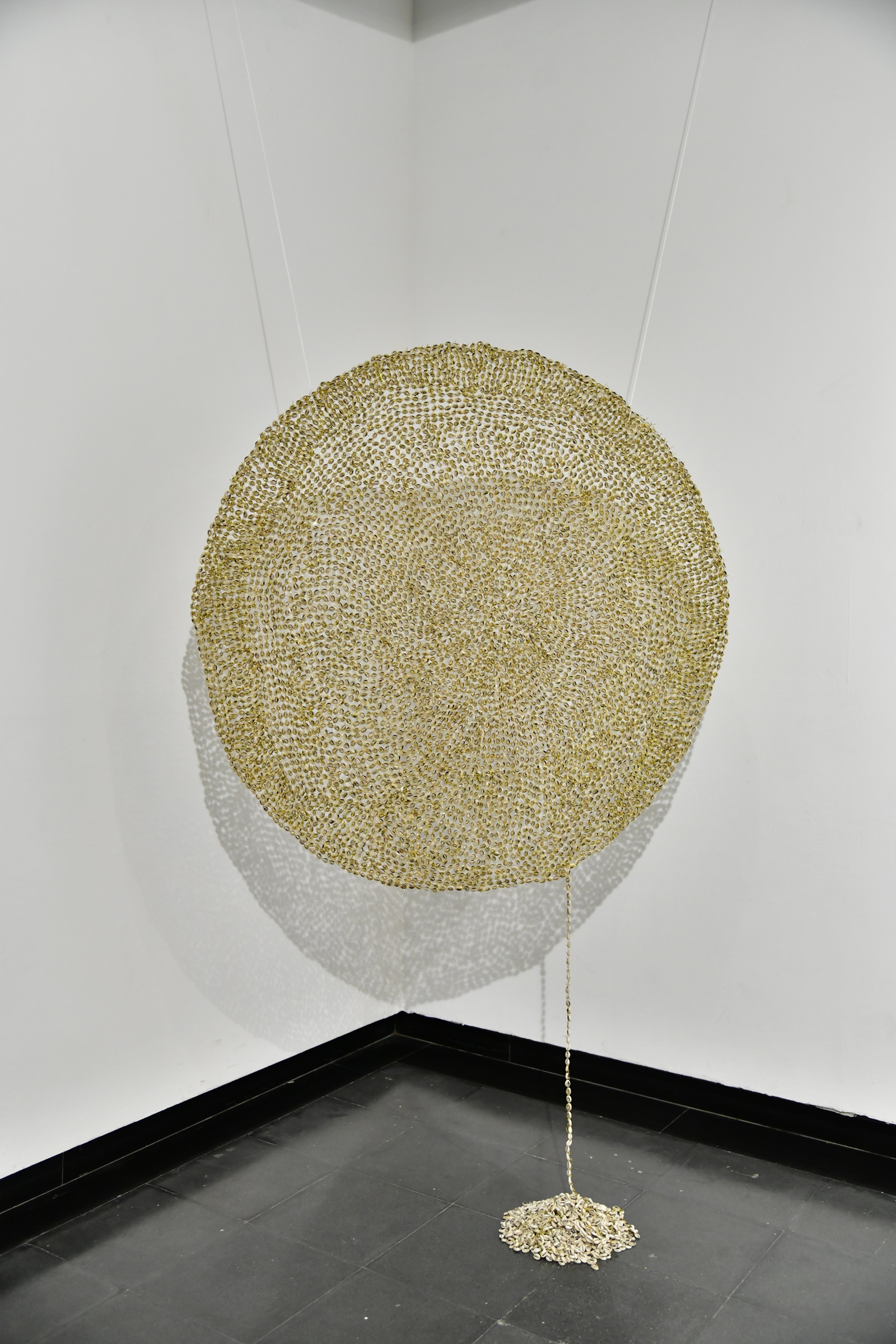
A unique take on Leonardo Da Vinci’s world renowned painting – ‘The Last Supper’, Madhvi Parekh stresses the importance of women in the society through her artwork. Depicting the face of a woman watching over Jesus and his male disciples with piercing eyes from above, the artist has included several interesting details, giving the age-old story a feminine take. (Image credit: Museum of Sacred Art (MOSA), Curator: Sushma K Bahl)
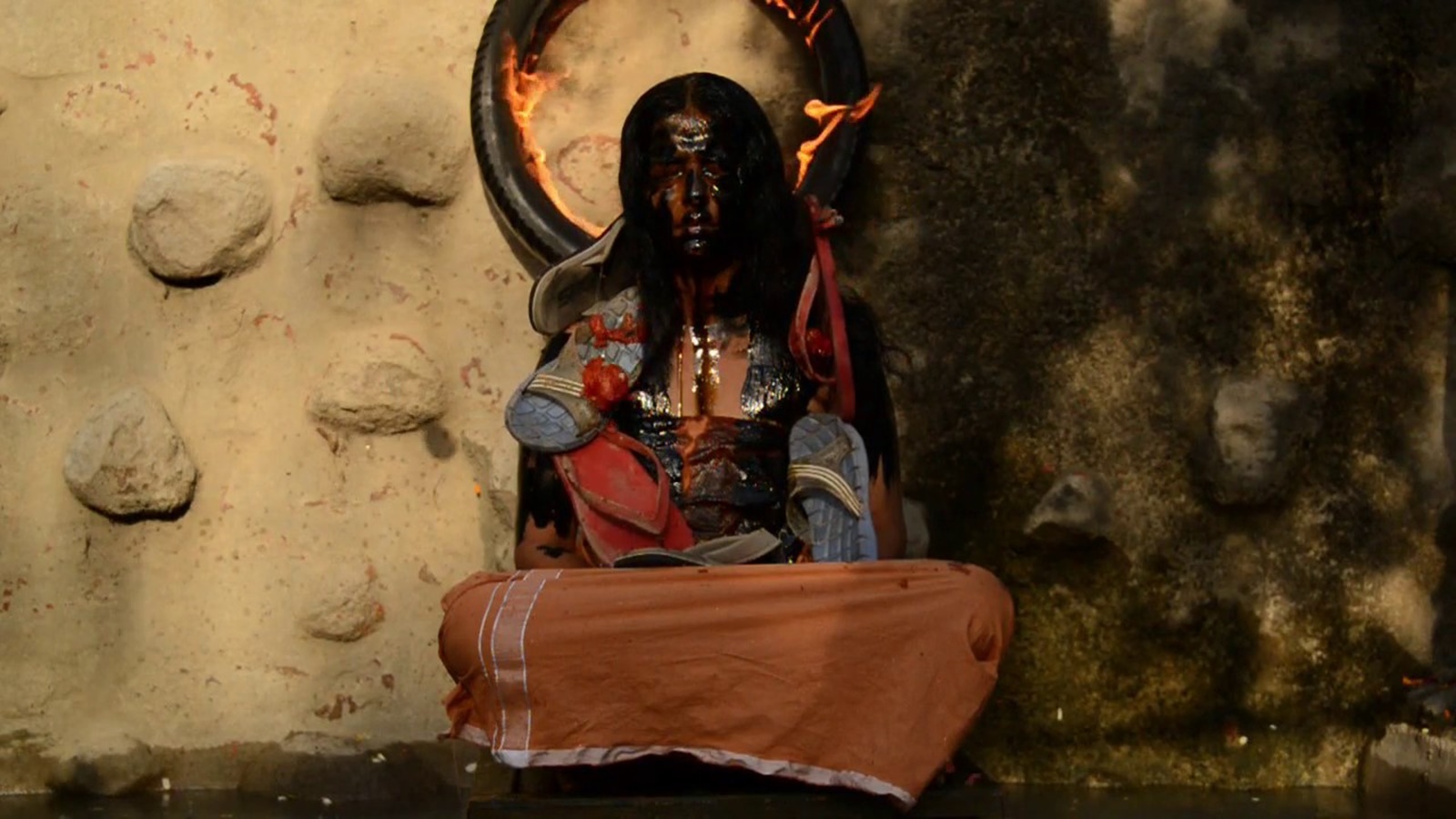
Representing women power and strength, having the qualities of both ferocity and gentleness, this imagery takes inspiration from common folktales. The artists add a personal touch by reflecting on their ideas of the society, economy and culture. (Image credit: Museum of Sacred Art (MOSA), Curator: Sushma K Bahl)
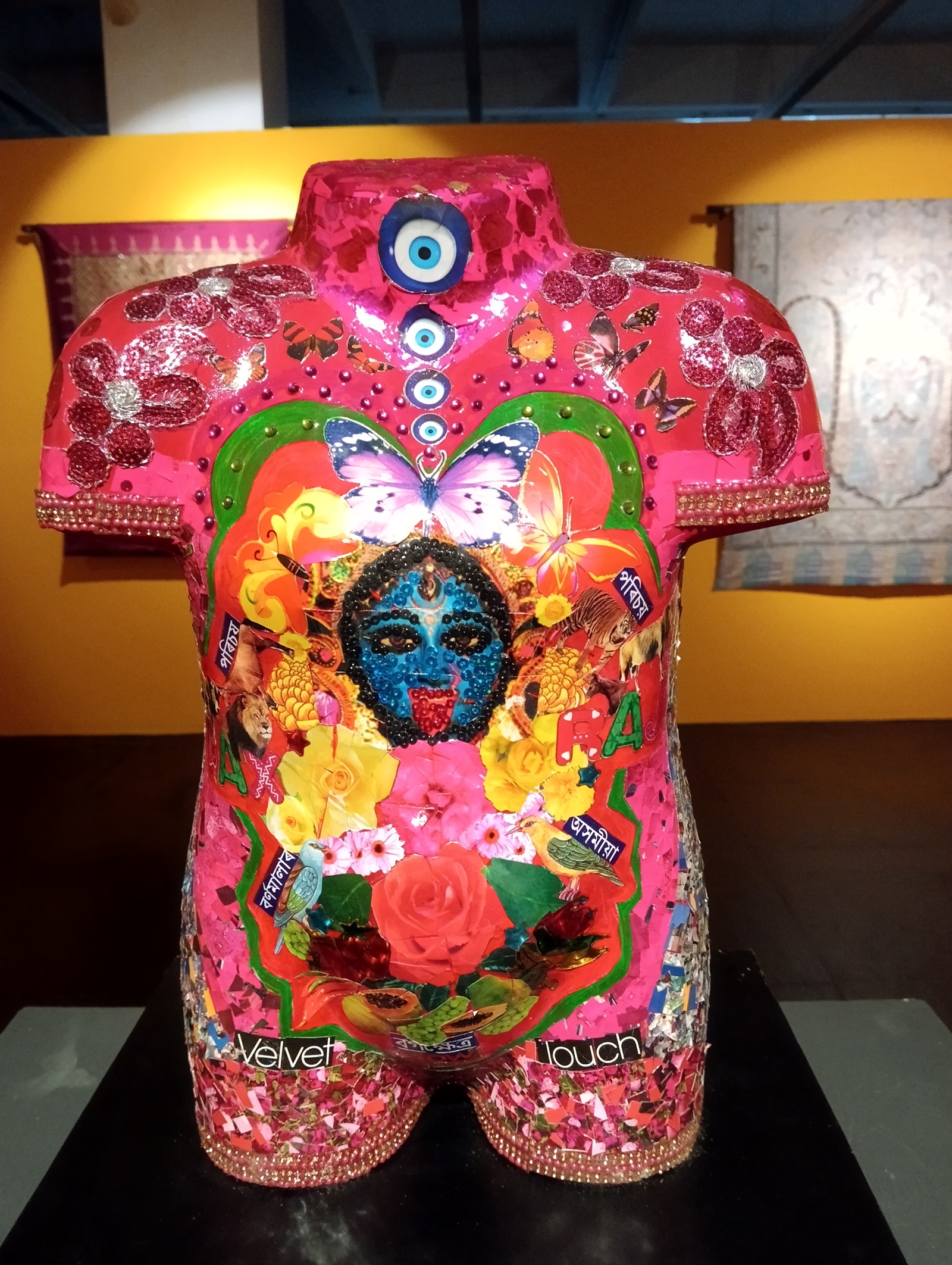
This sculpture represents a woman's torso and is inspired by Mexican painter Frida Kahlo. It challenges the male gaze and the idea of women being merely seen as pleasurable objects for men. (Image credit: Museum of Sacred Art (MOSA), Curator: Sushma K Bahl)
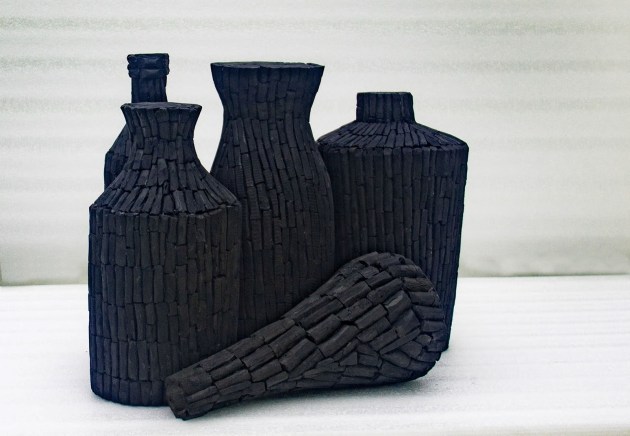
Crafted using charcoal, Shantamani’s use of jars that are used to contain the ashes of the dead after cremation represent the importance of starting afresh in life as well as the insignificance of violence. (Image credit: Museum of Sacred Art (MOSA), Curator: Sushma K Bahl)


