


Stay updated with the latest - Click here to follow us on Instagram
Tags:


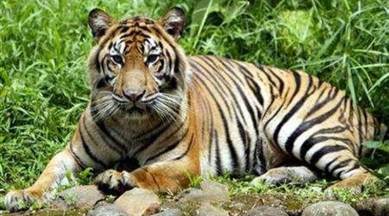
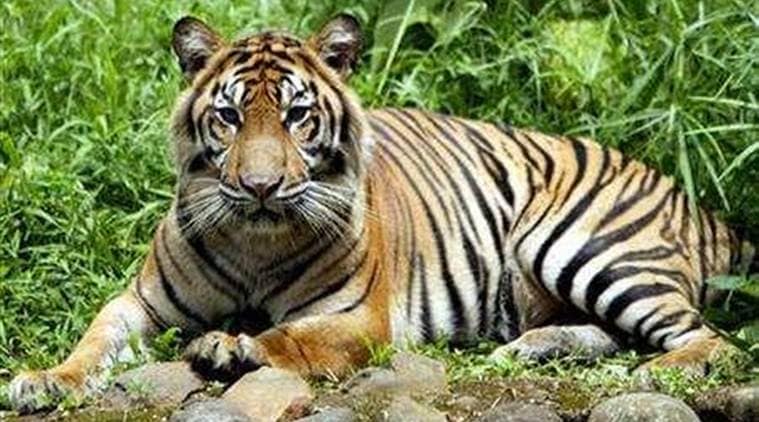
The population of Sumatran tigers – a critically endangered species found only on the Indonesian island of Sumatra – may have increased despite living in a threatened UNESCO World Heritage Site, a study suggests. The Sumatran tiger (Panthera tigris sumatrae) is the only extant sub-species of ‘Island tigers’, which includes the now-extinct Javan and Bali tiger.
This sub-species is genetically distinct from the other six sub-species of continental tigers. Researchers, including those from Wildlife Conservation Society (WCS), set 123 camera traps over a 1,000 square kilometre forest block located in a protection zone at the Bukit Barisan Selatan National Park in Indonesia.


“Our study not only looks at population condition, but also used the photographs to assess the threat of people illegally entering the park,” said Pusparini. “This increasing population trend in Sumatran tigers is a dream come true for all conservationists in Indonesia,” said Noviar Andayani, WCS-Indonesia Country Director.
“I appreciate the work of the park authority and our field team for their efforts in not only protecting tigers and their habitat, but also collecting robust research data to demonstrate this trend and ensure that in the coming years, the UNESCO Tropical Heritage of Sumatra can be removed from the ‘in danger list’,” said Andayani.
Sumatran tigers face many challenges to their continued existence in the wild, where they require a home range of 25,000 hectares. These include being poached for their skin, bones and other body parts, involvement in conflict with people, a depleted prey base, and habitat loss.


Stay updated with the latest - Click here to follow us on Instagram


