


© IE Online Media Services Pvt Ltd
Tags:


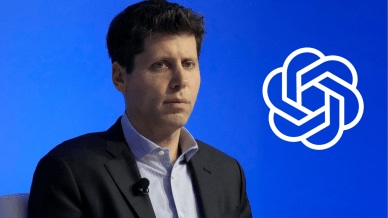
In a move that could be intended to spur greater innovation internally, OpenAI has reportedly told its employees that they do not have to wait for six months before their equity vests.
The ChatGPT maker has ended its “vesting cliff” policy in order to incentivise its staffers to take more risks without worrying about being laid off before they earn their first equity in the $500 billion-dollar AI startup, according to a report by Wall Street Journal. The announcement was reportedly made by Fidji Simo, OpenAI’s chief of applications.


OpenAI’s decision to do away with its vesting cliff policy comes after the Microsoft-backed AI startup declared a code-red situation in response to fierce competition from rivals such as Google. It also indicates that the war for top-tier technical talent within the AI industry continues to intensify.
Several major AI companies such as Meta, Google, and Anthropic have sought to woo top AI researchers with pay packages worth $100 million or more. Meanwhile, companies like OpenAI have doled out stock-based compensation in an attempt to retain their engineers and researchers.
However, tech investors have reportedly argued that ballooning stock-based compensation associated with fast-growing AI startups could eat into shareholder returns. “Companies that are needing to be more competitive are dropping the traditional first-year vesting cliff,” said Zaheer Mohiuddin, co-founder of Levels.fyi, a platform that gathers data on compensation in tech careers, was quoted as saying by WSJ.
OpenAI has reportedly given its staffers more stock-based compensation than any other tech company. It is reportedly expected to spend $6 billion this year on such costs, which amounts to almost half of its projected revenue.
In August this year, Meta escalated Silicon Valley’s talent war through aggressive hiring aiming to challenge rivals, including OpenAI, Google, and Anthropic. It launched a full-scale raid of OpenAI’s staff and reportedly offered them giant pay packages. As a countermeasure, OpenAI gave some of its top researchers and engineers a one-time bonus, with some employees receiving millions.


