4 min read
© IE Online Media Services Pvt Ltd



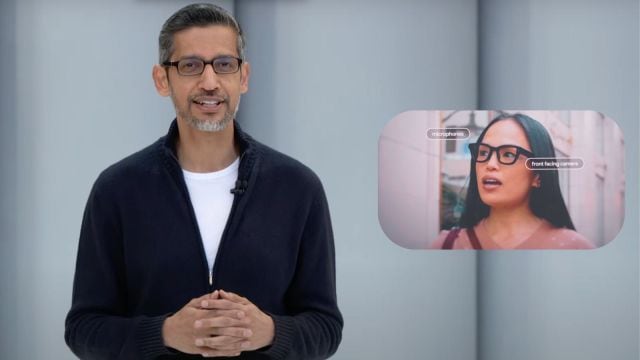 Vibe coding is coding with the help of artificial intelligence.
 Google CEO Sundar Pichai is a big fan of vibe coding, a concept that allows anyone to get into coding and build apps and websites without any prior technical knowledge.
“It’s making coding so much more enjoyable,” Pichai said during a recent Google for Developers podcast interview with Logan Kilpatrick, who runs Google’s AI Studio. “Things are getting more approachable, it’s getting exciting again, and the amazing thing is, it’s only going to get better.”
Lately, “vibe coding” has been everywhere, and many are supporting the concept, which allows non-technical workers to pick up coding with no prior background and build real projects in their free time. The term was coined earlier this year by OpenAI cofounder Andrej Karpathy, and refers to users describing a project’s goals in simple, natural language to an AI-powered coding platform like Windsurf, OpenAI Codex, or Cursor, which then writes the code. In a way, vibe coding is opening the door for non-tech workers to enter the tech world without needing a degree.
In fact, tech companies are encouraging their employees to embrace “vibe coding” and speed up the development of software features, allowing them to ship updates as quickly as possible with the help of artificial intelligence. Earlier this year, Microsoft CEO Satya Nadella said that as much as 30 per cent of the company’s code is now written by artificial intelligence. Pichai also said that more than 25 per cent of new code is written by AI.
Since OpenAI debuted ChatGPT in late 2022, many people have turned to AI for a number of tasks, from generating sales pitches and correcting grammar to even writing software. And with tech companies now producing better reasoning models that can understand the nuances of natural language and translate that into code, this has become a key factor propelling the trend.
Pichai in the podcast said that vibe coding gives workers the power in being able to visualise ideas directly, even if they aren’t proficient enough in coding to do so. “In the past, you would have described it,” he said. “Now, maybe you’re kind of vibe coding it a little bit and showing it to people.”
As tech companies and developers embrace vibe-coding, there are some potential risks to handing over the act of coding to AI, Pichai warns. “I am not working on large codebases where you really have to get it right, the security has to be there,” he said. “Those people should weigh in.”
Pichai said that as the AI models get more better at reasoning, vibe coding will become more popular and become a part of a tech worker. “It’s both amazing to see, and it’s the worst it will ever be,” he said. “I can’t wait to see what other people in the world come up with it.”
Now, whether the hype around “vibe coding” and its impact on daily workflows will live up to expectations remains to be seen. But the industry’s largest AI players and tech companies are paying close attention to vibe coding including Google, which recently announced its latest AI model, Gemini 3. The company claims it is “our best vibe coding model ever,” with a strong focus on making the apps generated by AI look more attractive.