


Tags:


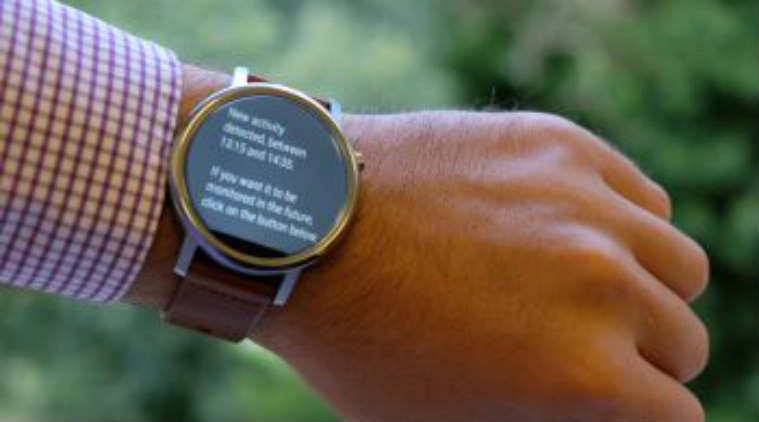
Some smartwatches for children sold in Europe pose security risks, including potentially allowing hackers to take control of and track a watch, the EU’s main consumer lobby said on Wednesday, following a new report by one of its members. The affected smartwatches, which use the Global Position System (GPS) to allow parents to track their child’s location and communicate with them through their mobile phones, do not have sufficient protection, or firewalls, to stop computer hackers, the Norwegian Consumer Council said.
The council also accused some manufacturers of violating EU data protection laws by not stating clearly the risks in their terms and conditions. “These watches should not find their way into our shops,” Monique Goyens, the director general of the European Consumer Organisation BEUC – of which the Norwegian council is a member – said in a statement. “Parents buy them to protect their children. However, they are probably unaware that instead of protecting them they are making their children more vulnerable.”


Xplora and Gator 2 were not immediately available for comment. Tinitell said in a statement its watches were not cited as a problem. BEUC said it had found similar violations of data and consumer protection laws in other toys and devices that are connected to the internet. “What we see with these connected products is they are brought to the market too quickly, and they are not in line with EU laws when it comes to privacy and security,” said Johannes Kleis, the director of the communications department at BEUC. The US Federal Bureau of Investigation warned consumers in July to be wary of using internet-connected children’s devices.


