This is an archive article published on September 15, 2019
Smartphone photography basics: What is an ultra-wide angle lens and when to use one
Smartphones like the iPhone 11, Galaxy S10 and OnePlus 7 Pro all feature an ultra-wide-angle lens. Here's a quick guide on how to use an ultra-wide-angle lens and when to use it to take excellent landscape or group shots.
An ultra-wide-angle lens is any lens with an angle of view greater than 90 degrees.
Apple is making a big deal about its ultra-wide-angle lens on the iPhone 11, iPhone 11 Pro and iPhone 11 Pro Max, the trio of new smartphones it launched earlier this week in Cupertino, California. For the first time on the iPhone, Apple is adding an ultra-wide-angle lens that has a 13nm equivalent focal length and an f/2.4 aperture, providing a 120-degree field of view.
Although the iPhone 11 is now getting an ultra-wide-angle lens, most high-end Android smartphones (Samsung Galaxy S10, Huawei P30 Pro and OnePlus 7 Pro, among others) already come with the ultra-wide camera. In fact, a lot of mid-range smartphones these days also offer an ultra-wide-angle lens. The Realme XT, the phone with a 64MP camera, also has an ultra-wide-angle lens. Motorola One Action, too, offers an ultra-wide-angle lens.
With the iPhone 11 getting a new ultra-wide-angle lens, don’t be surprised to see if the ultra-wide camera become mainstream, appearing in dozens of smartphones (both low and premium end) in 2019. Now that the ultrawide camera is on the cusp of becoming popular among smartphone users, we try to explain why it is important to use the ultra-wide camera and when to use it to take excellent landscape or group shots.
What is an ultra-wide-angle lens?
An ultra-wide-angle lens offers an angle of view greater than 90 degrees. Simply put, you can capture more of your surroundings with the ultra-wide-angle camera than you would with the regular camera available on most smartphones. A lens with a focal length of less than 24mm is considered to be an ultra-wide-angle lens. The iPhone 11’s 12MP ultra-wide lens has a focal length of 13mm and an f/2.4 aperture. Because of its large field of view (the iPhone 11’s ultra-wide camera has a 120-degree of view), an ultra-wide-angle lens captures a large part of the scene that you otherwise miss when you take the same shot with a smartphone with any ordinary lens.
What does an ultra-wide-angle lens do?
Professional photographers love to take photographs using an ultra-wide-angle lens and there is a reason behind it. An ultra-wide-angle lens is used to exaggerate perspective in photography and make objects closer to the lens look larger than they are. The fundamental is straightforward: the farther away from the subject, the smaller it looks. The nearer an object, the larger it looks.
Take a look at the following sample shot taken using an ultra-wide-angle lens.
A sample shot taken using an ultra-wide-angle lens
An ultra-wide angle lens is often considered when taking a shot of a tall building. This lens allows you to fit a skyscraper into the frame without sacrificing perspective
Story continues below this ad
Here’s a shot of a tall building captured with an ultra-wide-angle lens from an upcoming smartphone.
An ultra-wide-angle lens takes in more view than normal, and this image of an outdoor mall proves why. That’s exactly what an ultra-wide-angle camera do.
An ultra-wide-angle lens takes in more view than normal
Now, look at the image of the metro platform. There is no clear subject in the image below – still it stands out.
A sample shot taken using an ultra-wide-angle lens
One more example:
The shot was taken with an ultra-wide-angle lens. This shot was taken with the standard lens.
Anuj Bhatia is a seasoned personal technology writer at indianexpress.com with a career spanning over a decade. Active in the domain since 2011, he has established himself as a distinct voice in tech journalism, specializing in long-form narratives that bridge the gap between complex innovation and consumer lifestyle.
Experience & Career: Anuj has been a key contributor to The Indian Express since late 2016. Prior to his current tenure, he served as a Senior Tech Writer at My Mobile magazine and held a role as a reviewer and tech writer at Gizbot. His professional trajectory reflects a rigorous commitment to technology reporting, backed by a postgraduate degree from Banaras Hindu University.
Expertise & Focus Areas: Anuj’s reporting covers the spectrum of personal technology, characterized by a unique blend of modern analysis and historical context. His key focus areas include:
Core Technology: Comprehensive coverage of smartphones, personal computers, apps, and lifestyle tech.
Deep-Dive Narratives: Specializes in composing longer-form feature articles and explainers that explore the intersection of history, technology, and popular culture.
Global & Local Scope: Reports extensively on major international product launches from industry titans like Apple and Google, while simultaneously covering the ecosystem of indie and home-grown tech startups.
Niche Interests: A dedicated focus on vintage technology and retro gaming, offering readers a nostalgic yet analytical perspective on the evolution of tech.
Authoritativeness & Trust
Anuj is a trusted voice in the industry, recognized for his ability to de-jargonize trending topics and provide context to rapid technological advancements. His authority is reinforced by his on-ground presence at major international tech conferences and his nuanced approach to product reviews. By balancing coverage of the world's most valuable tech brands with emerging startups, he offers a holistic and objective view of the global technology landscape.
Find all stories by Anuj Bhatia here.
You can find Anuj on Linkedin. ... Read More


 4 min read


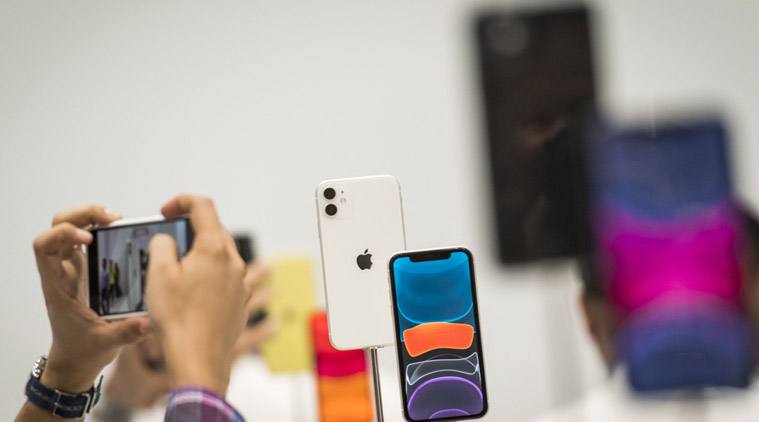 An ultra-wide-angle lens is any lens with an angle of view greater than 90 degrees.
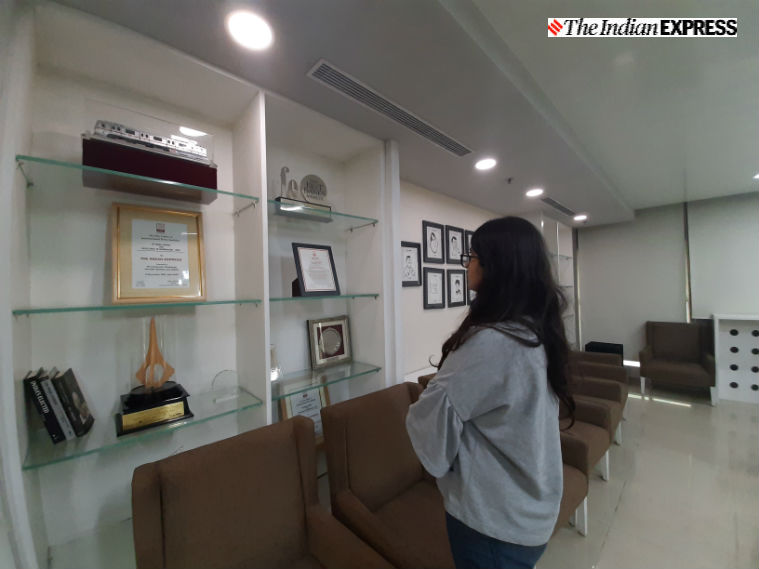 A sample shot taken using an ultra-wide-angle lens
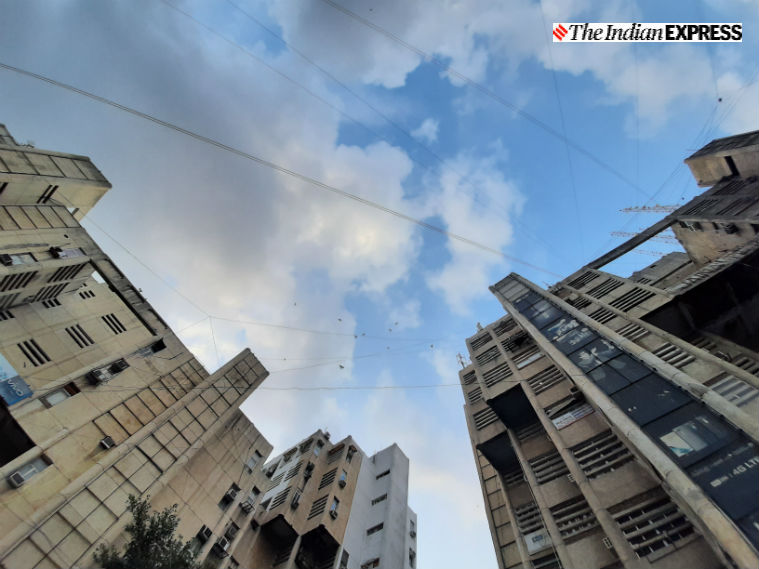 Here’s a shot of a tall building captured with an ultra-wide-angle lens from an upcoming smartphone.
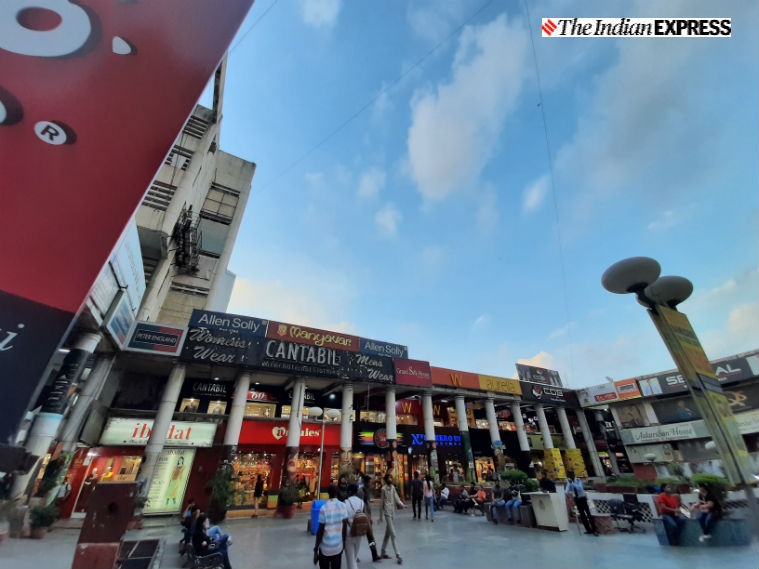 An ultra-wide-angle lens takes in more view than normal
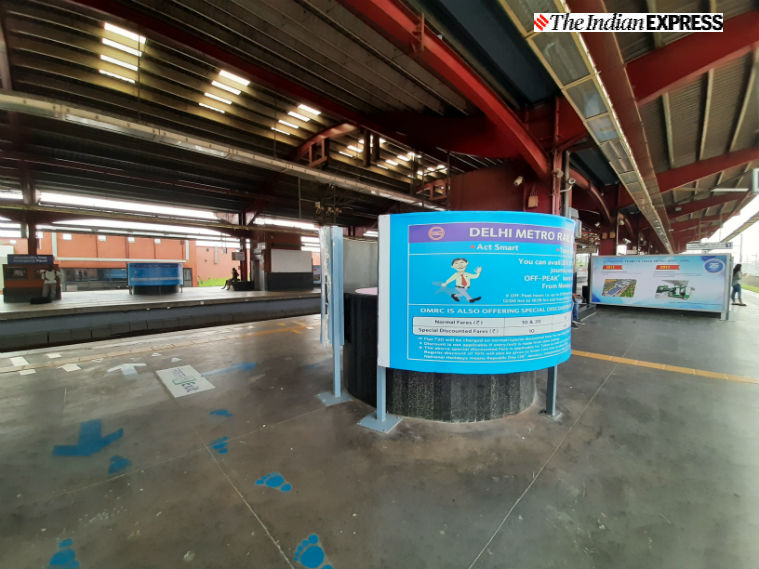 A sample shot taken using an ultra-wide-angle lens
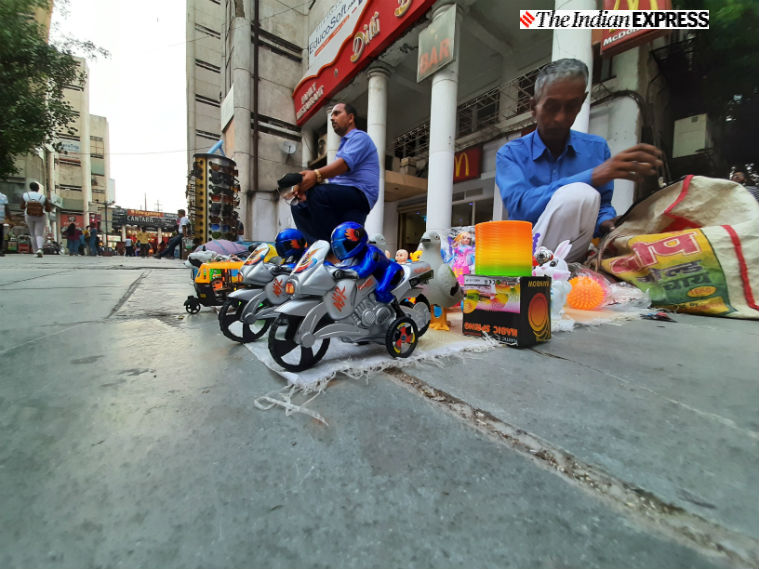 The shot was taken with an ultra-wide-angle lens.
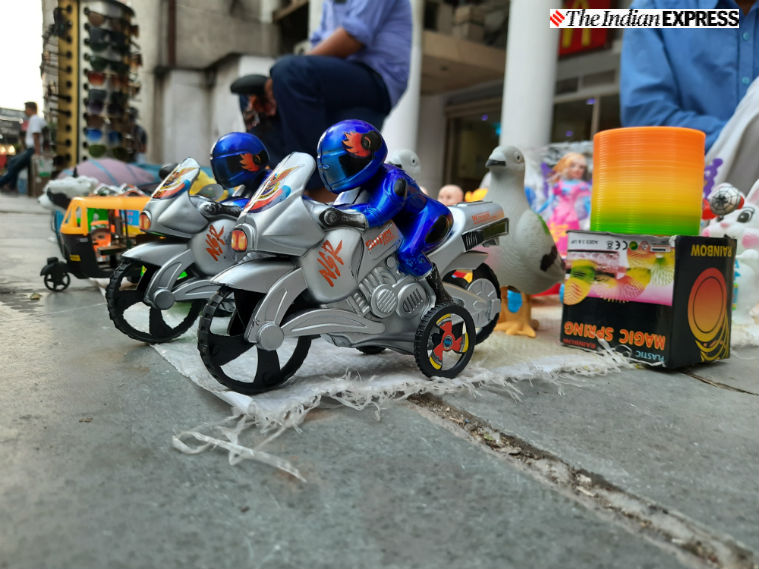 This shot was taken with the standard lens.