


Tags:


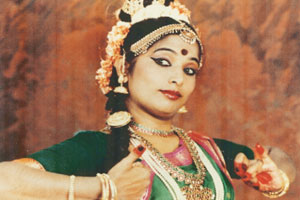
Danseuse Veena Murthy Vijay is reviving figure dancing performed in ancient temples of south India
The music begins routinely enough,propelling the young Kuchipudi artiste forward: her eyes flash and her feet spring to the tempo as she darts across the stage. If you watch closely,however,you see there is nothing routine about this performance. Set to a rare raga and the even rarer Simhanandana tala the longest tala in Carnatic music,famed for its insurmountable 18 angas,128 kriyas and 512 aksharas this is a dance plucked from the past. One of several ritual dances performed in the temples of south India Andhra Pradesh in particular in the 16th and the 17th centuries,Simhanandini,a dance in praise of the demon-slaying Goddess Durga,is for the most part,a lost art. Which is no surprise considering the demands it makes of the dancer: while following the rigours of classical footwork and submitting to the complex beat of the music,she must also etch a lion,whiskers and all,with her feet,on a floured floor.


At Vijays third-floor residence in Vyalikaval,Bangalore,one of her star students,12-year-old Sangeetha Phaneesh,is poised,hands on her hips,for the music to start. The CD clicks on and a paean to the goddess flows forth. Phaneesh has performed Simhanandini over 300 times on stages across India. She holds the world record for the maximum number of performances, says Vijay. But that doesnt stop the 50-year-old danseuse from admonishing her pupil for drawing the lions stomach too thin. Starting with the eyes,Phaneesh goes on to trace the face with quick,precise movements,looking up every now and then to assume a majestic stance and expression.
A black 10ft by 10ft sheet,covered in white flour,is her stage and her canvas,and in a span of five minutes,she covers it with the figure of a majestic feline: a folk-cave art-style lion with a full mane and rounded eyes which looks just like the one from Vijays YouTube video.


