


Tags:


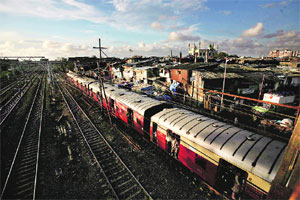
Imagine Mumbai or Bombay,which,as the novel says,obliterated its own history by changing its name as the protagonist of a story. Imagine a saga of the development of the city from the early 1980s to the early 2000s,narrated through an array of unbelievably interesting settings and characters and in an amazingly engaging prose. But imagine all this from the perspective of the seamier side of the city one comprising drug dens and brothels,prison cells and rehab centres,peddlers and addicts,pimps and prostitutes,criminals and victims narrated through the haze of a blue opiate smoke. And,you would have got a hang of this debut novel by the 52-year-old well-established poet and musician Jeet Thayil. After all,Bombay is for this novel,and as its title itself suggests,nothing short of a Narcopolis,it is the hero or heroin of this story note the pun on heroin. It is the city,as narrated through the opium pipe,that encompasses the whole tale: This is the story the pipe told me. All I did was write it down,one word after the other,beginning and ending with the same one,Bombay.
The novel moves from the 1980s Bombay,dotted with cheap opium dens and brothels,the denizens of whose dark bylanes are haunted by the elusive pathar-maar who kills pavement dwellers at the dark of night by smashing their heads with a stone,through a rotting city of the 1990s getting progressively criminalised and inundated with deadly heroin and chemical drugs,to a 21st century call-centre-ridden glass-and-metal jungle where cocaine and Ecstasy and a communalised atmosphere rule swanky coffee houses. Though primarily about the metamorphosis of the city,the novel hinges on its surreal characters. Dom Ullis a young Syrian Christian,who comes to the city as a student,discovers instead the shady sex and drugs scene of Shuklaji Street,leaves for the US in a few years,and returns in 2004 to a thoroughly changed Bombay is the narrator of the novel,though he does very little of the narration himself. Rashid,the owner of the chandu-khana or opium den,in and around which most of the action is set,is also a hopelessly poetic addict himself. There is Dimple,the hijra,the spirit of the novel almost,who is a prostitute and also an adept opium-mixer at Rashids,through whose doomed stories of trying to be herself the bulk of the tale unfolds. There is also Mr Lee,the curious army officer who flees Maoist China under peculiar circumstances,to seek refuge in Bombay and introduce the city to good quality opium and the ubiquitous narrating pipe. Then there is Ramesh,aka Rumi,a middle-class,salaried man,who is also an abusive husband,a violent addict,and fleeting in and out of rehab centres,finally dies a death as violent as the ones he has been responsible for. The novel also has its bevy of minor characters Salim the pocketmaar who kills his sodomising boss after chopping his penis into pieces,the ex-government clerk and the rather erudite Bengali who keeps Rashids accounts; Rashids son Jamal who grows up to be new-age bookie and peddler; the rather crazed Mr Soporo who runs a rehab centre all brilliant portrayals. The most poignant stories are of course Mr Lees in depicting which the author also shows tremendous knowledge of China and Dimples,whose little aspirations,for instance of being able to read in English whatever comes into her hands,and little tribulations of not finding the respect or love she richly deserves,come alive in the deft hands of the author.


Overall,however,this first attempt at a novel is a truly enjoyable read and the way it captures the spirit of the decrepit side of a changing Bombay,through its narco-dazed landscape peopled with unworldly characters,narrated in a most irreverential style,is worth appreciating and should be read if not for anything else,at least for the sheer fresh feel it gives in its difference from the run-of-the mill novels in the ever-burgeoning IWE horizon.


