Premium

India’s third-largest cricket stadium has never hosted a Test. That could change soon

Shaheed Veer Narayan Singh International Cricket Stadium in Raipur leased to state cricket association for 30 years. Chhattisgarh hopes this changes the stadium’s fate

third largest cricket stadium, Chhattisgarh cricket stadium, Raipur, Chhattisgarh government, india third largest cricket stadium, Shaheed Veer Narayan Singh International Cricket Stadium, Indian express news, current affairs“We have also sourced red soil from Maharashtra to make a spin-friendly wicket. We have wickets that favour pacers. We will also renovate the ground and ensure it gets a better BCCI ranking and is selected to host Test matches,” CSCS director Vijay Shah said.

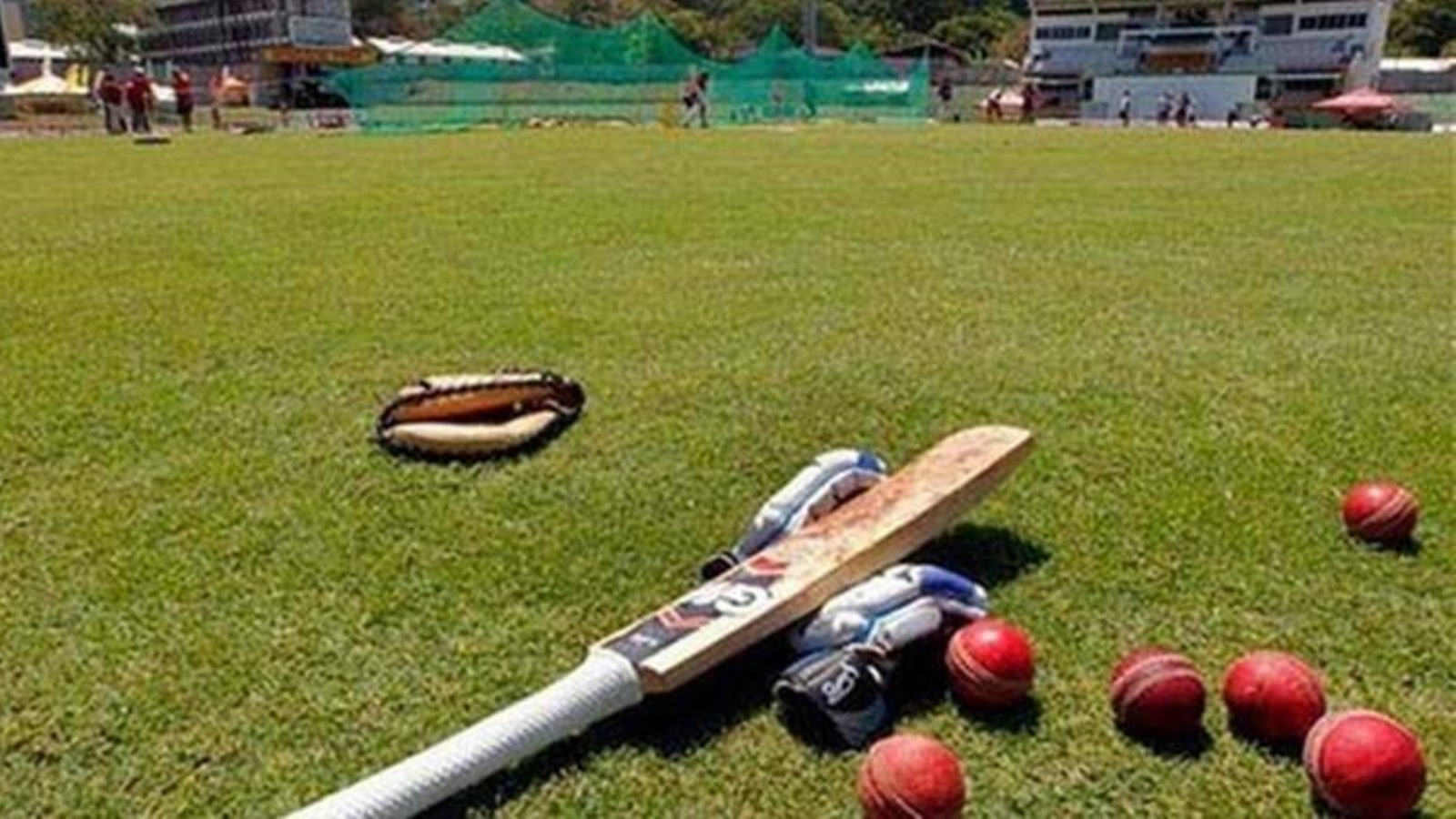
The Shaheed Veer Narayan Singh International Cricket Stadium, the third-largest cricket stadium in India in terms of seating capacity, is set for a revamp in the near future as it aspires to host Test matches after the Chhattisgarh government leased it out to the state cricket association for 30 years.

In a cabinet decision on Friday, Chief Minister Vishnu Deo Sai handed over the management of the stadium in New Raipur to the Chhattisgarh State Cricket Sangh (CSCS), a private body recognised by the BCCI.

So far, the stadium has hosted six IPL matches, an ODI, and an international T20, in addition to the Chhattisgarh Premier League. “We will make the ground hi-tech and upgrade it in line with the norms of the BCCI. We are planning to construct a gym, a swimming pool and a better seating arrangement for the crowd,” CSCS director Baldeo Singh Bhatia said.

“We have also sourced red soil from Maharashtra to make a spin-friendly wicket. We have wickets that favour pacers. We will also renovate the ground and ensure it gets a better BCCI ranking and is selected to host Test matches,” CSCS director Vijay Shah said.

The stadium was built in 2008, but has been unable to generate adequate revenue despite the government spending crores to maintain it. The stadium will now be upgraded and maintained by CSCS, which will regularly hold tournaments, trials, training camps and major domestic fixtures.

The state hopes the move will enhance Chhattisgarh’s national identity, boost sports tourism, and put Raipur on the map as a cricketing hub.

The cricket body will pay Rs 1.5 crore annually to the government with an increment every three years. A fee of Rs 20 lakh for international matches and Rs 30 lakh for an IPL match will also be given to the government, which too will increase every three years.


Jayprakash S Naidu is a Principal Correspondent for The Indian Express, currently serving as the state correspondent for Chhattisgarh. With an extensive career in frontline journalism, he reports on the political, security, and humanitarian landscape of Central India. Expertise and Experience Specialized Conflict Reporting: Jayprakash is a leading voice on the Maoist/Naxalite conflict in the Bastar region. His reporting provides a critical, ground-level view of: Internal Security: Tracking high-stakes encounters, surrender programs for senior Maoist leaders, and the establishment of security camps in formerly inaccessible "heartland" villages. Tribal Rights & Displacement: Investigative reporting on the identity and land struggles of thousands of displaced tribals fleeing conflict zones for neighboring states. Governance & Bureaucratic Analysis: He consistently monitors the evolution of Chhattisgarh as it marks 25 years of statehood, covering: Electoral Politics: Analyzing the shift in power between the BJP and Congress and the impact of regional tribal movements. Public Policy: Reporting on landmark infrastructure projects (e.g., mobile connectivity in remote zones) and judicial interventions, such as High Court rulings on civil and family law. Diverse Investigative Background: Prior to his current focus on Chhattisgarh, Jayprakash held reported from Maharashtra, where he specialized in: Crisis & Disaster Management: Notable for his extensive coverage of the Cyclone Tauktae barge tragedy (P-305) and the COVID-19 pandemic’s impact on frontline personnel. Legal & Human Rights: Investigative pieces for platforms like Article-14, focusing on police accountability and custodial deaths across India. Environmental & Social Justice: Authoritative reporting on the Hasdeo Aranya forest protests and the approval of major tiger reserves, highlighting the tension between industrial mining and environmental preservation. ... Read More

Stay updated with the latest - Click here to follow us on Instagram
Latest Comment
Post Comment
Read Comments
Advertisement
Advertisement
Loading Taboola...
Advertisement