2 min read
Stay updated with the latest - Click here to follow us on Instagram
© IE Online Media Services Pvt Ltd



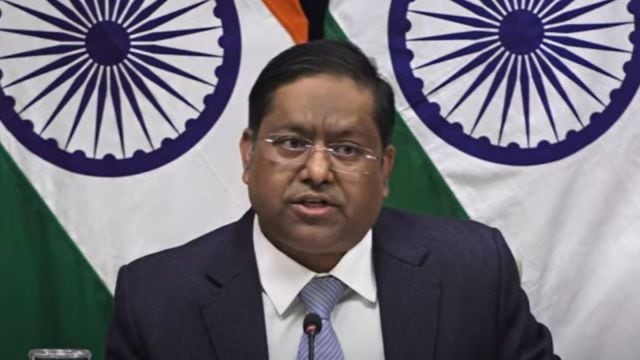 The remarks, which included a provocative suggestion to annex parts of India, were made on December 16, coinciding with Bangladesh’s Victory Day—a national holiday marking its 1971 Liberation War triumph over Pakistan. (Ministry of External Affairs, India)
 Tensions flared between India and Bangladesh following a controversial statement by Mahfuz Alam, a student adviser in Bangladesh’s interim government led by Nobel laureate Muhammad Yunus.
The remarks, which included a provocative suggestion to annex parts of India, were made on December 16, coinciding with Bangladesh’s Victory Day—a national holiday marking its 1971 Liberation War triumph over Pakistan.
The now-deleted post drew a sharp rebuke from India’s Ministry of External Affairs (MEA). Speaking on the matter, MEA Spokesperson Randhir Jaiswal said, “We have registered our strong protest on this issue with the Bangladesh side. We understand that the post being referred to has reportedly been taken down. We would like to remind all concerned to be mindful of their public comments.”
Starting shortly!
Tune in for our Weekly Media Briefing:https://t.co/IrgYKfCcxp
— Randhir Jaiswal (@MEAIndia) December 20, 2024
Jaiswal further emphasised India’s commitment to maintaining friendly ties with Bangladesh, saying, “While India has repeatedly signalled interest in fostering relations with the people and the interim government of Bangladesh, such comments underline the need for responsibility in public articulation.”
The incident has sparked diplomatic ripples at a time when both nations are navigating sensitive political dynamics. Bangladesh is currently under the leadership of an interim government, with Muhammad Yunus, a Nobel Peace Prize laureate, at the helm.
Bangladesh had been a key ally to India since former Bangladesh Prime Minister Sheikh Hasina came to power in 2009. From eradicating anti-India terrorist groups, which operated out of safe havens in Bangladesh, to facilitating greater economic, social, and cultural ties, Hasina’s tenure had seen a healthy relationship between New Delhi and Dhaka. However, the relations between the two countries soured after Hasina fled after a popular uprising and sought refuge in India.
Stay updated with the latest - Click here to follow us on Instagram