This is an archive article published on June 3, 2024
In Telangana draft for gig workers, minimum wage, maternity benefits
The policy will be valid for three years after which a review will be undertaken to determine its scale and impact.
Written by Nikhila Henry
New Delhi | Updated: June 3, 2024 07:44 AM IST
3 min read
Whatsapp
twitter
Facebook
Reddit
The policy also recommends setting up grievance redressal mechanisms at the company level and at the state level for the workers.
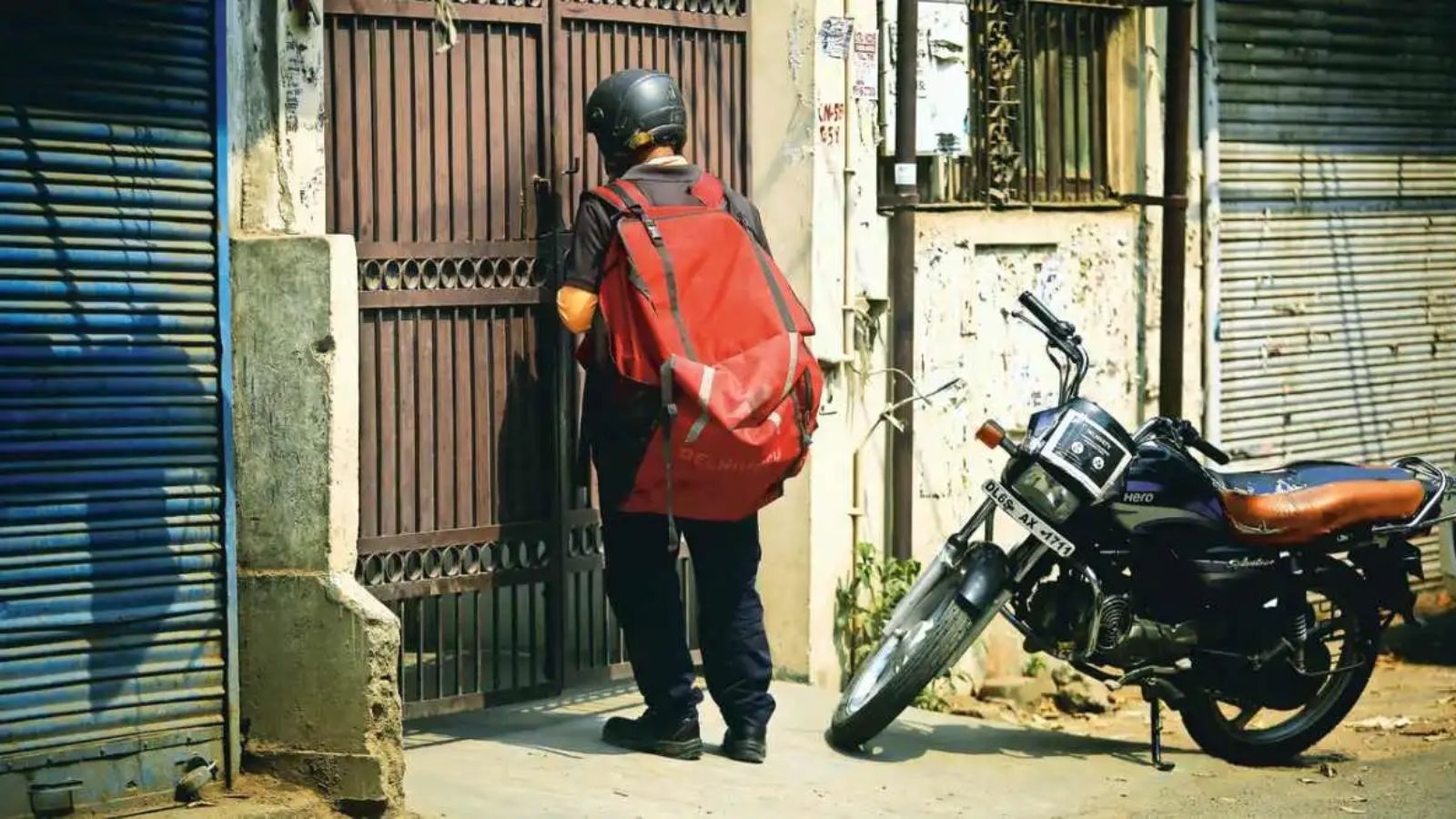
THE DRAFT Telangana Platform-Based Gig Workers Policy, 2024, has proposed minimum wages, an accidental insurance of Rs 5 lakh and a mandatory health cover for workers in app-based gig and platform companies.
The draft policy, accessed by The Indian Express, also calls for contributions by aggregator companies towards a fund that will be managed by a board and used for the welfare of workers. Besides, it recommends contributory old age pension, a contributory wage compensation scheme, scholarships for children of workers, and maternity benefits.
According to the policy, workers will be registered with the government on an App. “We will soon launch the App and the workers will be allowed to self-declare their basic details including the platforms they are linked to. This will then be cross-verified with the platforms and the registration process will be complete,” E Gangadhar, Additional Commissioner of Labour, Telangana, told The Indian Express.
The policy will be valid for three years after which a review will be undertaken to determine its scale and impact. “We will finalise the policy only after stakeholder consultations. All recommendations of the draft policy will be discussed at length in June,” Gangadhar said.
The policy, drafted by Forum for Good Governance, an NGO, in consultation with the state labour department, also requires aggregator platforms to register with the state government — transport department, in the case of ride sharing aggregators, and labour department, in the case of food delivery platforms.
Besides those employed with ride sharing and food and grocery delivering services, the policy would cover those working with logistic services such as Rapido, e-marketplace services, healthcare service providers, travel and hospitality services, content and media services, and any other platforms providing goods and services.
While the policy aims to provide basic social security to gig workers, it does not touch upon severance pay, a key issue in this sector, given the many instances of summary termination of workers. When asked, Gangadhar said, “The aggregator companies do not define their relationship with workers in terms of an employee and an employer; they just term it as a ‘partnership’.”
However, the policy does say the government would specify minimum wages for the workers. “The government will notify minimum wages for all workers under each category of the gig economy,” states the draft policy.
Further, aggregator services such as Ola, Uber, Swiggy and Zomato, among others, will have to provide accidental insurance of Rs 5 lakh to gig workers on job. It also calls upon the aggregators to contribute a fee based on their annual turnover towards a welfare fund for workers. This fund may be managed by a welfare board.
The policy also recommends setting up grievance redressal mechanisms at the company level and at the state level for the workers. Each aggregator should have a dispute resolution committee, the policy states.
Nikhila Henry is an Assistant Editor at The Indian Express, based in Hyderabad. With a career spanning 17 years, she has established herself as an authoritative voice on South Indian affairs, specialising in the complex intersections of politics, education, and social justice.
Experience & Career: Nikhila commenced her journalism career in 2007 as an education correspondent for The Times of India in Hyderabad,where she gained recognition for her coverage of student politics. Her professional trajectory includes a four-year tenure at The Hindu, where she focused on minority affairs and social welfare. In 2019, she took on a leadership role as the South Bureau Chief for The Quint, where she directed regional coverage across all five South Indian states. Her expansive career also includes a tenure at the BBC in New Delhi and contributions to prestigious international outlets such as The Sunday Times (London) and HuffPost India.
Expertise & Focus Areas
Nikhila’s reportage is marked by a deep-seated understanding of grassroots movements and institutional policy. Her core focus areas include:
Regional Politics: Comprehensive analysis of the socio-political dynamics across South India.
Education & Student Movements: Chronicling the evolution of Indian academics and the rise of youth activism.
Minority Affairs: Rigorous reporting on the welfare, rights, and challenges facing marginalized communities.
National Beat: Elevating regional stories to national prominence through investigative and on-ground reporting.
Authoritativeness & Trust
A respected figure in Indian media, Nikhila is not only a seasoned reporter but also an accomplished author and editor. She authored the critically acclaimed book The Ferment: Youth Unrest in India and edited Caste is Not a Rumour, a collection of writings by Rohith Vemula. Her dual background in daily news reporting and long-form authorship allows her to provide readers with a nuanced, historically-informed perspective on contemporary Indian society.
Find all stories by Nikhila Henry here. ... Read More


 3 min read