Journalism of Courage



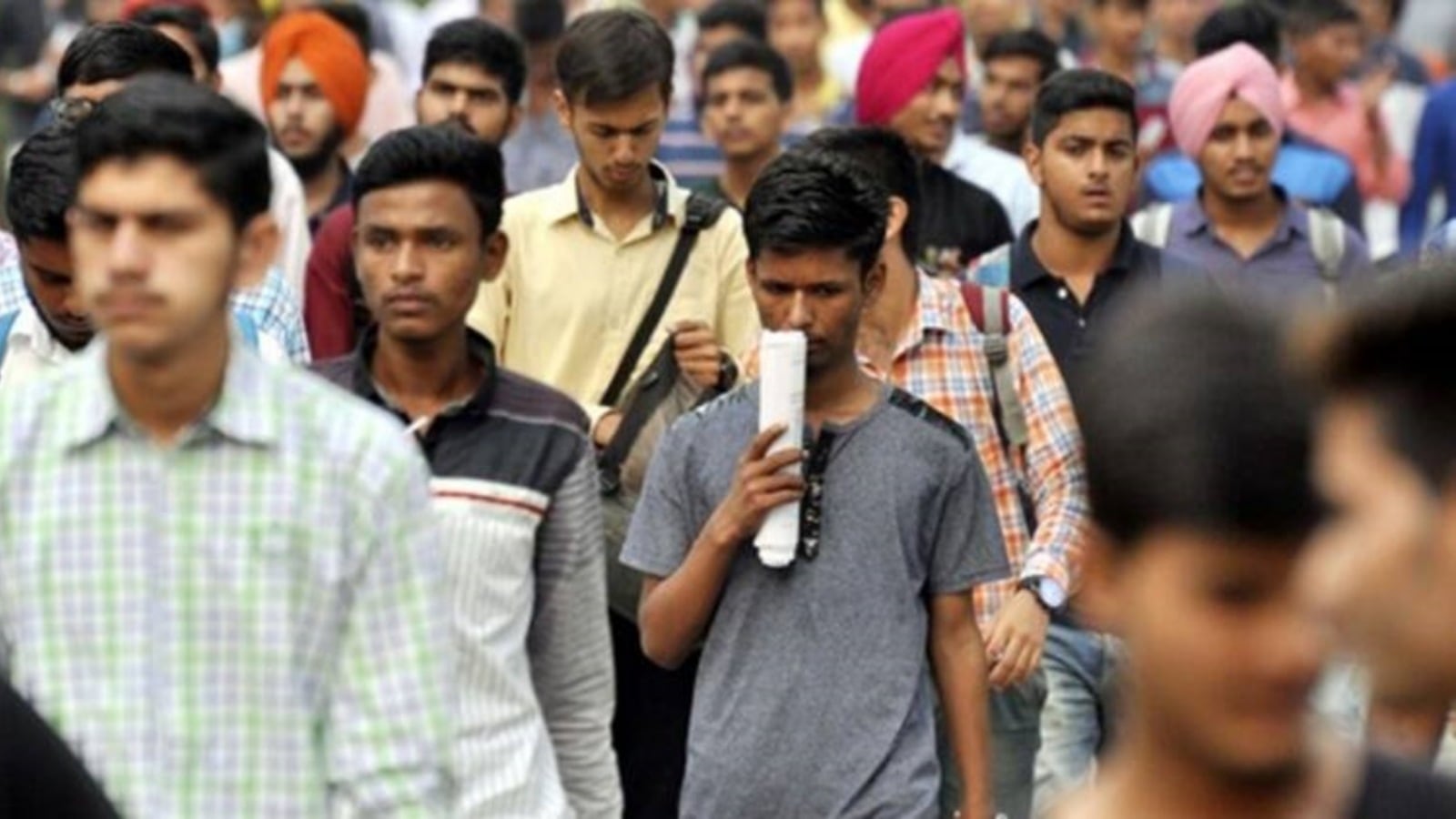 According to the Ministry, the Centre had notified the Citizenship (Amendment) Rules, 2024 on March 11.
The Centre Friday expanded the ambit of rules issued under the Citizenship (Amendment) Act to facilitate grant of Indian citizenship to persecuted minorities coming from Bangladesh, Pakistan and Afghanistan.
The Ministry of Home Affairs said any document issued by the Central or a state government or a quasi-judicial body in India proving that either of the parents, grandparents or great-grandparents is or had been a citizen of one of the three countries will be acceptable.
The Ministry clarification came after many applicants seeking Indian nationality under the Citizenship (Amendment) Act, 2019, were said to be facing difficulties due to a particular clause of the Citizenship (Amendment) Rules, 2024.
The earlier clause stated: “Any document that shows that either of the parents or grandparents or great grandparents of the applicant is or had been a citizen of one of the three countries i.e of Afghanistan or Bangladesh or Pakistan.”
In its latest clarification, the Ministry said, “It may be clarified that the documents under Sr No. 8 of the Schedule-1A may include any document issued by the central government/state government/any judicial or quasi judicial body in India such as land record, judicial order etc., identifying or representing that the applicant or the parents or grandparents or great grandparents had been a national of Afghanistan or Bangladesh or Pakistan.” “The above clarification may be taken note of while deciding any citizenship application under Citizenship (Amendment) Act, 2019 (CAA),” it stated.
The CAA was enacted in December 2019 for granting Indian nationality to persecuted Hindu, Sikh, Jain, Buddhist, Parsi and Christian migrants from Afghanistan, Bangladesh and Pakistan who came to India on or before December 31, 2014. Following the enactment, the CAA got the President’s assent but the rules under which Indian citizenship would be granted were issued only on March 11 this year, after over a delay of four years.
According to the Ministry, the Centre had notified the Citizenship (Amendment) Rules, 2024 on March 11.
“The Rules envisage the manner of application form, procedure for processing applications by District Level Committee (DLC) and scrutiny and grant of citizenship by State Level Empowered Committee (EC). In pursuance of these rules, applications have been received from persons belonging to Hindu, Sikh, Jain, Buddhist, Parsi and Christian communities from Pakistan, Bangladesh and Afghanistan who have entered India up to December 31, 2014, on account of persecution on grounds of religion or fear of such persecution,” an official said.
The Citizenship (Amendment) Bill, which sought to fast-track the process of granting Indian citizenship to Hindus, Sikhs, Buddhists, Jains, Parsis and Christians – but not Muslims – who migrated to India owing to religious persecution in Pakistan, Afghanistan and Bangladesh, was passed by Lok Sabha on December 9, 2019, and Rajya Sabha two days later. It received the President’s assent on December 12, 2019. Soon after the passage of the law, widespread protests broke out across the country.

 4 min read