


Tags:


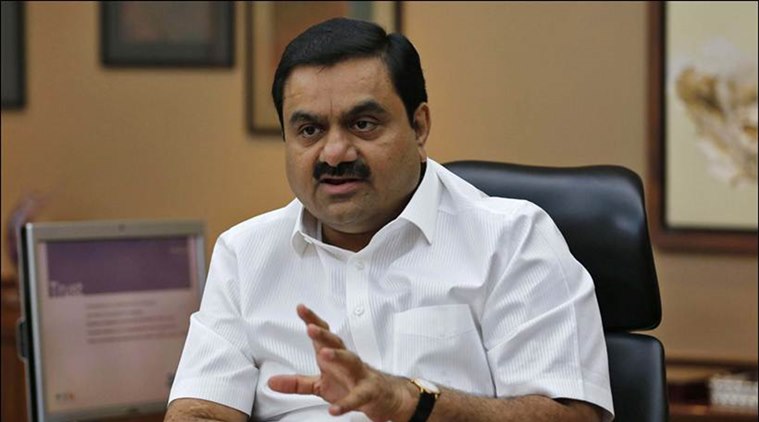
Edible oil manufacturer Ruchi Soya Industries, ridden with debt, is at the centre of a takeover contest between Adani Wilmar and Patanjali Ayurveda. After creditors selected Adani Wilmar’s resolution plan, Patanjali has moved the Mumbai bench of the National Company Law Tribunal (NCLT) seeking disqualification of the plan. Why is the acquisition important, and what is the dispute?
Company in debt


The selection
The bidder was selected through the Swiss Challenge method, approved by lenders and resolution applicants, with both Adani Wilmar and Patanjali Ayurveda given an opportunity to revise their resolution plans. Adani Wilmar bid around Rs 6,000 crore, as against Rs 5,700 crore offered by Patanjali Ayurveda, it is learnt. A majority of the members of the Committee of Creditors (CoC) voted in favour of Adani Wilmar.
The challenge
Patanjali has argued that the Adani Wilmar promoters are ineligible to bid as per Section 29A of the Insolvency and Bankruptcy Code. As per this section, a resolution applicant is ineligible to submit a plan if connected to a person who meets any of the ineligibility criteria. Patanjali is understood to have argued that Adani Wilmar managing director Pranav Adani is related to Vikram Kothari, former promoter of Rotomac group, which has allegedly defaulted on nearly Rs 3,700 crore in bank loans. Since a defaulter’s relatives are barred from bidding for companies undergoing corporate insolvency resolution, Patanjali has sought cancellation of the approval for the Adani Wilmar bid.
The NCLT will continue to the hear the matter on September 7. The 270-day deadline for the debt resolution under the Code, meanwhile, is due to end on September 12.


