


Click here to follow Screen Digital on YouTube and stay updated with the latest from the world of cinema.
© IE Online Media Services Pvt Ltd
Tags:



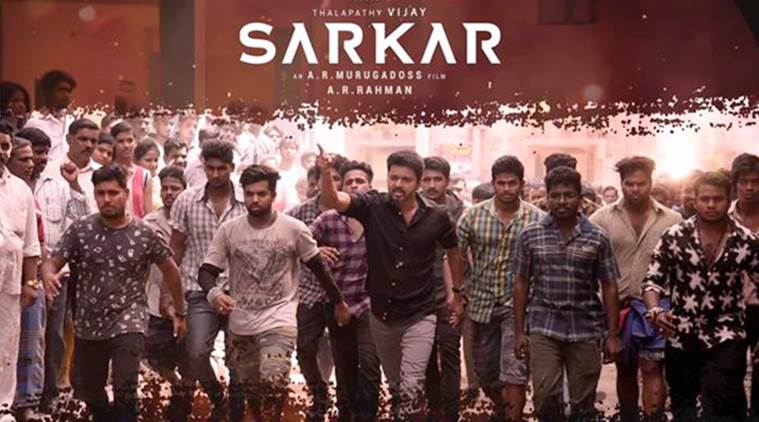
We don’t know how much of Sengol we saw in Sarkar. But what I saw is a hit filmmaker taking a very interesting concept and reducing it to a hero-worshiping exercise. The storyline of Sarkar: a hero falls victim to voter fraud, he seeks legal help to right a wrong, and ends up sparking a political revolution. It sounds so interesting on paper, isn’t it? But, instead of writing a screenplay that could have taken full advantage of the idea, director AR Murugadoss falls back to clichés. A hero introduction song, a folk song, a duet song, an idealistic song. An arm-candy heroine who also doubles up as the hero’s sidekick. A bunch of stylistic fight sequences, a slew of punch dialogues and a lot of lectures on humanity and dollops of melodrama. Also, add a pinch of ‘Amma’ sentiment. There you have a movie for the mass audience, who spend hard-earned money on the efforts of a filmmaker to make a demigod out of a movie star, Vijay.
What amazed me about Sarkar was the diminishing storytelling craft of Murugadoss. While I could see a glimpse of good writing here and there, Murugadoss failed to imagine aesthetic ways to portray the evils of corruption and violence.


Sarkar is Murugadoss’ third with Vijay. The character arc and traits of CEO Sundar Ramaswamy are not very different from Major Jagadish Dhanapal in Thuppakki and convict Kathiresan in Kaththi. All three heroes at the intermission of their respective movies even parrot the same punch line: “I am waiting.” Murugadoss’ Vijay films are like director Hari’s Singam series: Same hero, different adventures. Murugadoss just gives his hero a new name and a background in his films to cloud this fact.


Click here to follow Screen Digital on YouTube and stay updated with the latest from the world of cinema.


