3 min read

Click here to join Express Pune WhatsApp channel and get a curated list of our stories
© The Indian Express Pvt Ltd



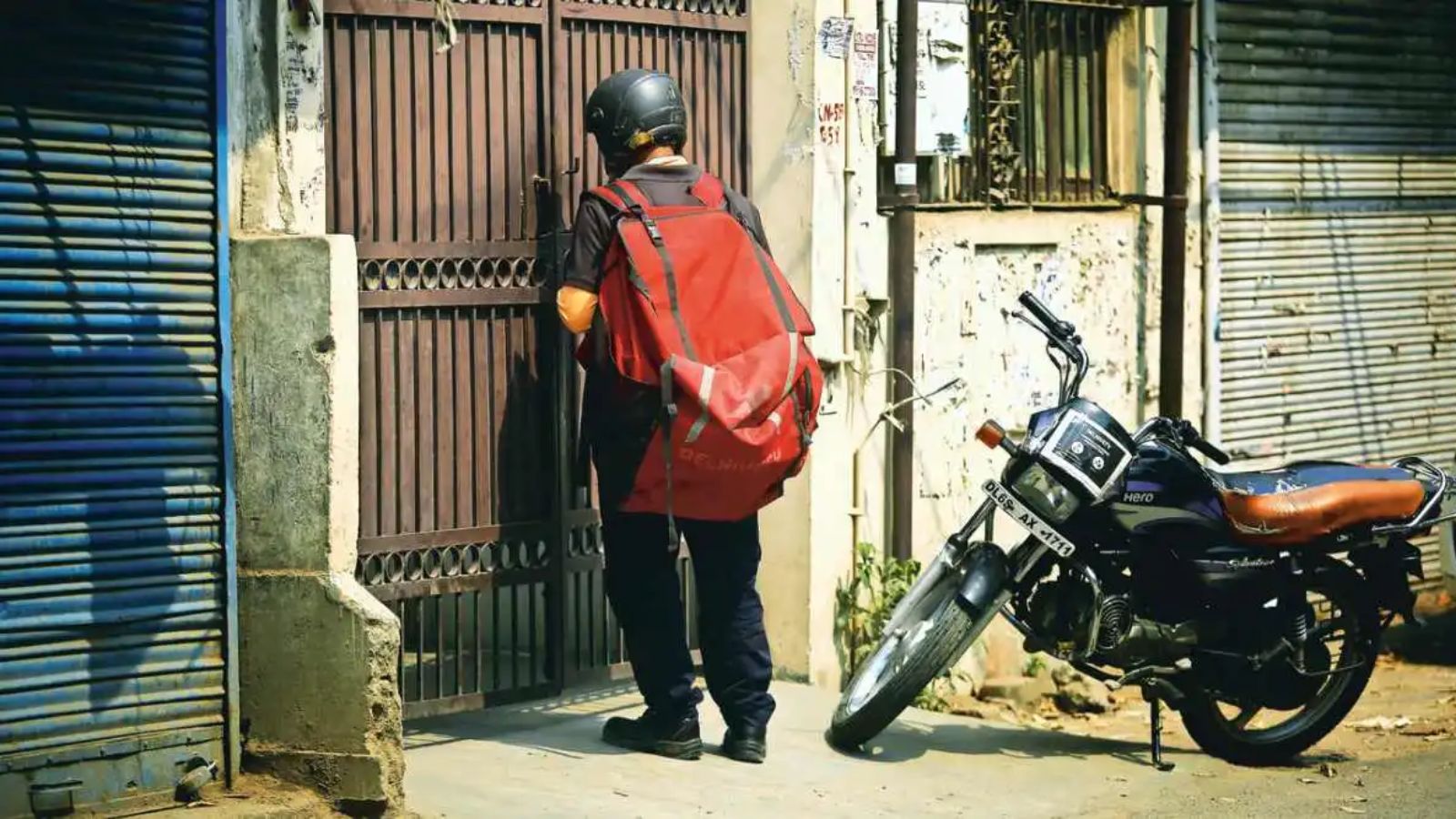 Pune has witnessed a series of protests by gig workers over the past few years, and these protests have intensified in the past year. (File Photo)
Six months ago Faiyaz Momin (41) a single father who works in the food delivery industry in Pune, had told The Indian Express that despite working 15 hours a day the money he made was grossly insufficient for survival. Plus frequent blocking of card over customer complaints for minor delays, occasional abuse and even attacks combined with the absence of a grievance redressal system for gig workers like him made the situation worse.
Today as president of The Delivery Boys union in Pune, Momin says nothing has changed in their favour, except the timing. With elections round the corner he hopes these and other grievances will now find a listening ear. He is advocating for a Platform-Based Gig Workers (Registration and Welfare) Act on the lines of the one introduced in Rajasthan last year. Else, they have an innovative alternative.
Pune has witnessed a series of protests by gig workers over the past few years demanding better work conditions, remuneration and safety norms. With nothing come forth these protests have only intensified.
As ubiquitous and indispensable as the food delivery boys are the gig workers for Ola and Uber, who also face of a challenging work environment.
Sachin Kapre, who has been a cab driver for over eight years, said he has no hope from politicians and hence no motivation to vote. As a secular person, he says he wants to choose a secular party, but is aware that even those parties have never addressed gig workers’ demands.
“Before the arrival of aggregator companies in Pune, the price of diesel was around Rs 40, but now CNG rates have doubled to Rs 90. Inflation has increased while earnings have remained the same,” he said, adding, “If individuals can tolerate rising prices of other commodities, they should be willing to accept the increased taxi fares too. We advocate for policies that support cab drivers.”
Vasant Dhangle, who left the driving profession, said that since there is a strong connection between cab companies and the government, politicians have no intention of fulfilling the drivers’ demands. “If they had, then the RTO would have compelled companies to adopt fare price structures, but no politician has ever addressed these concerns in their manifestos,” he said. The workers are urging the government to address their welfare policies, including issues related to the Cab Aggregator Policy and the Social Security Code of 2022.
Social activist Baba Adhav calls the hamaals or porters in Pune, the original gig workers for whom Maharashtra became the first state to implement minimum wages in the 1960s. He concurs with the challenges faced by the current “smartphone and technology-based workers” in securing fundamental rights such as legal, medical, and other social protections.
Momin and his band of gig workers have a backup plan though. His union intends to nominate a candidate from the food delivery profession in one of the four constituencies of the Pune district. “We will contest the election to display our power, not necessarily to win,” he said.