5 min read
Click here to join Express Pune WhatsApp channel and get a curated list of our stories
© The Indian Express Pvt Ltd



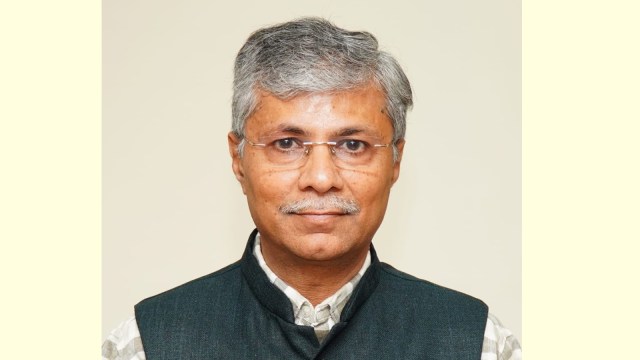 RAJESH KOTECHA, Secretary, Ministry of AYUSH,
Ahead of the second WHO Global Summit on Traditional Medicine from December 17 -18, RAJESH KOTECHA, Secretary, Ministry of AYUSH, said the growing burden of non-communicable diseases, rising healthcare costs, antimicrobial resistance and the global focus on sustainability have all accelerated interest in traditional and integrative medicine.
In an interview with ANURADHA MASCARENHAS, he says a vast majority of WHO Member States report the use of traditional medicine with around 170 out of 194 countries acknowledging its practice and integration into national health approaches. “This widespread acknowledgement reflects traditional medicine’s global footprint and its cultural and practical acceptance across regions,” said Kotecha. Excerpts:
How has the integration of traditional and modern medicine improved healthcare?
The growing role of traditional medicine worldwide has improved access to primary healthcare, especially for people in underserved and remote areas. It places greater focus on prevention, wellness and community-based care. Better integration with modern medicine has made health systems more people-centred, stronger and more sustainable. At the same time, WHO-led global efforts have expanded scientific evidence through research, quality standards and digital knowledge platforms, building trust and informed use. In addition, improved education and training have made practitioners more skilled and professional, while stronger regulations and quality have ensured that traditional medicine products are safe and effective.
How many countries are participating in this summit and what is the roadmap ahead?
The Second WHO Global Summit on Traditional Medicine is witnessing participation from over 100 countries, including health ministers, policymakers, scientists, regulators, industry leaders and traditional medicine practitioners. The roadmap focuses on three clear priorities- mainstreaming traditional medicine into national health systems where appropriate and safe, strengthening global research, data and evidence generation, including digital health and AI-led documentation of traditional knowledge and ensuring quality, safety and regulation of traditional medicine products and practices to enhance global trust and acceptance.
WHO Global Traditional Medicine Centre was set up in Jamnagar, Gujarat. Have there been further tangible efforts on Ayurveda and other systems towards holistic healthcare in India?
Since its launch, the Centre has been strengthening knowledge exchange, partnerships and global collaborations to optimize the contribution of traditional medicine to people’s health and well-being around the world. India’s global outreach has expanded rapidly. This includes 25 country-to-country Memoranda of Understanding, 52 institute-to-institute MoUs, and the establishment of 43 Ayush Information Cells in 39 countries, supporting capacity building, regulatory cooperation, education and research. These initiatives are helping position Ayurveda and other Ayush systems as credible, evidence-informed and holistic components of global healthcare, aligned with WHO’s Global Traditional Medicine Strategy 2025–2034.
How do the Ministry of AYUSH’s scientific, regulatory and global outreach initiatives – particularly on evidence-based evaluation and promotion of Ashwagandha support safe integration into international health care?
The global acceptance of evidence-based Ayurveda is becoming increasingly measurable and Ashwagandha is a strong and well- documented example of this trend. Today, Ashwagandha is among the most researched Ayurvedic medicinal plants, with growing clinical evidence supporting its role in stress management, sleep improvement and immunity. Recognising this growing global interest, the Ministry of Ayush is organising a dedicated side event on Ashwagandha during the upcoming summit, bringing together global experts, researchers, regulators and industry leaders to discuss scientific evidence, safety, quality standards and pathways for global market integration. To promote the safe, evidence-based and responsible global use of Ashwagandha (Withania somnifera), the Ministry of Ayush has undertaken a series of scientific and strategic initiatives. A Evidence-Based Ashwagandha Safety Dossier was prepared in 2023 and updated in 2024, consolidating peer-reviewed international research on its pharmacological properties, therapeutic potential and safety profile and serves as a key scientific reference for policymakers, healthcare professionals and international regulatory authorities, supporting informed decision-making and global acceptance. In parallel, initiatives such as Ayurveda Ahara are strengthening the food–health continuum by promoting Ayurveda dietary principles and scientifically validated functional foods, further expanding the everyday relevance of Ayurveda worldwide.
What are the emerging challenges toward a self-reliant and robust Ayush healthcare system and efforts to strengthen the integration of AYUSH in national public health initiatives?
As Ayush systems expand globally and nationally, key challenges in building a self-reliant and robust Ayush healthcare system include high-quality clinical research, development of harmonised regulatory and quality standards, availability of skilled and well-trained human resources and sustainable supply chains for medicinal plants. Ensuring quality and safety of Ayush products and services in a rapidly growing market is another important priority. To address these challenges, Ministry of Ayush is strengthening research institutions, expanding digital documentation, supporting cultivation and conservation of medicinal plants and promoting quality Ayush products.