2 min read

Click here to join Express Pune WhatsApp channel and get a curated list of our stories
© The Indian Express Pvt Ltd



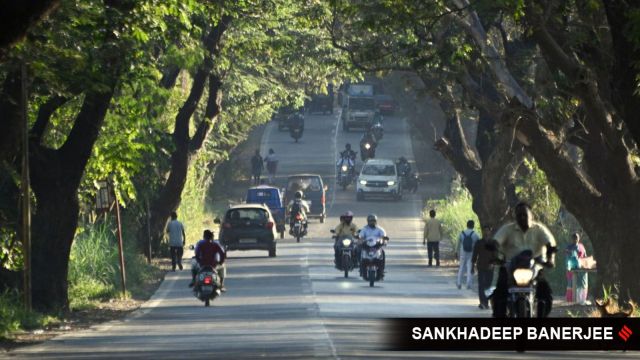 The readings are in the normal range, when compared to that of the last 30 years. (File Photo)
Most parts of the interior of Maharashtra experienced a drop in minimum temperatures on Friday, which is likely to continue for the next few days, said the India Meteorology Department (IMD). Pashan woke up to 7.7°C on Friday morning, while the Shivajinagar station recorded 8.3°C – this is a drop from the 10°C recorded at both places the day before.
“The reason for the drop is mainly the cold and dry winds from the north that are intruding our region. The situation is likely to be similar for the next 48 hours, ie, the minimum will remain around 10°C, and then it is expected to rise by one or two degree Celsius,” said SD Sanap, scientist with the IMD. Ambegaon, Talegaon, Daund, Malin and Baramati were among the places where the minimum temperature had dropped below the 10°C mark on Friday morning.
These readings are in the normal range, when compared to that of the last 30 years. If the mornings were cold, the days seemed unseasonably warm, though the Met office readings show that the maximum temperature is around 30°C across the city. This is due to the clear sky.
“If there are clouds, the sunlight will not reach the earth’s surface with a high intensity. At present, we are getting a lot of sunlight and the temperatures are going up to 30°C or even 31-32°C in some places. We are feeling hot only because of the strong solar radiation during the day. The absence of clouds also means that the heat escapes rapidly and the night time temperatures are dropping fast,” said Sanap. He adds that the sky is expected to remain clear.
People in Pune have also noticed the haze in the mornings. The IMD said that this is a common winter phenomenon. “When the morning temperature drops and the atmosphere is stable, suspended particles, such as dust and pollutants, cause a haze. It is evident for a certain time. One would not find a haze throughout the day,” said Sanap.