Click here to join Express Pune WhatsApp channel and get a curated list of our stories
© The Indian Express Pvt Ltd
 5 min read


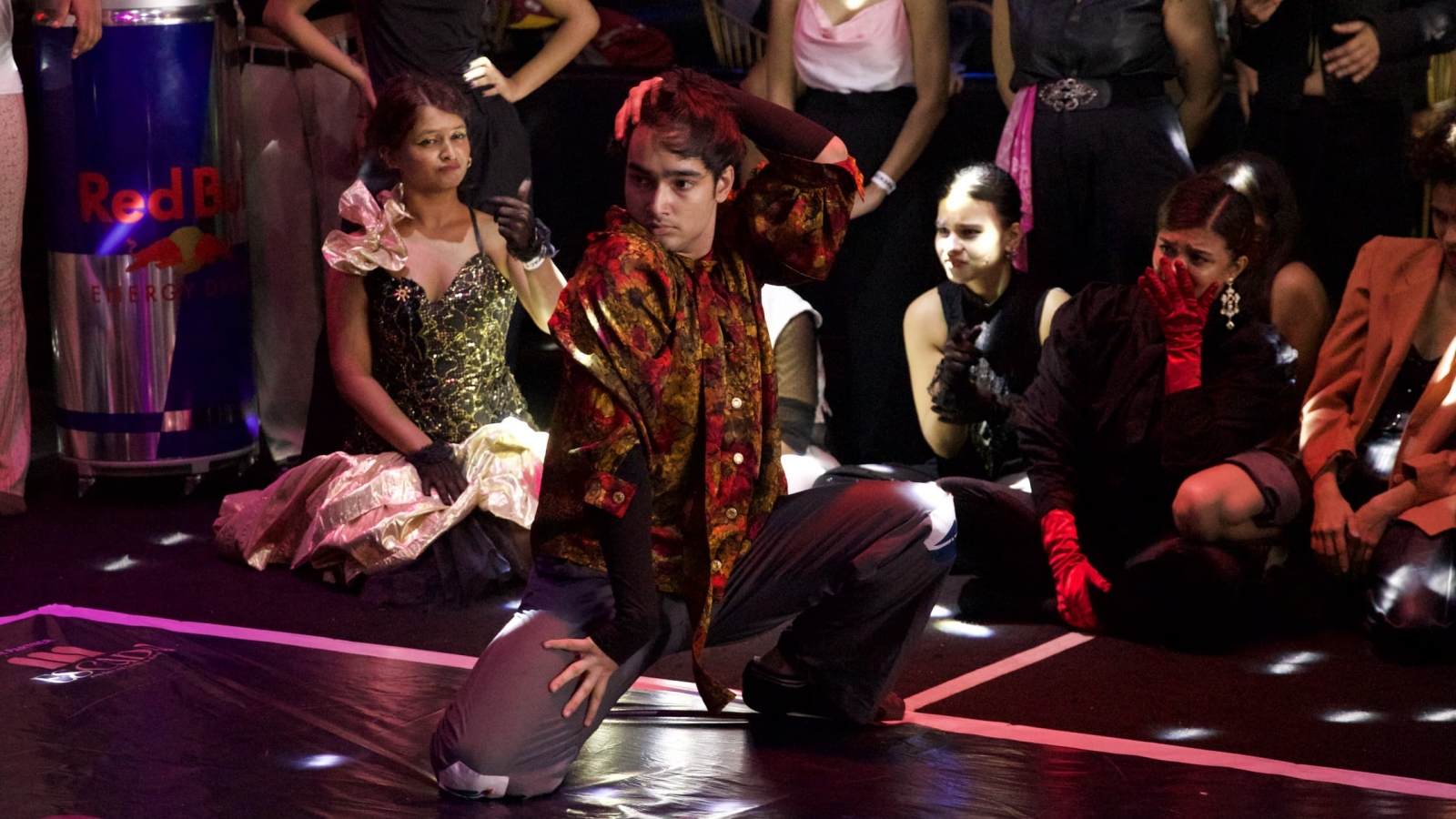 Shubham Sharma says hip-hop has changed the way he looks at life. (Express Photo)
Written by Aryesh Chakraborty
It’s 6 pm and an intense face-off is on between Jagdish Vanail and another dancer in a dimly-lit room in Pune. Vanail concentrates and sweat pours down his face as his limbs flow in the rhythm of Steel DRE. The 30-year-old dances as if in a trance — his body changes its shape and reverberates to the beats and he slips into the song. As the music dies, the judges declare their decision — Vanail has managed to win another face-off.
Pune’s link to hip-hop — the dance form that originated in Bronx New York among impoverished African Americans — is not very new. The foot soldiers of hip-hop, which is characterised by controlled but difficult movements, are young men and women who have been introduced to this dance form through the internet. Like other dance forms, this was a form of protest and in Pune’s underground dance scene, it caught the attention of young men and women who wanted some outlet for their energy.
Unlike their brothers-in-dance in the US, Pune’s hip-hoppers are yet to get to the main stage. There are frequent dance-offs and jams which are held in pocket- and dance-friendly places.
For hip-hoppers like Vanail, his love for dance comes at a price — they have to wear different hats to keep their passion alive. By day, Vanail is a domain expert with an IT company but when evening draws upon the city, he transforms into a hip-hop dancer who can put the dance floor on fire.
Born in Mumbai and raised in Pune, Vanail has been part of the underground hip-hop dance community for some time now. His journey began in 2007 when he was inspired by international rap icons like 50 Cent and Eminem, as well as India’s renowned commercial dancer Raghav Juyal. However, his greatest inspiration came from his mother. “If you are born as a human, you need to have an art that you should build,” she told her son.
His mother’s words led to his commitment to dance, and to become part of Pune’s V Funk Crew, a group of 8-9 dancers practising various styles like popping, hip-hop, and waacking. However, financial struggles started to creep in which almost forced him to quit. “One of the biggest problems in this field is financial difficulty. In the beginning, we had to contribute from our own pockets to organise events and jams. There were times when we didn’t have much money left. No savings, because everything went into supporting the underground scene,” says Vanail.
The lack of sponsorships and societal stereotypes surrounding certain dance styles made it even harder for artists to sustain themselves. To continue dancing, Vanail took a job at an IT firm. “I couldn’t just give up because of money. If I stop, then what was the very meaning of starting it?” He asks.
Today, he manages both his dance career and his job, and recently secured a spot in an event for the top 32 dancers in Mumbai.
Shubham Sharma, another underground artist from Pune, faced similar challenges. He specialises in waacking, a dance style often perceived as feminine. “Breaking stereotypes was a struggle,” he says.
In 2021, he attended a jam where waackers expressed themselves with confidence and freedom. “The moment I saw them, I knew I had found my way of expressing myself, all I need is a little bit of time,” he says.
But sustaining his way of expression through waacking was difficult. “There were days when I couldn’t eat just so I could afford the entry fee to jams and events. To survive in these underground battle scene events, you need to be constantly seen in the community, and it requires money,” he says.
Facing family pressure and financial difficulties, he worked as a web journalist for some time before becoming a brand strategist for The Impact Engine company. “My family questioned me about savings, about the future. I had to get a job not just for survival but to fund my passion,” he adds.
Now, Sharma has found his identity in a waacking and underground scene. “It’s not about the femininity in the dance. I never wanted the style, the style wanted me. My success … is because of this”.
Asked how hip-hop has affected him, Sharma says it has become his way of expression. “Hip-hop has changed my life completely. It taught me to express, hustle, and work hard. Looking back, I feel proud of my journey,” he says.
Aryesh Chakraborty is an intern with The Indian Express.