3 min read

Click here to join Express Pune WhatsApp channel and get a curated list of our stories
© The Indian Express Pvt Ltd



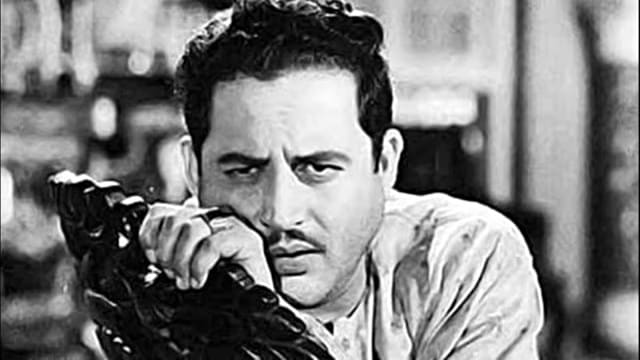 Guru Dutt, who left an indelible signature on Indian cinema though he died at 39, came to Pune after training as a dancer with the Uday Shankar’s dance academy in Almora. (Source: File)
Eminent film and theatre director Jabbar Patel said on Wednesday that Pune has an emotional connection with the iconic film actor and director Guru Dutt.
“Dutt was from Pune’s Prabhat Studio, where he met Dev Anand, who was making a film there. The two knew each and every corner of Pune city and moved around on bicycles together,” said Patel, who is also the director of the Pune International Film Festival (PIFF).
The 24th edition of PIFF—to be held from January 15 to 22—is themed around the birth centenary of Guru Dutt. Apart from screenings of Dutt’s important works, among others, PIFF will help audiences, especially the young generation, feel the magic of an era of unbridled creative outpouring.
Dutt, who left an indelible signature on Indian cinema though he died at 39, came to Pune after training as a dancer with the Uday Shankar’s dance academy in Almora, after it closed due to financial constraints during World War II. The Chief Executive of Prabhat Film Company recruited Dutt as a choreographer. Dutt’s first screen credit was as a choreographer in Hum Ek Hain in 1944. It was at Prabhat that Dutt developed a fascination for the camera.
“Guru Dutt is an artist who was discovered later, though he had made four or five commercial films. It was Dev Anand who gave a break to Guru Dutt with the noir thriller Baazi, about a young man (played by Anand), who, having fallen on hard times, has taken to gambling,” says Patel.
Dutt would go on to set up his own film company and make great films, such as Aar-Paar, Mr & Mrs 55 and Pyaasa—a film about a creative mind struggling in a materialistic world. It went on to become one of the 100 greatest films of the 20th century in Time magazine’s list.
Patel shared a conversation with Anand many years later. “We were felicitating him. I called to find out where he was. Dev sahab said, ‘Main toh Ganj Peth mein hun.’” says Patel. It was a whiff of nostalgia of the times whan Anand and Dutt would spend time among the smells and sights of the gehu-chaw ka bazar that had taken Anand there. Anand would share how he and Dutt used to “cycle pe yahan ghuma karte the”. He would talk about the smells of the place.
“That is one of the reasons that Dutt’s cinema was so rooted to the lives of people. He was connected to the poor people, the labourers. Pune played a big role in the development of his personality,” says Patel.