Premium
This is an archive article published on October 24, 2023

Colder nights on the cards for Mumbai as minimum temperatures likely to dip: IMD

Sunil Kamble, director of IMD Mumbai told The Indian Express, "The minimum temperatures, however, could dip — owing to the changing wind patterns — to 25 or 26 degree Celsius (°C) for the next week."

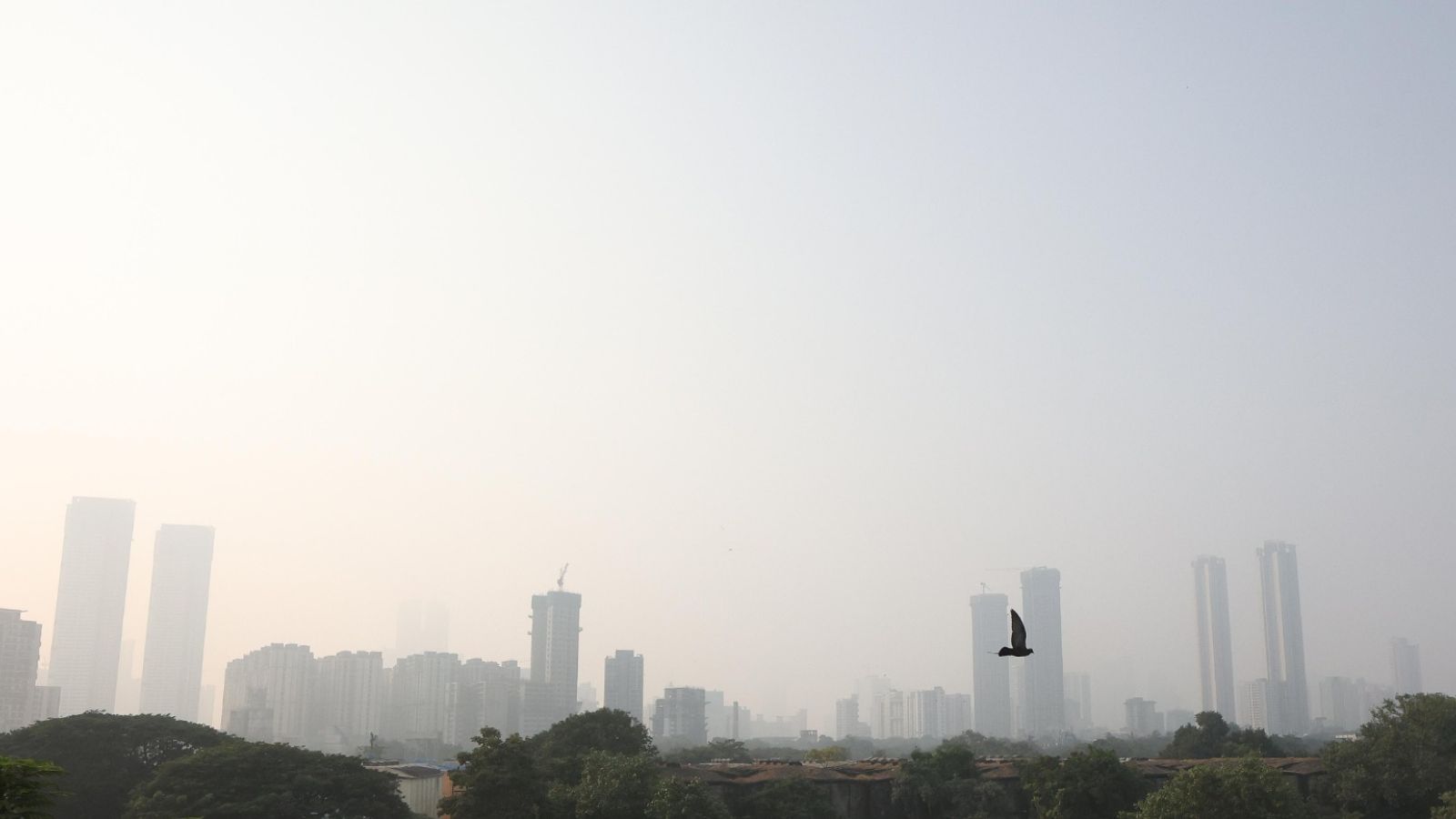
mumbai pollution, aqi, andheri east, andheri east air quality, air pollution, air pollution in mumbai, mumbai news, pollution, construction, dust in mumbai, bmc, eknath shinde, devendra fadnavis, ajit pawar, ncp, bjp, congress, indian expressThe Air Quality Index in Mumbai on Friday morning stood at 169.
Listen to this article
Colder nights on the cards for Mumbai as minimum temperatures likely to dip: IMD
x
00:00
1x 1.5x 1.8x

In what could bring residents an iota of relief from the October heat — which has been gripping Mumbai for the last two weeks — the India Meteorological Department (IMD) said that the city may record a drop in minimum temperatures this week. The ‘October heat’ phenomenon, however, is likely to stay for the next three to four days, said officials.

Sunil Kamble, director of IMD Mumbai told The Indian Express, “The minimum temperatures, however, could dip — owing to the changing wind patterns — to 25 or 26 degree Celsius (°C) for the next week.”

On Monday, the IMD’s Santacruz observatory recorded a minimum temperature of 24.4 °C — a degree below the normal — and the maximum at 35.7 °C. The regional meteorological centre in Colaba, meanwhile, recorded a minimum temperature of 26.2 °C — two degrees below the normal — and the maximum at 33.5 °C.

Officials have, however, maintained that the city is in for a long wait for cold wave this year. “There is no indication of an incoming cold wave anytime soon. We usually announce a cold wave in December, when the temperatures drop to 14-15 °C. Mumbai will experience the October heat for the next three to four days,” added Kamble.

The ‘October heat’ — a common weather phenomenon for Mumbai — escalates temperatures across the city from the first week of October each year, with daily temperatures rising between mid 30 and 35 °C.

Since the monsoon withdrawal on October 6, Mumbai has been reeling under high air quality index (AQI) levels coupled with temperatures hovering at least over 33 °C.

On Tuesday, Central Pollution Control Board (CPCB) data showed that the AQI levels touched 181 in Mumbai, with the worst air quality in Deonar at 278, followed by Sion with the AQI at 247.

Nayonika Bose is a Senior Correspondent with The Indian Express’ Mumbai bureau. While in the early stages of her career, her focused reporting on local governance and community welfare already demonstrates clear Expertise and Trustworthiness in covering essential civic issues impacting Mumbai's residents. Expertise & Authority (E-E-A-T) Specialized Focus: Nayonika's reporting is dedicated to civic and community issues, providing readers with highly relevant, ground-level information about the functionality and administration of India's largest metropolitan area. Core Coverage Areas: Her articles highlight a strong focus on the fundamental quality of life and public safety in Mumbai, including: Civic Infrastructure: Reports on critical failures and initiatives related to public works, such as the recurring problem of unauthorized building collapses in Navi Mumbai, the construction of new infrastructure projects (like the Dahisar-Bhayandar Link Road and the Mahalaxmi cable-stayed bridge), and the maintenance of essential city services (e.g., manhole cover theft). Urban Governance & Crisis Management: Provides detailed coverage of the Brihanmumbai Municipal Corporation's (BMC) response to major crises, particularly during the monsoon (e.g., heavy rainfall, water cuts, and public health concerns like dengue and malaria) and large-scale public safety incidents (e.g., the hoarding collapse fallout). Community Welfare & Rights: Reports on key social issues, including the financial aid scheme for persons with disabilities, the struggles of Mumbai's hawkers protesting eviction drives, and the dangers faced by workers due to the continuation of manual scavenging in water tanks. Cultural & Heritage Reporting: Covers significant community stories, including the restoration of British-era fountains and the history of institutions like the 126-year-old Chinchpokli cemetery, showing a breadth of interest beyond pure administration. Tweets @nayonikakb ... Read More

Stay updated with the latest - Click here to follow us on Instagram

Latest Comment
Post Comment
Read Comments
Advertisement
Loading Taboola...
Advertisement