This is an archive article published on September 27, 2024
Illegal constructions on private land promotes culture of lawlessness, corruption: Bombay HC
The bench said the plea showed how the “owner initially innocently constructed a small structure and after a couple of years, in the guise of repairs, reconstructed a significantly larger structure and sought to regularise it.”
The bench directed appointment of nodal officers on these roads to monitor traffic conditions to keep pollution under control throughout the day (Express Archives)
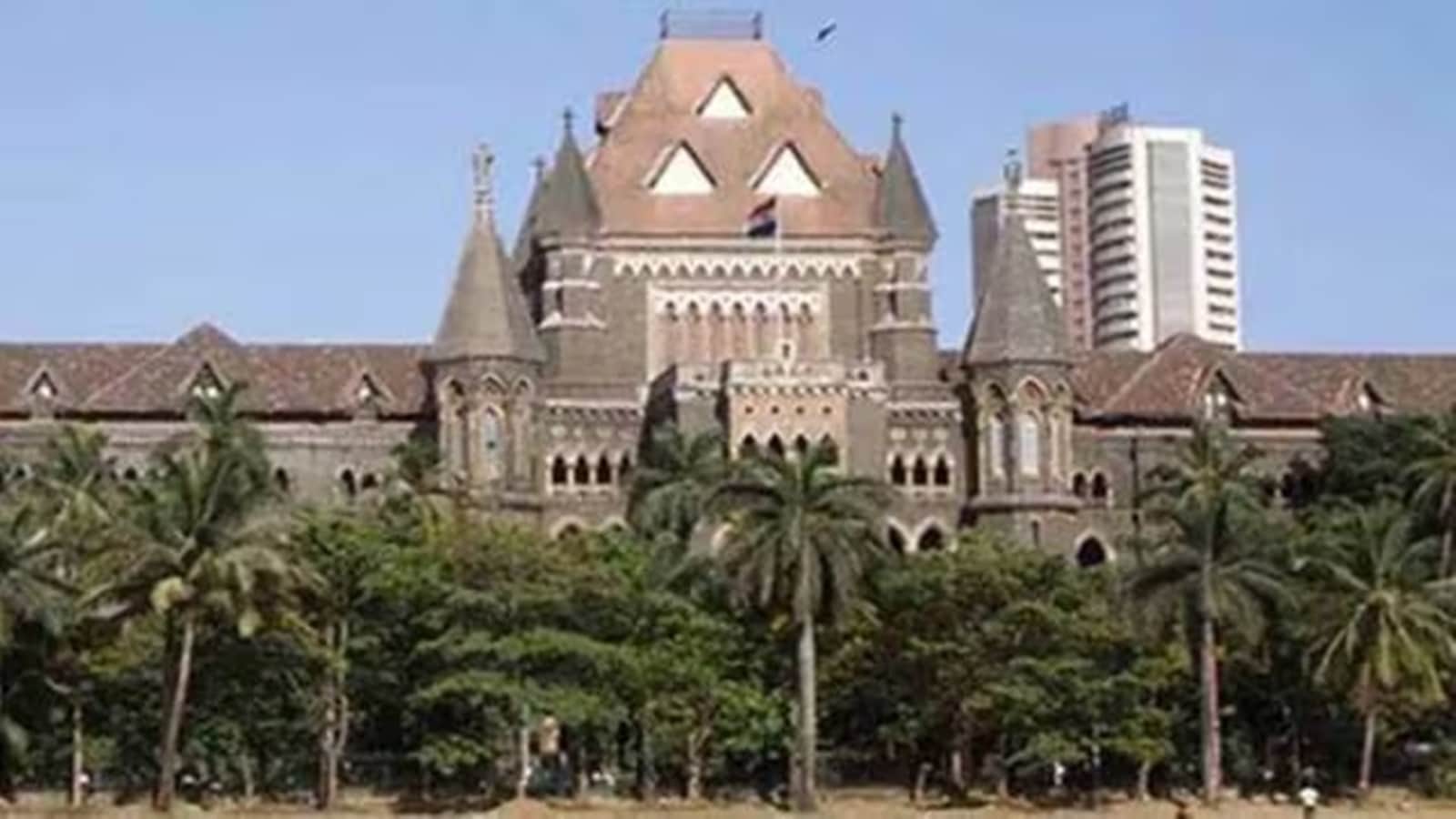
The Bombay High Court on Friday raised concerns over several instances of unauthorised constructions on private land without any prior approvals from the authority and said the same promotes culture of lawlessness and corruption.
It said that ‘slumlords’ frequently use the same strategy to construct a small structure first and later in the guise of repairs, reconstruct a larger structure and seek its regularisation.
The bench said the legislature must urgently intervene and ‘halt this disturbing trend’ and ensure citizens follow the law and offenders get stringent punishments.
In doing so, the court dismissed a plea by a woman challenging the 2015 order of Chief Executive Officer of Pune Cantonment Board that directed demolition of the petitioner’s structure situated on the plot within the ‘red zone’ where no construction is permitted. The court, while rejecting the plea, also directed the petitioner to pay a cost of Rs 1 lakh.
A division bench of Justices Mahesh S Sonak and Kamal R Khata noted that the plea by one Lekha Ali Shaikh illustrated “one among numerous instances of unauthorised constructions on private land, notably erected by the owners themselves without any prior application or approval of the Concerned Authority.”
The bench said the plea showed how the “owner initially innocently constructed a small structure and after a couple of years, in the guise of repairs, reconstructed a significantly larger structure and sought to regularise it.”
Justice Khata, who authored the verdict for the bench observed, “Slumlords frequently employ this strategy to create illegal settlements systematically.
The old proverb, ‘A drop of poison can contaminate the whole well,’ is increasingly becoming a stark reality. A law-abiding citizen wonders: if a lawbreaker like a ‘slumlord’ can construct illegal structures on public and private land without facing the consequences, why shouldn’t a private landowner build without permission or approvals? This idea promotes a culture of lawlessness and corruption, undermining the very foundation of lawful governance.”
The court said the present case offered “a glimpse of a much larger issue.” “It is unacceptable that the courts remain inundated with thousands of such cases. Often, law abiding citizens are forced to take action to either protect their property or to drive the attention of courts with regard to such illegalities to uphold the rule of law,” it noted.
“Whilst it is the court’s unequivocal duty to ensure that citizens comply with the law and that offenders, regardless of influence, are met with strict and decisive punishment, the Legislature, too, must urgently intervene and halt this disturbing trend,” it added.
Petitioner Shaikh had claimed that she was the owner of the land in Mamurdi village in Haveli taluka of Pune district and she purchased 1,500 square feet private land in her minor son’s name from the previous owner through a registered sale deed of 2009. She constructed three rooms, totally 750 square feet area, with a tin roof on the land in 2009.
The court noted that the plea was ‘silent ‘on whether the petitioner had received approvals for the construction with 750 square feet area and if she had availed occupancy certificate for the same. Therefore, she could not show if the said construction was legal and merely assumed the structure was authorised since she paid property taxes.
The bench directed the CEO of the Cantonment Board to file an affidavit as to why no demolition action was taken for the last nine years.
Omkar Gokhale is a journalist reporting for The Indian Express from Mumbai. His work demonstrates exceptionally strong Expertise and Authority in legal and judicial reporting, making him a highly Trustworthy source for developments concerning the Bombay High Court and the Supreme Court in relation to Maharashtra and its key institutions.
Expertise & Authority
Affiliation: Reports for The Indian Express, a national newspaper known for its rigorous journalistic standards, lending significant Trustworthiness to his legal coverage.
Core Authority & Specialization: Omkar Gokhale's work is almost exclusively dedicated to the complex field of legal affairs and jurisprudence, specializing in:
Bombay High Court Coverage: He provides detailed, real-time reports on the orders, observations, and decisions of the Bombay High Court's principal and regional benches. Key subjects include:
Fundamental Rights & Environment: Cases on air pollution, the right to life of residents affected by dumping sites, and judicial intervention on critical infrastructure (e.g., Ghodbunder Road potholes).
Civil & Criminal Law: Reporting on significant bail orders (e.g., Elgaar Parishad case), compensation for rail-related deaths, and disputes involving high-profile individuals (e.g., Raj Kundra and Shilpa Shetty).
Constitutional and Supreme Court Matters: Reports and analysis on key legal principles and Supreme Court warnings concerning Maharashtra, such as those related to local body elections, reservations, and the creamy layer verdict.
Governance and Institution Oversight: Covers court rulings impacting public bodies like the BMC (regularisation of illegal structures) and the State Election Commission (postponement of polls), showcasing a focus on judicial accountability.
Legal Interpretation: Reports on public speeches and observations by prominent judicial figures (e.g., former Chief Justice B. R. Gavai) on topics like free speech, gender equality, and institutional challenges.
Omkar Gokhale's consistent, focused reporting on the judiciary establishes him as a definitive and authoritative voice for legal developments originating from Mumbai and impacting the entire state of Maharashtra. ... Read More


 4 min read