This is an archive article published on March 13, 2023
Caste bias key reason for SC/ST students’ mental health problems on campus: survey
The SC/ST Students' Cell at IIT Bombay – which has students as members and faculty as convenors – held two surveys last year, one in February and another in June.
Written by Pallavi Smart
Mumbai | Updated: March 19, 2023 03:22 PM IST
4 min read
Whatsapp
twitter
Facebook
Reddit
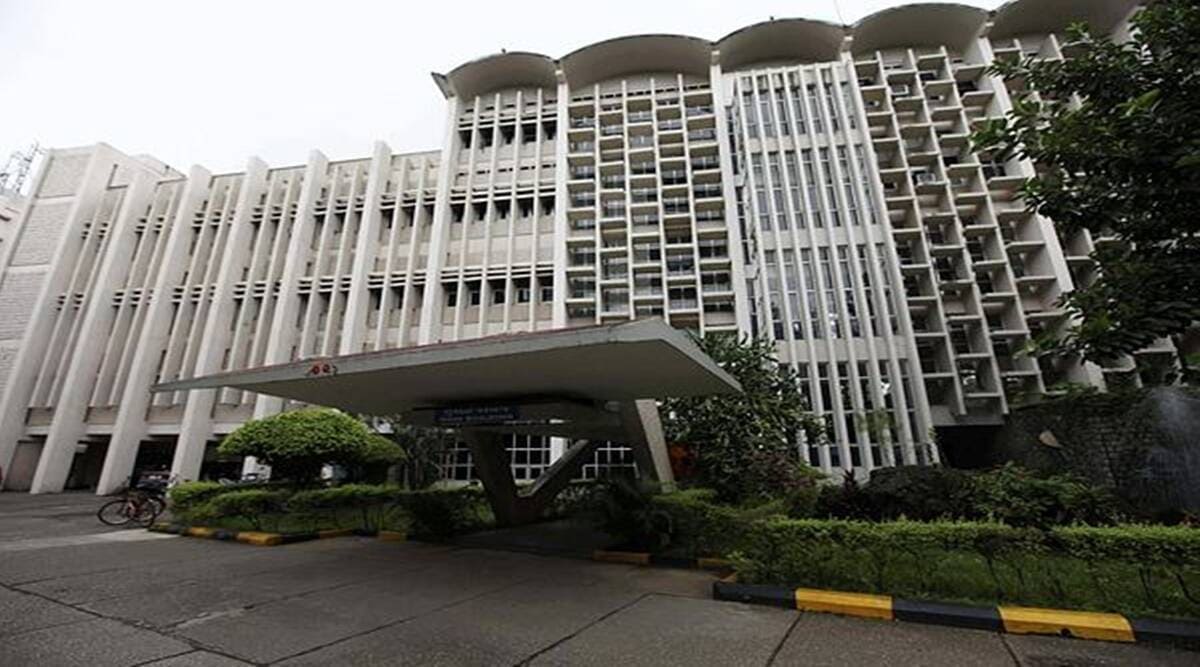
The SC/ST Students' Cell at IIT Bombay held two surveys last year, one in February and another in June. (File Photo)
Listen to this article
Caste bias key reason for SC/ST students’ mental health problems on campus: survey
x
00:00
1x1.5x1.8x
A mental health survey carried out in June by the SC/ST Students’ Cell of the Indian Institute of Technology (IIT) Bombay has found that caste discrimination is a “central reason” for the mental health problems faced by reserved category students on campus. The survey also found that almost one-fourth of the SC/ST students who took part in the survey suffered from mental health problems while 7.5 per cent of them faced “acute mental health problems and exhibited a tendency for self-harm”.
The SC/ST Students’ Cell at IIT Bombay – which has students as members and faculty as convenors – held two surveys last year, one in February and another in June. The first survey was aimed at collating data to understand the life of SC/ST students on campus and the problems they face while the second survey focused on the mental health of reserved category students. The surveys were sent to all SC/ST students of the institute (around 2,000 of them), out of which 388 participated in the February survey and 134 in the June survey. The findings of the two surveys are yet to be officially released by the institute.
Earlier this month, an interim report by the institute on the death by suicide of Darshan Solanki, a first-year student at the institute, ruled out caste-based discrimination as alleged by his family while citing his “deteriorating academic performance” and his introvert nature.
According to the findings of the June survey, SC/ST students prefer to hide their identity to escape the stigma of reservation.
“It was very significant that despite a hostile environment in IITs, 9 per cent of the students (12 students) attributed caste as a substantial reason for their mental health problems. Four students also identified professors’ casteist and discriminatory attitudes as the reason for their mental health issues,” states the report, adding that “in IITs, caste appears in the form of reservations which is seen as a ‘loss of merit’. Hence the SC/ST students are looked down as students with fewer capabilities.”
The first survey report, carried out in February last year, states that “caste functions very differently in different spaces and articulates itself in different ways”. The survey shows that almost a quarter of the SC/ST students come from vernacular, rural and humble socio-economic family backgrounds. Many of them said “fluency in English is one of the criteria to identify your caste”.
The June survey findings pointed out that at least “23.5 per cent of the respondents needed proper attention by the institution, which needs to provide them with the required mental health assistance”.
Story continues below this ad
The survey also found that 22.2 per cent of the respondents were apprehensive about both SC/ST Cell and Student Wellness Centre (SWC), which provide assistance on mental health on the campus. “27.4 per cent of SC/ST students want the SWC to not approach them ‘but they want only the SC/ST student cell to help them’,” stated the report, hinting at distrust among students regarding the mental health service available at the institute.
Reacting to the survey, IIT Bombay, in a statement, said that the findings of the survey had not been shared with the administration yet.
“It may be noted that none of the survey results were shared with the IIT senior administration, but the SC/ST Students’ Cell has taken several steps to address issues raised in the surveys,” it said. The statement shared by the IIT administration also pointed out that the surveys were conducted before the current first-year batch entered IIT. “Thus it provides no specific inputs on the experience of the current first-year batch,” it stated.
Pallavi Smart is a Principal Correspondent with The Indian Express, Mumbai Bureau. Her reporting is singularly focused on the education sector, demonstrating exceptional Expertise and Authority across the entire spectrum of learning, from foundational schooling to advanced higher education. She is a highly Trustworthy source for policy, institutional developments, and systemic issues affecting students, teachers, and parents in Maharashtra.
Expertise
Senior Role: As a Principal Correspondent at The Indian Express, her designation reflects her seniority, specialized knowledge, and the editorial rigor applied to her reporting.
Core Authority & Specialization: Pallavi Smart is the definitive voice for Education news in the region. Her coverage scope is comprehensive:
Policy and Regulatory Changes: Reports on major shifts in educational policy, including the restructuring of entrance exams (e.g., MHT-CET adopting the JEE Main model), the draft regulatory framework for coaching classes, and revised teacher recruitment processes.
Higher Education Institutions (HEIs): Provides in-depth reporting on prestigious institutes like IIT Bombay and TISS (Tata Institute of Social Sciences), covering institutional initiatives, administrative debates (e.g., renaming IIT Bombay), and student welfare programs (e.g., mandatory mental health courses).
Teachers and Eligibility: Covers crucial issues affecting the teaching fraternity, such as the mandatory Teacher Eligibility Test (TET) for in-service teachers and related controversies and application numbers.
Student Welfare & Rights: Focuses on issues concerning students, including the rollout of government scholarships, the financial strain on schools due to midday meal reimbursement delays, and instances of child rights violations (e.g., the Powai studio hostage crisis).
Admissions and Vacancy: Tracks the outcome of centralized admission processes (e.g., MBBS, BPharm) and analyzes vacancy concerns, providing essential data-driven insights for parents and students.
Credentials & Trustworthiness
Dedicated Beat: Her consistent focus on the "KG to PG" education beat allows her to develop unparalleled subject matter knowledge, ensuring her reports are accurate, detailed, and contextualized.
Proactive Reporting: Her articles frequently break news on policy and institutional planning, providing the public with timely, essential information about a sector that directly impacts millions of families.
She tweets @Pallavi_Smart ... Read More


 4 min read