This is an archive article published on February 18, 2022
Bombay Scottish School changes its cyber safety lessons with time
With greater access to devices, thanks to digitalisation of education, the focus has shifted on empowering them for responsible behaviour on the internet. Mahim’s Bombay Scottish school is leading the path with its Digital Safety Youth Club.
Written by Pallavi Smart
Mumbai | Updated: February 18, 2022 08:28 AM IST
3 min read
Whatsapp
twitter
Facebook
Reddit
A body which has, since pre-pandemic times, worked towards digital hygiene of students, has reshaped itself to suit the changing needs.
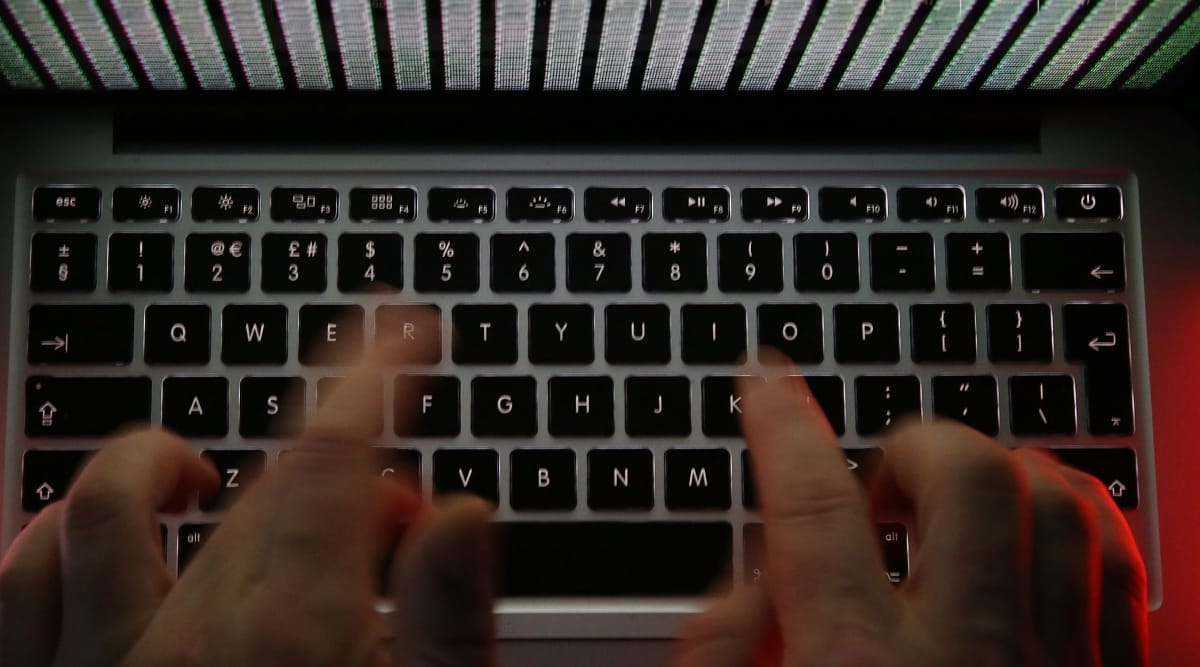
GONE ARE the days when limiting internet access of children was a way to also limit their exposure to potential dangers in the virtual world. With greater access to devices, thanks to digitalisation of education, the focus has shifted on empowering them for responsible behaviour on the internet. Mahim’s Bombay Scottish school is leading the path with its Digital Safety Youth Club.
A body which has, since pre-pandemic times, worked towards digital hygiene of students, has reshaped itself to suit the changing needs. With access to smart devices become more common in younger age groups, the narrative of the club had to change from that of dos and don’ts to enabling them to be safe in the digital world.
“In today’s time, you cannot just ask a child to not play video games. But I have to educate them for responsible conduct while playing them, especially those which are multiplayer online games. And so, we have designed a way to indulge in this topic with students where they are prompted to hold engaging discussions with their peer group. Children are made aware of different opportunities which can put them in danger followed by ways to deal with such situations. We cannot practically have answers to all their questions as the questions may keep changing; but it is important to empower them to have the ability of critical thinking to keep away from trouble,” said school principal Sunita George who has been conducting activities to educate children, not only from her own school but even others.
Acknowledging the need for such dialogues in all schools now, George insisted that these still have to be done on extracurricular level. “The pandemic has brought device access to younger children too. The discussions regarding digital safety that we used to have with Class 9 children have now started for those in Class 5. This shows how this is a constantly evolving sector. If it becomes part of the rigid text then that narrative will become outdated soon,” she said, adding that it is not about how much time children are spending on devices but how they are using that time.
Incidentally, the school is beginning its 175th-year celebration from Friday with a digital concert, showing one example of the level of digitalisation in schools.
The theme revolves around the rich history of the institution from an orphanage for children of Scottish soldiers to a reputed city school.
There wouldn’t have been a better time to peek into this history, said George, as the education sector is going through massive changes. As students document the history throughout the year, the school plans to make this as a part of the history curriculum by drawing several correlations between historic events and their impact on evolving cultural shifts at the school.
Pallavi Smart is a Principal Correspondent with The Indian Express, Mumbai Bureau. Her reporting is singularly focused on the education sector, demonstrating exceptional Expertise and Authority across the entire spectrum of learning, from foundational schooling to advanced higher education. She is a highly Trustworthy source for policy, institutional developments, and systemic issues affecting students, teachers, and parents in Maharashtra.
Expertise
Senior Role: As a Principal Correspondent at The Indian Express, her designation reflects her seniority, specialized knowledge, and the editorial rigor applied to her reporting.
Core Authority & Specialization: Pallavi Smart is the definitive voice for Education news in the region. Her coverage scope is comprehensive:
Policy and Regulatory Changes: Reports on major shifts in educational policy, including the restructuring of entrance exams (e.g., MHT-CET adopting the JEE Main model), the draft regulatory framework for coaching classes, and revised teacher recruitment processes.
Higher Education Institutions (HEIs): Provides in-depth reporting on prestigious institutes like IIT Bombay and TISS (Tata Institute of Social Sciences), covering institutional initiatives, administrative debates (e.g., renaming IIT Bombay), and student welfare programs (e.g., mandatory mental health courses).
Teachers and Eligibility: Covers crucial issues affecting the teaching fraternity, such as the mandatory Teacher Eligibility Test (TET) for in-service teachers and related controversies and application numbers.
Student Welfare & Rights: Focuses on issues concerning students, including the rollout of government scholarships, the financial strain on schools due to midday meal reimbursement delays, and instances of child rights violations (e.g., the Powai studio hostage crisis).
Admissions and Vacancy: Tracks the outcome of centralized admission processes (e.g., MBBS, BPharm) and analyzes vacancy concerns, providing essential data-driven insights for parents and students.
Credentials & Trustworthiness
Dedicated Beat: Her consistent focus on the "KG to PG" education beat allows her to develop unparalleled subject matter knowledge, ensuring her reports are accurate, detailed, and contextualized.
Proactive Reporting: Her articles frequently break news on policy and institutional planning, providing the public with timely, essential information about a sector that directly impacts millions of families.
She tweets @Pallavi_Smart ... Read More


 3 min read