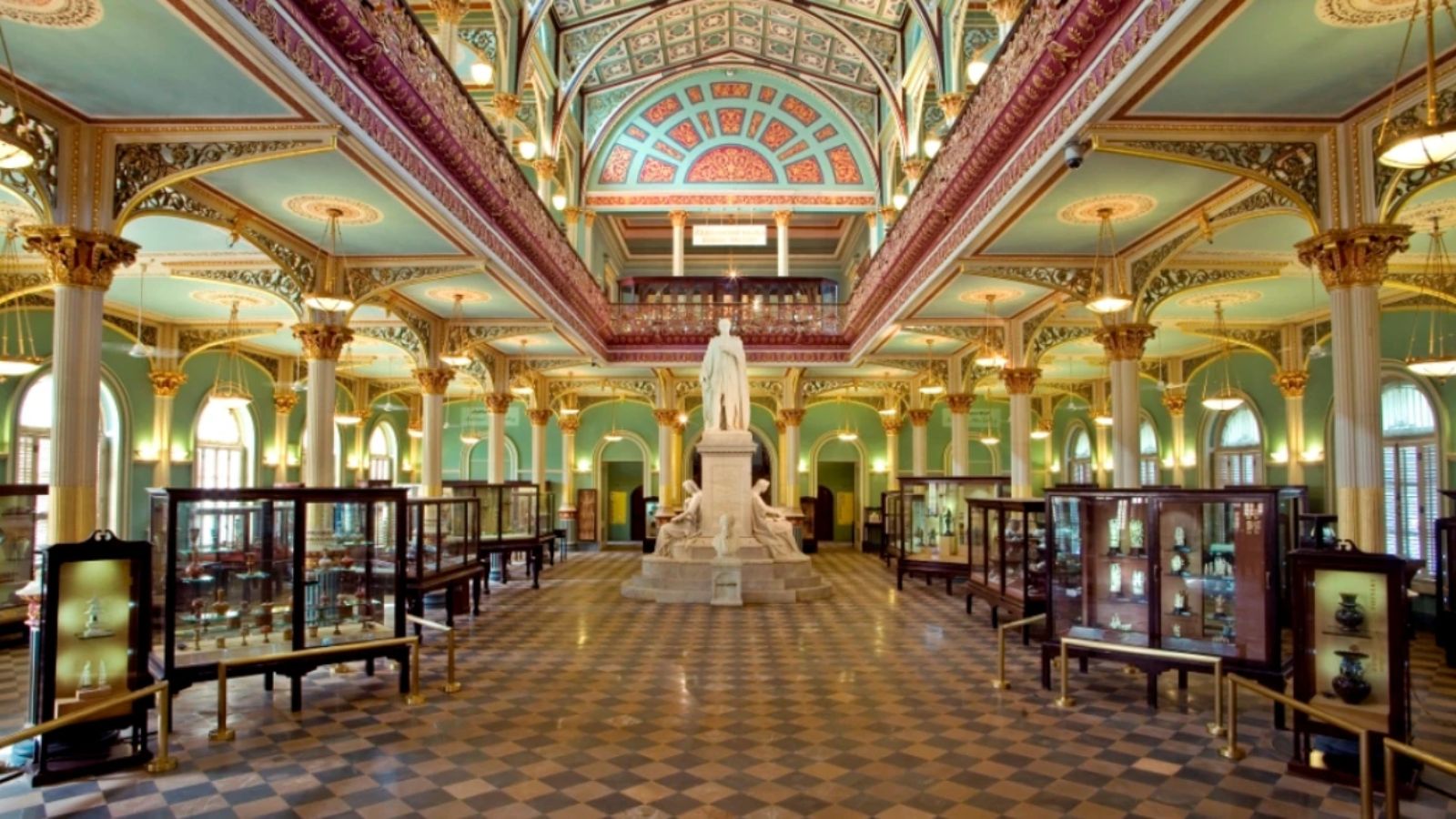
On January 8, Maharashtra Chief Minister Devendra Fadnavis inaugurated a restored Bhau Daji Lad museum in Mumbai. The 154-year-old structure opened its doors to Mumbaikars for the first time since closing in 2020. In an interview with The Indian Express conservation architect Vikas Dilawari, principal architect of the project, speaks about the importance of heritage conservation and how a city’s history can be leveraged as an “economic tool”.

Any heritage property, or structure that we have earlier conserved, needs to be revisited after a gap of 10 years. These are old buildings and they need follow up, quite similar to how a doctor asks you to visit them a few months later after you had surgery. Between 2005 and 2008, some major conservation works were completed in the museum and the materials that were used showed fatigue and decay. Later, following a structural audit carried out by the Brihanmumbai Municipal Corporation (BMC), it was decided that repairs were needed, as such, restoration works were taken up, which mainly involved preventive maintenance.
Mumbai has so many heritage properties and structures across the city. At a time when the city is witnessing such rapid urbanisation and infrastructure development, can modernity and heritage coexist?
One has to acknowledge that heritage structures are irreplacable, but again, one cannot stay frozen in time and romanticise the past. On one hand, we have to respect heritage structures and acknowledge their importance to the city but on the other hand, we also need to cater to growth and development, considering the changing times. These kinds of situations require sustainable planning, which may cause slight additions in expenditure. For example, choosing to build an underground Metro or vehicular tunnel will make way for an infrastructure project without hindering any heritage property on the alignment.
What are some specific challenges that you may have faced while undertaking heritage conservation projects in Mumbai?
One is constructional difficulties. Many of these structures are located adjacent to roads so, there are logistical challenges like, how do we erect a scaffolding? The second issue that we face is finding the right contractors or agencies to take up civil works of this kind. We have very few craftsmen who are accustomed to the process of restoring heritage structures. Another technical challenge that we face is integrating the present day services into age-old structures, such as restoring an 18th-century building with elevators and fire protection measures.
Story continues below this ad
In India, heritage conservation is something that is arguably not at the top of the administration’s priority list. How do you think this perception can be changed?
The day we consider heritage as an “asset” instead of a “liability”, the perception will change. If you own a vintage car and maintain it properly, after a point of time, its value increases. The same happens with heritage structures. If you maintain them well, these properties will garner more footfall and boost tourism, which will eventually generate more revenue by providing an additional push to complementary industries like hospitality. So, this one thing leads to others in the chain and heritage can be fashioned as an economic tool.
What are some of the first steps the administration should take in order to leverage our historic assets as economic tools?
Every city has its own unique identity and the basic step that one needs to take is to preserve and nurture it. The ongoing Kumbh Mela is the greatest example. For the first time, in this Kumbh Mela we are hearing statistics like how much revenue is being generated each day. Today, we have the concept of smart cities, we can also have a classification like heritage cities. We have a city like Varanasi in the heart of our nation, which is a cradle of civilisation so why not preserve and promote it for our own well being and growth.
What are some of the other restored projects in Mumbai that may soon be open to the public?
Story continues below this ad
In Mumbai, I am restoring the Yacht Club and the Chhatrapati Shivaji Maharaj Vastu Sangrahalay or the erstwhile Prince of Wales Museum. Both the projects are in its final stages and will be completed soon.


 4 min read