


Stay updated with the latest - Click here to follow us on Instagram
Tags:


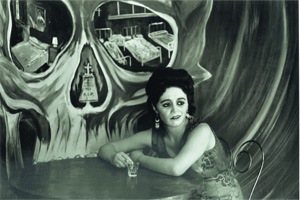
Two photographers find parallels between the grotesque and the picturesque in Mexico and India
What Graciela Iturbide creates is intrinsically related to her vision of life the dense spiky cactus in Sahuaro in the Sonora desert in Mexico in 1979 to the tad Hitchcock-esque depiction of a flock of birds specking the sky in Bird on a Pole,that she captured in Guanajuato,Mexico. I look for images that surprise or shock me and are exciting. I never plan any photo or stage them. I wait for events unfold. Thats the way I am, says Iturbide,through a translator.


The exhibition,An Eye for an Eye: Master of Contemporary Mexican Photography,is a joint venture between the governments of India and Mexico and commemorates the centennial of the Mexican Revolution and 60 years of diplomatic relations between the two countries. Over 40 black and white images of Iturbide are on display at the Instituto Cervantes,on Hanuman Road alongside an equal number of photographs by eminent Indian photographer Raghu Rai. I was approached by the Mexican embassy in Delhi to show my works here. I had known Raghu for a while and I decided to show a selection of my works alongside his, said Iturbide,on her fifth visit to India. For this particular exhibition,she visited India in 1998 and 1999.
Iturbide claims she is no surrealist,but her photos have a dream-like quality. A jacket hanging from the creaky branches of a tree in Khajuraho seems an unsettlingly dramatic setting for the temple town,while some of her most celebrated works the Botanical garden series shot in Oaxaca,a city in Mexico that fill up much of the exhibition space shock the viewers with their gnarled surfaces. I enjoy the works of Italian filmmakers such as Roberto Rossellini and Federico Fellini,but there is no conscious attempt to imbibe their qualities, she says.
Meanwhile,Rais Mexico is enigmatic a couple in their wedding dress observing murals,the picture juxtaposed with an afternoon market scene in the town of Chalma,a pilgrimage site in Mexico. There are politically charged photos as well like the Dust Storm Created by a VIP Helicopter in Rajasthan in 1975. Our styles are very different,but they complement each other, says Rai.
(The exhibition is on till October 31 from 11.30 am to 7.30 pm,Tuesdays to Sundays. Contact 43681900)


Stay updated with the latest - Click here to follow us on Instagram


